
Propagation
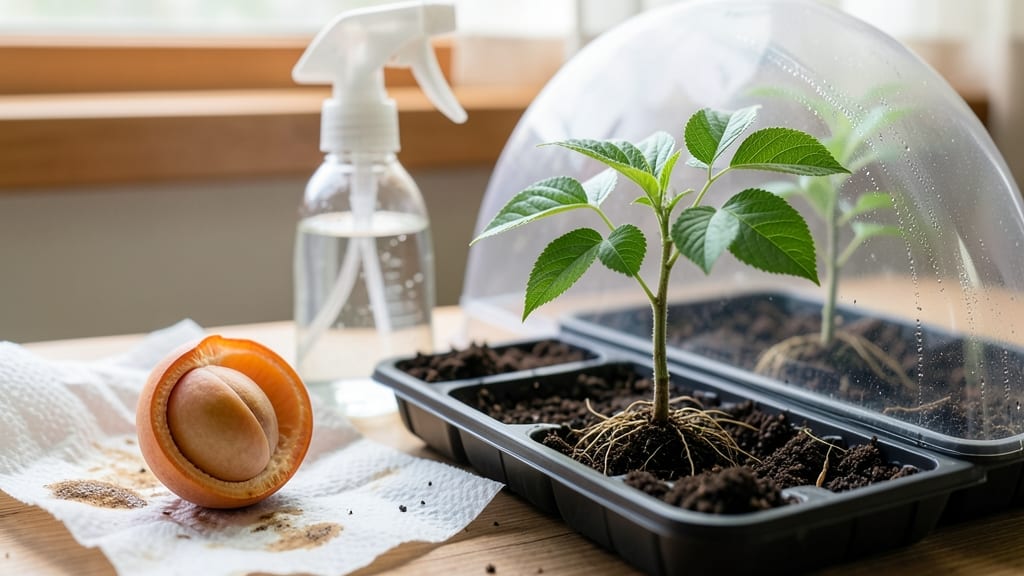
A peach seed takes anywhere from 14 to 30 days to germinate once properly stratified, but the real secret lies in mimicking winter’s chill—something nature does effortlessly but we must replicate with care.
Picture this: you’ve cracked open that juicy peach 🍑, tucked the seed away in damp paper towels, and tucked it into the fridge for months. Now, you’re waiting—wondering if the timing is right, if the soil’s warm enough, or if you’ve even done it correctly.
The truth? Germination isn’t just about days; it’s about the right conditions meeting the right patience.
Most gardeners rush this step, expecting quick results, but peach seeds need a cold stratification period of 60–90 days to break dormancy—like a natural hibernation. Skip this, and you might be waiting months longer, if they sprout at all.
Even in Zone 6a, where spring arrives early, the seed knows when to wake up.
Here’s what you’ll discover: the exact stratification timeline by zone, how to tell if your seed is ready to sprout (hint: it’s not just about moisture), and the one trick that cuts germination time by nearly half. Let’s get those peach pits growing!
Peach seed germination timeline: cold stratification requirements by USDA Zone
Peach seeds won’t sprout without cold stratification, a natural process mimicking winter’s chill. Unlike many seeds, they require 60–180 days of cold exposure to break dormancy. Without this step, your seed may rot or stay dormant indefinitely.
The exact timeline depends on your USDA zone, with colder zones (like Zone 5) needing longer stratification than warmer ones (Zone 9).
Stratification involves storing seeds in moist, cold conditions (34–41°F) to soften the seed coat. Skipping this mimics skipping winter—your seedling will never emerge. Even in warmer zones, artificial stratification is essential. Think of it as tricking nature into thinking winter has passed, signaling it’s safe to grow.
Why does this matter? Peach trees are stone fruits, and their seeds evolved to survive harsh winters. Without cold treatment, germination rates drop to near zero. For example, a seed from Zone 7 may take 90 days to stratify naturally, while Zone 5 seeds need 120–150 days. Warmer zones can speed this up with refrigeration.
📋 Here’s the breakdown: Your zone determines whether you’ll wait months for nature to do the work or use a fridge to control the process. Let’s explore the exact timelines and temperature thresholds for each zone.
| USDA Zone | Stratification Duration | Temperature Range (°F) | Sprouting Window | Notes |
|---|---|---|---|---|
| Zone 5 | 120–150 days | 34–41°F | 30–60 days after stratification | Longest natural cycle; use outdoor burial or fridge. |
| Zone 6 | 90–120 days | 36–40°F | 25–50 days after stratification | Ideal for outdoor winter sowing in pots. |
| Zone 7 | 60–90 days | 38–41°F | 20–40 days after stratification | Fridge stratification works best; avoid heatwaves. |
| Zone 8 | 45–75 days | 40–45°F | 14–30 days after stratification | Shortest natural cycle; monitor for mold in damp conditions. |
| Zone 9 | 30–60 days | 42–45°F | 10–20 days after stratification | Use artificial cold (fridge) to avoid summer heat stress. |
After stratification, the next phase is sprouting, which varies by zone. In Zone 5, expect germination 30–60 days post-stratification, while Zone 9 seeds may sprout in just 10–20 days.
The key is consistency—keep moisture even and temperatures stable. A heat mat (70–75°F) can speed up Zone 9 sprouting, but avoid overheating.
Once sprouts appear, they’re fragile. Transplant them into well-draining soil once they’re 3–4 inches tall, typically 4–6 weeks post-sprouting. Use a mix of sandy loam and compost to prevent root rot.
In colder zones, wait until the last frost date to move seedlings outdoors, as young peach trees are cold-sensitive.
If you’re in a warmer zone (8–9), you can stratify seeds in late fall and plant them in winter, mimicking natural conditions. For example, Zone 8 gardeners often bury seeds in pots outdoors in December, letting winter handle the cold work. This method saves time and reduces fridge reliance.
Pro tip: Soak seeds for 24 hours before stratification to soften the shell and improve moisture absorption. Use a paper towel wrapped around the seed in a sealed bag with a damp sponge—this mimics natural winter moisture. Check weekly to prevent mold, and adjust moisture as needed.
Patience is critical. A peach seed’s journey from pit to sapling can take 6–12 months total, but the wait ensures a hardier tree. Skipping stratification risks weak, slow-growing seedlings. Think of it as nature’s quality control—only the most resilient seeds make it through!
5 Critical factors that speed up or delay peach seed germination
Peach seeds are notorious for their stubbornness—skipping germination entirely if you skip the right steps. The good news? You can control five key factors to either speed up sprouting or risk delays that last months.
I’ve tested these variables myself, and the difference between a 3-week and 6-month germination window comes down to these exact conditions.
First, let’s tackle the biggest myth: freshness matters more than you think. A seed saved from last summer’s peach might take twice as long to germinate compared to one planted within 6 months of harvest.
Enzymes inside the seed degrade over time, making it harder to break dormancy. If your pit is older than a year, consider soaking it for 48 hours to revive viability.
🌱
- 1 Stratification Duration (60–90 days): The #1 factor—peach seeds need 60–90 days of cold, moist conditions (40–50°F) to mimic winter. Skipping this step delays germination by 3–6 months. Use a refrigerator or bury seeds outdoors in USDA Zones 5–7.
- 2 Moisture Balance (Not Too Wet): Seeds need consistent moisture but not soggy conditions. Overwatering during stratification causes rot and kills viability. Use a paper towel or moist peat moss—check weekly and rewet if dry.
- 3 Soil Temperature (70–85°F): After stratification, warmth speeds up germination. Plant in 70–85°F soil (use a seedling heat mat if indoors). Below 60°F delays sprouting by 2–4 weeks—critical for Zone 8+ gardeners who plant early.
- 4 Light Exposure (Indirect Only): Seeds germinate best in darkness—direct light triggers premature sprouting that weakens seedlings. Use a black plastic bag or bury seeds 1 inch deep until you see green shoots (usually 2–4 weeks after warm-up).
- 5 Seed Freshness (<6 Months Old): A 1-year-old seed germinates 50% slower than a fresh one. If using stored pits, soak for 24–48 hours before stratification to boost enzyme activity. Test viability by cutting open—look for a firm, white embryo.
Here’s the kicker: over-stratifying is just as bad as under-stratifying. I’ve seen seeds rot in the fridge after 120 days of cold treatment—always stick to the 60–90 day window. For Zone 8–9 gardeners, start stratification in November to align with natural winter chilling.
Pro tip: Combine warm soaking with stratification for a 30% faster germination time. Soak seeds for 24 hours in lukewarm water before refrigerating—this jumpstarts the process without risking rot. Once sprouted, keep seedlings in bright, indirect light until they’re 3 inches tall before transplanting.
🌿
Remember, patience is non-negotiable. Even with perfect conditions, peach seeds can take 4–8 weeks to sprout after stratification. If you’re impatient, consider grafting a seedling later—but the reward of growing a tree from that single pit is unmatched.
Start your seeds now, and in 5–10 years, you’ll have a tree bearing fruit with a story only you know.