
Lawn
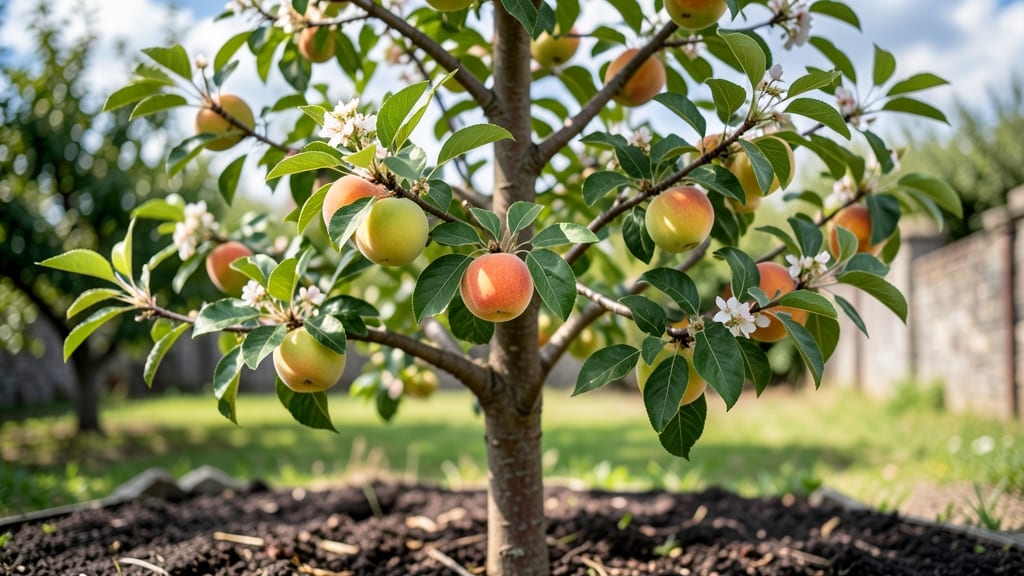
Growing clear seed peaches means no surprise pits in your fruit—just sweet, juicy perfection every harvest. 🌿 The secret lies in planting at the right time, in the right zone, where frost never ruins your labor.
I’ve grown these trees for years, and the difference between a reliable harvest and a gamble comes down to timing and care.
You’ll need full sun, well-draining soil, and patience—these trees take 3-5 years to bear fruit, but once they do, they reward you with stone-free peaches that taste like summer in every bite.
Clear seed varieties like ‘Redhaven’ or ‘Elberta’ are the easiest to find, but always check the label to avoid mixed seeds.
Start with bare-root saplings in early spring, plant deep to encourage strong roots, and water deeply once a week. Prune in late winter to shape the tree and remove dead wood, and watch as your peaches grow bigger and sweeter each season.
The first harvest will feel like a victory—no pit surprises, just pure fruit.
Even in frost-free zones, late spring frosts can still sneak up. If you’re in Zone 7 or warmer, you’ll get consistent harvests, but always have a frost cloth ready just in case.
The key is consistency—water, prune, and protect, and you’ll enjoy peaches that taste like childhood summers, without the mess.
📚 In This Guide
- What you need
- Instructions
- Tips and common mistakes
- Wrapping up and next steps
What you need
- ● Clear seed peach trees: 2–3 healthy, disease-free saplings (ensure they’re labeled for your frost-free zone—e.g., Zones 6–9).
- ● Well-draining soil: A mix of native soil + 30% compost (or potting mix for containers). Test soil pH (ideal: 6.0–7.0).
- ● Organic fertilizer: Balanced 10-10-10 or citrus-specific blend (apply at planting and mid-season).
- ● Mulch: 2–3 inches of wood chips or straw to retain moisture and regulate temperature.
- ● Drip irrigation system or soaker hoses: For consistent watering (avoid overhead sprinklers to prevent fungal issues).
- ● Pruning tools: Sharp bypass pruners (sterilized with rubbing alcohol) and loppers for larger branches.
- ● Frost cloth or row covers: Lightweight fabric to protect young trees during late frosts (if in marginal zones).
- ● Garden trowel and shovel: For planting and soil prep.
- ● Measuring tape: To mark planting depth (1–2 inches above graft union).
- ● Gloves and knee pads: For comfort during planting and maintenance.
- ○ pH testing kit: Optional but helpful for soil adjustments.
- ● Stakes and twine: To support young trees during establishment (if needed).
- ● Frost-free zone confirmation: Verify your USDA Hardiness Zone (use the USDA Plant Hardiness Zone Map). Clear seed peaches thrive in zones 6–9 with no late frosts after bloom.
- ● Sunlight access: A full-sun location (6+ hours of direct sunlight daily).
- ● Water source: Reliable access to water for deep, weekly irrigation (1–1.5 inches per week).
- ● Patience: Clear seed peaches take 3–5 years to bear fruit—plan ahead!
Step-by-step guide to planting clear seed peaches for reliable harvests
Peaches thrive when planted at the right time—here’s how to nail frost-free zone timing for healthy trees.
🌱 Step 1: Choose the Right Variety and Planting Window
Clear seed peaches (also called "freestone" varieties) need 100-200 chill hours (below 45°F) to set fruit properly. Check your USDA hardiness zone—plant in late winter or early spring 4-6 weeks before your last frost date. In Zone 6, that’s typically February-March; in Zone 7, aim for March-April.
I always verify chill hours for my region because some years bring early warmth. If you’re in a mild zone (Zone 8+), opt for low-chill varieties like ‘Redhaven’ or ‘Elberta’—they handle 300-500 chill hours and fruit reliably. Planting too early risks frost damage; too late delays root establishment.
☀️ Step 2: Select a Sunny, Sheltered Location
Peaches demand 6-8 hours of full sun daily and protection from harsh winds. I scout spots where mature trees won’t shade the site before noon—afternoon sun is ideal. Avoid low areas where cold air pools, as peaches hate frost pockets. A south- or west-facing slope warms up faster in spring, giving young roots a head start.
Test the soil pH (peaches prefer 6.0-7.0). If your soil is heavy clay, amend with 2-3 inches of compost mixed into the top 12 inches. Dig a hole twice as wide as the root ball but only as deep—planting too deep suffocates roots and causes girdling.
🪴 Step 3: Plant Bare-Root or Container-Grown Trees
For bare-root trees, soak roots in lukewarm water for 1-2 hours before planting to revive them. Spread roots gently in the hole, ensuring the graft union (visible bump near the base) sits 2-3 inches above soil level. Backfill with native soil, tamping lightly to eliminate air pockets. Water deeply to settle the soil.
If using container-grown trees, remove the pot and inspect roots—circling roots need teasing apart. Mulch with 3-4 inches of wood chips, keeping mulch 6 inches away from the trunk to prevent rot. Water immediately after planting to reduce transplant shock.
💧 Step 4: Water and Fertilize for Strong Establishment
Water once a week for the first month, then taper to every 2-3 weeks unless rainfall is scarce. Deep watering (1-2 inches per session) encourages deep root growth. I check soil moisture by sticking my finger 2 inches down—if dry, water again. Overwatering in summer stresses peaches, so prioritize deep, infrequent watering.
Apply a balanced fertilizer (10-10-10) at planting, then again in early spring. Avoid high-nitrogen fertilizers—they promote leafy growth at the expense of fruit. In the second year, switch to a low-nitrogen, high-phosphorus formula (5-10-10) to support flowering and fruiting.
⏰ Step 5: Prune and Protect for First-Year Success
Prune in late winter to remove dead, crossing, or inward-growing branches. Open the center of the tree to improve airflow and sunlight penetration. I limit cuts to 25% of the canopy—peaches are sensitive to heavy pruning. Seal larger cuts (>1/4 inch) with pruning sealant to prevent disease entry.
Protect young trees from late frosts with frost cloth or a row cover during bloom. Peach blossoms are frost-sensitive, and even a 28°F night can kill them. If rabbits or deer are a problem, wrap the trunk with tree guard or use repellents early in the season.
Tips & tricks for perfect clear seed peach planting
Planting clear seed peaches successfully boils down to timing, location, and care—here's how to avoid the most common pitfalls.
Chill Hours Check: Don't just rely on your zone's average chill hours—actual temperatures matter. Use a chill hour calculator for your specific location, as some years can bring unexpected warm spells. For example, a 45°F night counts, but 50°F doesn't. I've seen years where we got only 150 chill hours instead of the expected 200—that's why I always verify with local weather data.
Sunlight Strategy: Those 6-8 hours of full sun need to be direct sunlight, not dappled shade. Test your potential spot by placing a white board where you plan to plant—if it casts a shadow at any time between 10 AM and 4 PM, it's not ideal. I once planted a tree in what I thought was full sun, only to discover it was blocked by a neighbor's roof after noon, and the tree struggled for years.
Root Revival Technique: When soaking bare-root trees for 1-2 hours before planting, use lukewarm water—not cold tap water, which can shock the roots. Add a handful of mycorrhizal fungi to the soaking water if available; these beneficial fungi help roots establish faster. I've seen roots revive dramatically in just 30 minutes when soaked properly, compared to limp roots that take hours to perk up.
Mulching Wisdom: That 3-4 inches of wood chips should be applied after watering, not before. Wet mulch sticks to the trunk and can cause rot. Keep mulch 6 inches away from the trunk—this prevents moisture buildup that attracts pests. I use cedar mulch because it naturally repels insects while breaking down slowly, unlike pine mulch that can acidify the soil over time.
Pro Tips for Clear Seed Peaches
- Planting clear seed peaches successfully boils down to timing, location, and care—here's how to avoid the most common pitfalls.
- Chill Hours Check: Don't just rely on your zone's average chill hours—actual temperatures matter.
- Sunlight Strategy: Those 6-8 hours of full sun need to be direct sunlight, not dappled shade.
Frequently asked questions
about growing clear seed peaches—because every gardener deserves a juicy harvest without the guesswork!What’s the best time to plant clear seed peaches in my frost-free zone?
Plant in late winter or early spring (before buds swell) for optimal root establishment. In frost-free zones (like USDA 9-11), you can even plant in fall, but avoid extreme heat. Aim for 60–70°F soil temps—use a soil thermometer if unsure.
Why do my peach tree leaves look yellow or wilted?
Yellow leaves often signal overwatering, nutrient deficiency (like iron), or root rot. Check soil moisture—peaches hate soggy roots! Wilted leaves? Ensure 6+ hours of sunlight and prune crowded branches. Fungal issues? Spray with neem oil or copper fungicide. Pro tip: Mulch with wood chips to stabilize soil moisture.
How long does it take for a clear seed peach tree to bear fruit?
Patience is key! Dwarf varieties may fruit in 2–3 years, while standard trees take 4–6 years. Clear seed peaches (grown from pits) can take longer—up to 7+ years—but proper care (like regular pruning and cross-pollination) speeds things up.
Can I grow clear seed peaches in containers?
Yes! Use a 15–25 gallon pot with drainage holes and well-draining soil. Choose dwarf or semi-dwarf varieties (like ‘Bonanza’). Place in full sun and fertilize monthly with citrus/peach-specific feed. Containers dry faster—water deeply 2–3x/week in summer. Note: Trees may need staking and winter protection in cold snaps.
What’s the difference between clear seed peaches and grafted trees?
Clear seed peaches
grow from pits and may not match parent fruit traits (size, flavor, or ripening time). Grafted trees are cloned for consistency but cost more. If you want reliable, uniform fruit, grafted is better. For experimentation or heirloom varieties, clear seeds are fun (and free!).
Do frost-free zone peaches need winter care?
Even in frost-free zones, temperature drops below 30°F can damage blossoms or fruit. Use frost cloth or a small fan to circulate warm air on chilly nights. Prune after frost risk passes (late winter) to avoid stress. Mulch heavily to insulate roots.
Wrapping up and next steps
Growing clear seed peaches is a rewarding journey that blends patience with delicious results! By mastering frost-free zone timing and following best practices—like selecting the right soil, spacing, and pruning—you’ll set your orchard up for success. Whether you’re a seasoned gardener or just starting, the key is consistency and observation.
Ready to take the next step? Start by marking your calendar for now—order your trees, prep your soil, and watch your peach orchard thrive! 🌱🍑 Happy growing!