
Plants
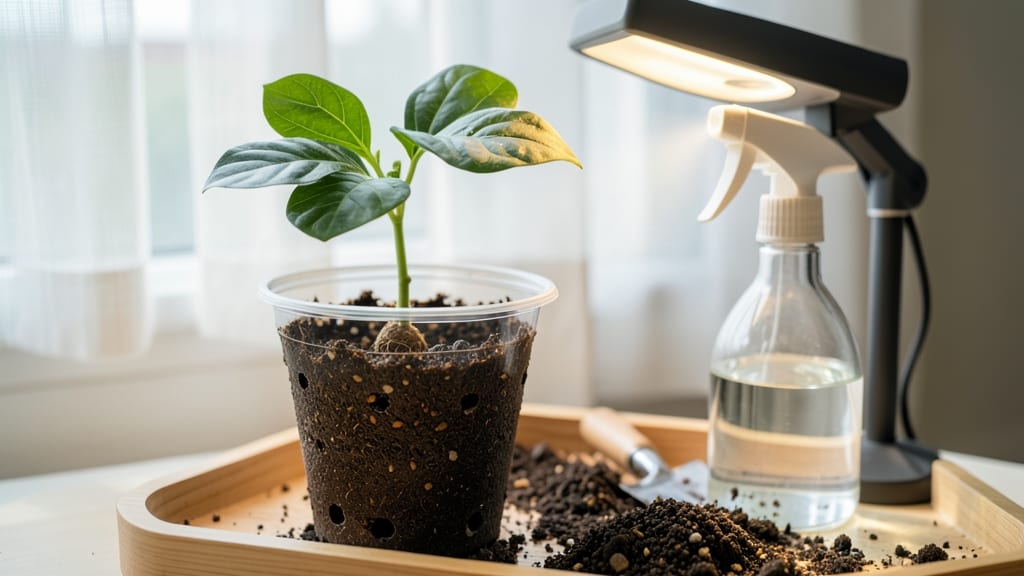
To plant your avocado seed in soil at the perfect time means waiting until roots are 2-3 inches long and the seedling shows signs of strength—too soon, and you risk stunted growth.
Picture this: your seed has sprouted roots in water, but now you’re staring at a delicate stem and wondering, "Am I ready to move it to soil?" The answer depends on your climate zone and whether you’re keeping it indoors or outdoors.
In Zone 6 and colder, aim for late spring after the last frost—typically May—when soil temperatures warm up. Warmer zones can plant as early as March, but the key is always root health, not just the calendar.
Below, I’ll break down the exact timing by zone, plus how to tell when your 🥑 avocado seedling is truly ready for soil—no guesswork involved.
Best months to plant avocado seeds by USDA climate zones (with root growth timeline)
Timing your avocado seed planting is critical for strong root development. In USDA Zones 8-11, where avocados thrive, the ideal window depends on soil temperature and root growth stages.
Plant too early, and roots may rot; too late, and your seedling could struggle in heat. Let’s break it down by zone for perfect timing.
Avocado seeds germinate best when soil temperatures reach 65-75°F. In warmer zones, this happens naturally in late winter or early spring. In cooler microclimates within Zone 8, you may need to start seeds indoors in February before transplanting outdoors.
Each zone has a unique root growth timeline—typically 4-8 weeks from planting to transplant readiness.
🌱 Comparison Table: Best Planting Months by USDA Zone
| USDA Zone | Best Planting Months | Soil Temp Requirement | Root Growth Timeline |
|---|---|---|---|
| Zone 8 (Coastal/Temperate) | March–April (outdoor) or February (indoor start) | 65–75°F | 6–8 weeks to transplant |
| Zone 9 (Subtropical) | February–March | 70–80°F | 4–6 weeks to transplant |
| Zone 10 (Tropical) | January–February | 75–85°F | 3–5 weeks to transplant |
| Zone 11 (Year-Round Warm) | Any month (avoid peak summer heat) | 80–90°F | 2–4 weeks to transplant |
In Zone 8, coastal areas like San Diego or Santa Barbara can plant outdoors as early as March, while inland areas should wait until April to avoid late frost risks.
Monitor soil temperature with a probe—if it’s below 65°F, delay planting. For Zone 9, February is ideal, as soil warms quickly in subtropical climates like Los Angeles or Phoenix.
For Zone 10 and 11, timing is flexible, but avoid peak summer months (June–August) when soil can dry out too quickly. In Zone 11, you can plant year-round, but January–February offers the best balance of moisture and warmth.
If planting in summer, use shade cloth to protect young roots from intense heat stress.
Root growth accelerates in warmer zones. In Zone 11, roots may reach 2–3 inches in just 2–4 weeks, while Zone 8 seedlings take 6–8 weeks.
This difference is due to higher soil temperatures and longer daylight hours in tropical climates. Always check for 2–3 inches of roots before transplanting to ensure stability.
If you’re in a transition zone (e.g., Zone 8b with cooler microclimates), start seeds indoors in February and transplant outdoors in late April. Use a grow light to supplement 6+ hours of sunlight daily until soil warms.
This method mimics the natural germination cycle of avocado seeds in their native tropical habitats.
Pro tip: Pre-warm your soil in cooler zones by covering garden beds with black plastic for 1–2 weeks before planting. This raises soil temperature by 5–10°F, creating optimal conditions for root development.
Combine this with well-draining soil (sandy loam) to prevent root rot, a common issue in Zone 8.
Once your seedling has 2–3 inches of roots and 2–3 leaves, it’s ready for soil. In Zone 10–11, this happens quickly—often by March—while Zone 8 seedlings may not be ready until May.
Always harden off seedlings by placing them outdoors for 2–3 hours daily before full transplanting to avoid transplant shock.
Climate affects germination speed too. In Zone 11, seeds may sprout in 1–2 weeks, while Zone 8 seeds can take 3–4 weeks. Patience is key—don’t rush the process.
If your seed hasn’t sprouted in 4 weeks, it may need warmer conditions or a soaking treatment (soak in water for 24 hours before replanting).
For
How to prepare your avocado seed for soil planting (step-by-step prep for strong roots)
Preparing your avocado seed for soil planting is the foundation of a healthy tree. Skipping these steps can lead to weak roots, poor growth, or even seedling failure. The key is patience—your seed needs time to develop strong roots before facing real soil.
Start by letting the seed dry for 2-3 days after cleaning to prevent rot, then transition it to water for root growth. This process mimics natural conditions and gives your seedling a fighting chance in the ground.
Once your seed sprouts roots in water, the next critical step is choosing the right soil mix. Avocado seedlings thrive in well-draining, slightly acidic soil (pH 6.0-7.0). A blend of sandy loam with perlite or coconut coir works best to prevent waterlogging.
Avoid garden soil alone—it can compact and suffocate young roots. For indoor starters, a 4-inch pot with drainage holes is ideal to prevent root rot.
Step-by-Step Prep for Planting Your Avocado Seed
-
Step 1: Clean and Dry the Seed
Rinse the seed to remove pulp, then let it dry for 2-3 days in a warm, shaded spot. This prevents mold and prepares it for root growth.
-
Step 2: Start Root Growth in Water
Place the seed in a glass of water with 1-2 inches submerged. Change the water every 2-3 days to prevent bacteria. Roots should appear in 2-6 weeks.
-
Step 3: Choose the Right Soil Mix
Use a blend of 60% potting soil, 30% perlite, and 10% compost. This ensures aeration and drainage while retaining moisture.
-
Step 4: Plant When Roots Are 2-3 Inches Long
Wait until roots reach 2-3 inches before planting. This signals the seedling is ready for soil. Bury the seed halfway, leaving the top exposed.
-
Step 5: Water Lightly and Place in Bright Indirect Light
Water the soil until moist but not soggy. Place the pot in bright indirect light for 1-2 weeks to acclimate before moving to full sun.
Avoid common mistakes like overwatering or using contaminated soil. Overwatering can drown the seedling, while dirty soil may introduce pathogens. Always sterilize your pot and soil mix with a 10-minute bake at 200°F if repurposing containers.
For outdoor planting, wait until the last frost date in your zone—typically May in Zone 8 or later in cooler climates.
Monitor your seedling’s progress closely. If roots grow slower than expected, check water quality (use filtered or rainwater) and ensure the seed isn’t sitting in stagnant water. Once your avocado seedling shows new leaves and a sturdy stem, it’s ready for its permanent home in soil.
With these steps, you’ll give your seedling the best start for a lifelong tree.
Pro tip: Label your pot with the planting date. Tracking growth helps you adjust care as the seasons change—critical for long-term success with avocado seedlings. 🌱