
Companion Plants
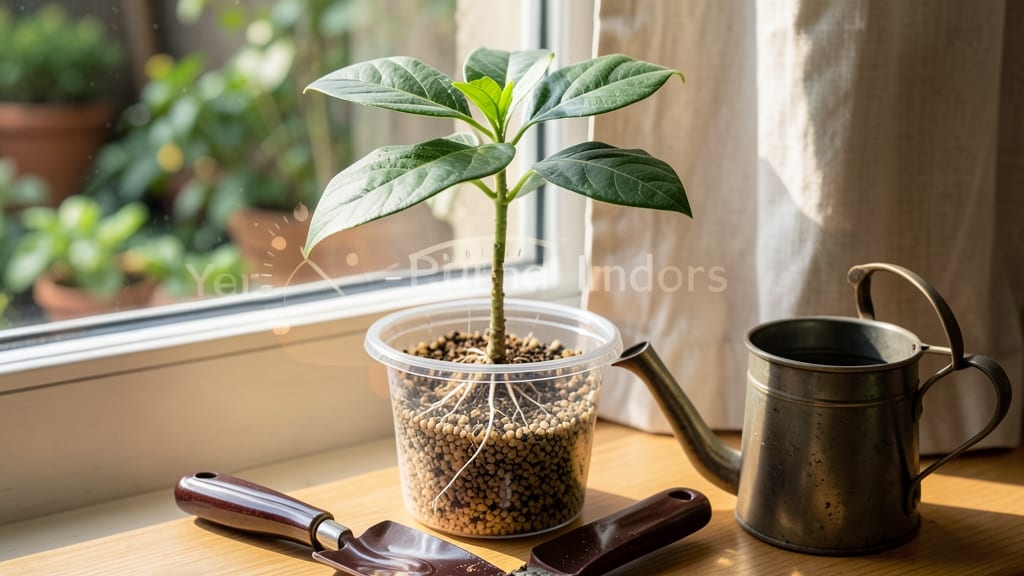
Planting your avocado seed in soil at the right time is the key to a thriving 🥑 tree—too soon and you risk rot, too late and growth stalls.
If you’ve ever watched a seedling wilt after its first dip into dirt, you know how critical timing is. The good news? With the right climate cues, you can avoid that heartbreak and set your seedling up for success.
For most of the U.S., the ideal window is late spring after the last frost, when soil temperatures hit 65°F and stay there. But whether you’re in Zone 6a or a warmer region, the signs your seedling is ready are the same.
Below, I’ll walk you through the exact growth milestones to watch for, soil prep tips, and how to transition your seedling from water to dirt without stress. No guesswork—just a foolproof plan for your future tree.
Optimal soil planting time for avocado seeds by USDA hardiness zones
Avocado seeds thrive when moved to soil at the right moment—too soon and they rot, too late and growth stalls. The perfect window depends on your USDA hardiness zone and local climate. For Zones 7-11, timing varies dramatically, from early spring in Florida to late spring in Southern California.
Let’s break down the ideal soil-planting timeline for each zone, including temperature thresholds and seasonal cues to watch.
Most avocado seedlings start indoors in water (a classic method), but transitioning to soil requires specific conditions. The key is waiting until your seedling shows 3-4 healthy leaves and a 1-inch root system. This typically happens 6-12 weeks after germination, but timing shifts based on your zone.
For example, Florida gardeners can plant outdoors as early as February, while Zone 10 coastal areas like San Diego may wait until March to avoid cooler coastal winds.
Here’s how to match your zone to the best planting window, including regional variations like California’s Mediterranean climate versus Florida’s humid subtropical conditions.
In Zone 7, where frost lingers until April, I recommend waiting until soil temperatures exceed 60°F and nighttime lows stay above 50°F. Use a soil thermometer to monitor—avocado roots struggle below 55°F.
For Zone 8-10, focus on daytime highs rather than frost dates, as avocados prefer warmth over cold avoidance. For example, in Zone 9’s Los Angeles, the coastal breeze can drop temps unexpectedly, so plant after March 15 when fog patterns stabilize.
Regional quirks matter: Florida’s humid subtropical climate allows earlier planting (as early as February in Zone 8), but fungal diseases like root rot are a risk. I’ve found success using well-draining sandy loam mixed with perlite to combat this.
Meanwhile, California’s Mediterranean climate (Zone 9-10) demands mulching to retain moisture during dry summers—skip this in Florida, where excess moisture is the bigger threat.
For Zone 11, the rules relax dramatically. Tropical climates like Hawaii or Puerto Rico let you plant year-round, but I still recommend transplanting when seedlings hit 1 foot tall to ensure root strength. Even in warm zones, salt spray near coasts
How to tell your avocado seedling is ready for soil (key growth signs)
Your avocado seedling’s transition from water to soil is a delicate moment—one wrong move, and you risk stunted growth or even death. The secret to success lies in watching for three key growth milestones that signal readiness.
These signs prove your seedling has developed the root strength and leaf structure to thrive in dirt, not just water.
First, focus on the root system. Healthy roots should fill the container or glass you’ve been growing in, with white, fibrous roots extending at least 3–4 inches long.
If you can see roots circling the bottom, that’s a clear sign your seedling is root-bound and craving more space in soil. Ignore this cue, and you risk root strangulation, which weakens the plant.
Next, examine the stem. A ready seedling will have a thick, woody stem that stands upright on its own—no more flopping over like a weak stalk.
If you gently press the stem and it springs back instead of bending, your seedling has developed the structural support needed to handle soil’s resistance. This usually happens when the stem reaches about ¼-inch in diameter.
Don’t overlook the leaves, either. Your seedling should have 2–3 mature leaves that are 2–3 inches long and a vibrant, glossy green. These leaves indicate the seedling has completed its photosynthetic transition from relying on stored seed energy to producing its own food.
If leaves are yellowing or curling, hold off on planting—your seedling isn’t ready yet.
Environmental factors also play a role. If you’re growing indoors, your seedling should be adapted to bright light (like a south-facing window or grow light) for at least 4–6 weeks before soil planting.
Outdoors, wait until nighttime temperatures stay above 50°F—avocado seedlings are frost-sensitive and will bolt if shocked by cold. Test readiness by moving your seedling outside for a few hours each day; if it doesn’t wilt or drop leaves, it’s likely prepared for the full transition.
Finally, trust your touch test. Gently squeeze the soil around the roots—it should feel light and crumbly, not compact. If roots are easily pulled free without resistance, your seedling is ready for its new home.
Pro tip: Water the seedling 24 hours before planting to reduce transplant shock. This gives roots a chance to hydrate and plump up before the stress of soil transition.