
Size
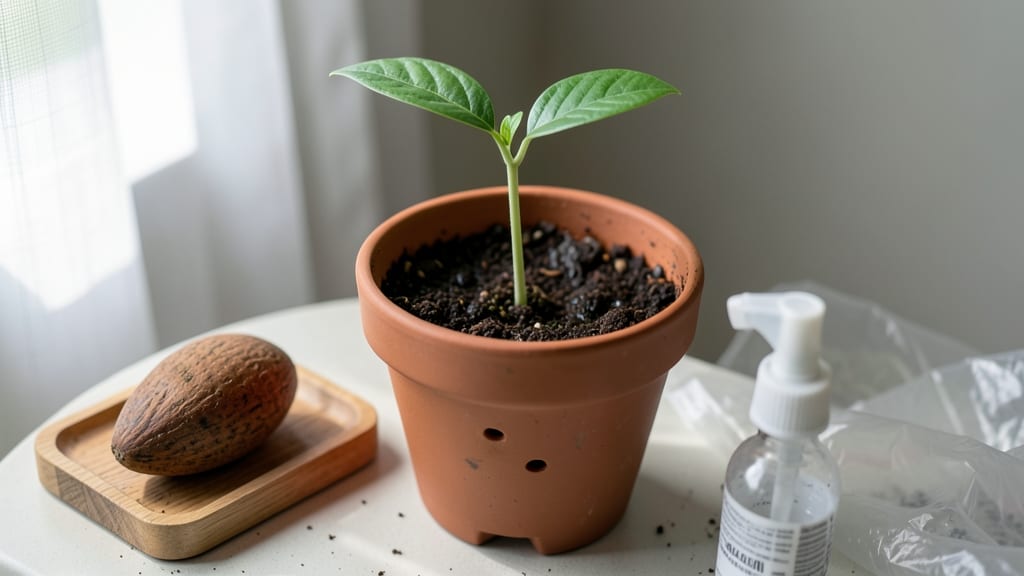
Growing an avocado seed in soil is easier than you think—especially when you start with the right toothpick method. 🌱 I’ve turned kitchen scraps into thriving houseplants, and this seedling will be your first step toward a lush, leafy friend.
The key is patience and a few simple tricks to avoid the most common pitfalls, like root rot or stunted growth. You’ll need just three things: a fresh avocado pit, a glass of water, and a sunny windowsill.
The toothpick method keeps the seed hydrated while roots grow, and once they’re long enough, you’ll transplant into soil. Most seeds sprout within 2-4 weeks, but don’t rush—slow growth is normal at first. By the time you’re pinching new leaves, you’ll have a 3-foot-tall plant that’s happy indoors.
It might never bear fruit (avocados need tropical climates for that), but the glossy foliage and tropical vibe make it a showstopper. The real magic? Watching roots stretch toward your glass before they’re ready for soil. This project works for kids, beginners, or anyone craving a low-maintenance green thumb boost.
Let’s get that pit growing!
📚 In This Guide
- What you need
- Instructions
- Tips and common mistakes
- Wrapping up and next steps
What you need
- ● Avocado seed: A fresh, firm seed from a ripe avocado (preferably Hass variety).
- ● Well-draining potting soil: A mix of peat-based or coconut coir soil (avoid heavy garden soil). Quantity: 1 small pot (6-8 inches in diameter) or enough to fill a seed-starting tray.
- ● Container with drainage holes: A 6-inch pot or a small nursery tray with drainage. Avoid plastic bags or sealed containers.
- ● Watering can or spray bottle: For gentle hydration (avoid overwatering).
- ● Toothpicks or chopsticks (3-4): To suspend the seed while it roots.
- ○ Rubbing alcohol (70% isopropyl) or bleach (diluted): To sterilize tools and containers (optional but recommended).
- ● Scissors or knife: For trimming toothpicks if needed.
- ● Rooting hormone: Speeds up root growth (apply to the base before planting).
- ● Grow lights or sunny windowsill: Ensures 6-8 hours of indirect light daily.
- ● Humidity dome or plastic wrap: Helps maintain moisture while roots establish.
- ● Fertilizer (balanced, water-soluble): Use sparingly (e.g., 5-5-5 NPK) once leaves appear.
- ● Moisture meter: Prevents over- or under-watering.
- ● Support stake or trellis: For stability as the plant grows taller.
Step-by-step instructions for growing an avocado seed in soil
Here's how I've grown healthy avocado seedlings—no fancy tools, just patience and the right technique.
🌱 Step 1: Prepare the Avocado Seed for Planting
Start with a fresh avocado pit—never one that's been dried out or frozen. I like to use the seed from a ripe, organic avocado for the best results. Rinse the pit under cool water to remove any remaining fruit, then pat it dry with a paper towel. This keeps mold at bay right from the start.
Next, insert 3-4 toothpicks evenly around the pit, about ½ inch from the top. These will suspend it over a glass of water. The toothpicks should be angled so the pit floats with the wider, flatter side facing down—this is where the roots will emerge. Place the glass in a warm spot (around 70°F) with indirect light.
💧 Step 2: Wait for Roots to Develop
Keep the water level consistent—just enough to cover the bottom ¼ inch of the pit. You'll see roots begin to sprout in 2-6 weeks, depending on the seed's freshness. I change the water every 3-4 days to prevent bacterial growth, using room-temperature water to avoid shocking the seed.
Once the roots reach about 2 inches long, that's your signal to move to soil. Longer roots mean the seedling is ready for the next phase. If the roots grow too long before planting, you can gently trim them to 1-2 inches to encourage stronger root development later.
🪴 Step 3: Plant the Seedling in Soil
Fill a small pot (at least 6 inches deep) with well-draining potting mix—avoid garden soil, which can compact and suffocate roots. I like to mix in a little perlite or sand to improve drainage. Make a hole in the center deep enough to bury about half of the pit, leaving the top half exposed.
Gently place the seedling into the hole, then firm the soil around it lightly. Water thoroughly until it drains from the bottom, then let it sit for 10-15 minutes before adding more soil if needed. The top of the pit should remain above soil level—this prevents rot and encourages the stem to sprout.
☀️ Step 4: Provide Ideal Growing Conditions
Place the pot in bright, indirect light—like an east-facing window—to avoid scorching young leaves. Avocado seedlings need 6-8 hours of light daily, but direct sun can be too intense at first. If you notice leaves yellowing or wilting, move the plant to a shadier spot immediately.
Water when the top 1 inch of soil feels dry, but avoid soggy conditions. Overwatering is the #1 killer of young avocado seedlings. I use a spray bottle for the first few weeks to keep the soil evenly moist without disturbing the delicate roots.
⏰ Step 5: Encourage Growth and Prune as Needed
Once the seedling sprouts (usually within 2-4 weeks after planting), you'll see two leaves appear first—these are the cotyledons. True leaves will follow shortly after. This is when I start fertilizing lightly with a balanced, water-soluble fertilizer (diluted to half strength) every 4-6 weeks.
If the seedling grows leggy (stretching toward the light), rotate the pot daily to promote even growth. When the stem reaches 6 inches tall, pinch off the top growth to encourage bushier growth. This step is crucial—it prevents the plant from becoming top-heavy and weak.
Tips & tricks for growing avocado seedlings
These practical insights help you avoid common pitfalls and maximize your seedling's potential from the very first step.
Seed Selection: For the best chance of success, choose seeds from organic avocados that are fully ripe but not overripe. The seed should feel heavy in your hand—this indicates it's fully developed. I've found Hass avocado seeds work particularly well because they're larger and more robust. Avoid seeds that feel light or hollow, as these often won't sprout roots.
Root Development Watch: During the 2-6 week root growth phase in Step 2, place your glass of water near a bright window but avoid direct sunlight. The roots need warmth (around 70°F) to develop properly, but too much light can cause the water to heat up and potentially harm the seed. If you notice the water getting warm to the touch, move the glass to a slightly cooler spot. The roots should grow downward naturally—if they start growing upward, gently guide them back down with a clean toothpick.
Soil Mixing Tip: When preparing your potting mix in Step 3, combine equal parts potting soil, perlite, and coarse sand for optimal drainage. This mix prevents waterlogging while still retaining enough moisture for young roots. I like to add a handful of worm castings to the mix for extra nutrients—it gives the seedling a gentle boost without overwhelming it. Make sure your pot has drainage holes, even if you're not planning to water heavily.
Light Transition Strategy: After planting your seedling, gradually introduce it to brighter light over 3-4 days rather than moving it directly to full sun. Start with a spot that gets morning sun and afternoon shade, then slowly increase the sunlight exposure. This helps prevent leaf scorch, which can happen when seedlings aren't acclimated to stronger light conditions. The 6-8 hours of light mentioned in Step 4 should be indirect light during the adjustment period.
Pro Tips for Grow An Avocado Seed In Soil
- These practical insights help you avoid common pitfalls and maximize your seedling's potential from the very first step.
- Seed Selection: For the best chance of success, choose seeds from organic avocados that are fully ripe but not overripe.
- Root Development Watch: During the 2-6 week root growth phase in Step 2, place your glass of water near a bright window but avoid direct sunlight.
Frequently asked questions
Got questions?
Growing an avocado seed isn’t rocket science, but it’s natural to have doubts along the way. Here are answers to the most common queries—so you can focus on nurturing your future avocado tree!
How long does it take for an avocado seed to sprout?
Patience is key! Most avocado seeds sprout within 2–6 weeks after planting, depending on temperature (ideal: 70–85°F) and moisture. If nothing happens after 8 weeks, gently check for rot or adjust your soil conditions. No sprouts yet? Stay consistent—some seeds take longer!
Will my avocado seed actually grow into a fruit-bearing tree?
Yes, but it’s a slow process! While your seedling can produce fruit, it may take 5–13 years to bear avocados—if it’s a variety like Hass or Fuerte. Many grown-from-seed trees are sterile or low-yielding, so consider grafting for better results. Still, the journey is rewarding!
Why is my avocado seed rotting in water?
Overwatering or poor drainage is the usual culprit. If your seed feels mushy, smells foul, or develops mold, it’s rotting. Fix it: Remove it from water, let it dry for a day, then replant in fresh, well-draining soil. Use a small container (like a jar with drainage holes) to avoid soggy roots.
Can I grow an avocado seed indoors year-round?
Avocado trees thrive indoors with bright, indirect light (a south-facing window or grow light). Keep temperatures between 60–80°F and mist leaves occasionally. Just watch for leggy growth—rotate the pot weekly and prune as needed to encourage bushiness.
What if my avocado seed won’t sprout at all?
Don’t lose hope! Try these fixes:
- Check viability: Tap the seed—if it sounds hollow, it’s dead. A solid thud means it’s alive!
- Warmth boost: Place the jar in a sunny spot or near a heater (not too hot!).
- Fresh start: If moldy, scrub the seed with soap and water, then replant.
Wrapping up and next steps
Growing an avocado seed in soil is a rewarding journey that combines patience, care, and a little creativity! 🌱 By following these steps—from selecting the right pit to nurturing your seedling—you’ll unlock the joy of watching a tiny seed transform into a thriving plant.
Whether you’re a beginner or a seasoned gardener, this process is a fun way to connect with nature and even enjoy homegrown avocados (if you’re in the right climate!).
Now that you’re armed with the knowledge, why not take the next step? Start with your avocado pit today, and in just a few months, you could be tending to your very own Persea americana sapling. Happy growing! 🌿