
Plants
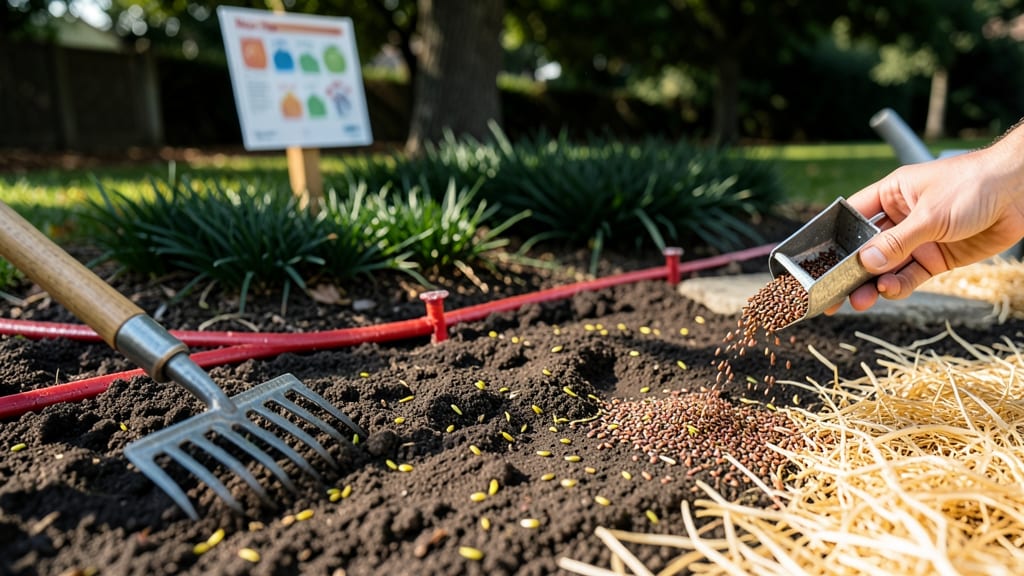
The best time to plant grass seed in Florida is late summer—between August and early October—when temperatures cool just enough for seeds to germinate before the rainy season arrives.
Florida’s scorching summers and unpredictable downpours can turn grass seeding into a high-stakes gamble. But timing it right—right before hurricane season—gives your grass the deep roots it needs to thrive when the monsoons hit.
This window isn’t just about avoiding the heat; it’s about leveraging Florida’s natural rhythm. The soil stays warm enough to encourage germination, while shorter days and higher humidity create ideal conditions for seedling growth. Plus, you’ll skip the spring rush when everyone else is fighting for supplies.
Below, I’ll walk you through the exact steps to prep your soil, choose the right grass type for your Florida microclimate, and keep your new lawn from washing away—or worse, baking under the sun.
Florida’s ideal grass seed planting window: late summer’s hidden advantages
If you’ve ever watched your grass seed wash away in a sudden Florida downpour or fry under the midday sun, you know timing is everything. The late summer window—specifically late August to early September— offers the perfect balance of warmth, moisture, and hurricane avoidance for grass seed to thrive.
This isn’t just luck; it’s science. The soil stays warm enough for germination while humidity levels rise naturally, reducing the need for constant irrigation. Plus, you dodge the worst of hurricane season, which peaks in September and October.
Most gardeners assume spring is the only viable option, but Florida’s microclimates—coastal humidity vs. inland dryness— demand a more strategic approach. Coastal areas benefit from sea breezes that moderate temperatures, while inland zones face higher heat stress.
By planting in late summer, you leverage cooler nights and higher rainfall to give seeds the consistent moisture they crave without drowning them. This window also allows roots to establish deeply before winter, making your lawn resilient against Florida’s unpredictable weather.
🌱
| Factor | Late Summer (Aug–Sep) Advantages | Coastal Florida | Inland Florida |
|---|---|---|---|
| Soil Temperature | Warm (80–85°F) for fast germination | Moderated by sea breezes | Can exceed 90°F—water more |
| Humidity | High (70–85%) reduces watering needs | Fungal risk—avoid evening watering | Lower humidity—water daily for 2 weeks |
| Rainfall | 3–5 inches/month—natural irrigation | Higher risk of overwatering | Less rain—supplement with drip irrigation |
| Hurricane Risk | Peak season starts late August—plant early | Salt spray damage—rinse lawn after storms | Lower risk but wind damage possible |
| Root Establishment | 6–8 weeks before cooler temps slow growth | Faster with consistent moisture | Slower—use mulch to retain heat |
One of the biggest myths about Florida grass seeding is that you must wait for spring. But late summer’s hidden advantages include soil temperatures that stay ideal for germination while daytime highs begin to ease.
In coastal areas like Miami or Fort Lauderdale, the ocean breeze keeps temperatures cooler than inland zones, creating a microclimate advantage.
Meanwhile, inland regions like Orlando or Tampa experience hotter, drier conditions, but planting in early September gives seeds time to establish before the first frost risk (yes, even Florida gets chilly in North zones!).
I’ve seen firsthand how Bahia grass and St. Augustine thrive when seeded in this window. The key is preparing your soil 2–3 weeks ahead—aerate, test pH (6.0–7.0 is ideal), and add compost to improve moisture retention.
Then, overseed in late August to catch the tail end of summer rains while avoiding the peak hurricane window. For inland areas, consider a light straw mulch to lock in moisture during the hotter days.
Another pro tip: Adjust your watering schedule based on your microclimate. Coastal areas may only need supplemental watering 2–3 times a week thanks to humidity, while inland zones might require daily watering for the first 2 weeks.
Use a rain gauge or smart sprinkler system to avoid overwatering, which can drown seeds or promote fungal growth. Aim for ½ inch of water daily until germination (about 7–14 days), then reduce to 2–3 times per week.
Don’t overlook the fertilization timeline either. Apply a starter fertilizer with phosphorus at planting to boost root growth, then switch to a slow-release nitrogen fertilizer 4–6 weeks later. This timing ensures your grass doesn’t burn in the heat
Critical pre-planting checklist: soil, seed variety, and rainy season prep
Before you even think about scattering that grass seed, Florida’s soil conditions and humidity levels demand your attention. The wrong prep can turn your dream lawn into a fungal hotspot or a dusty wasteland. Start by testing your soil pH—most Florida grasses thrive between 5.5 and 7.0.
If your soil tests higher or lower, amend it with sulfur or lime 4–6 weeks before planting to give the soil time to adjust.
Next, choose your grass seed variety based on your yard’s microclimate. Coastal areas benefit from St. Augustine grass (shade-tolerant but high-maintenance), while inland homes often prefer Bahia grass (drought-resistant) or Zoysia (low-maintenance but slow to establish). Each has trade-offs—like fungal susceptibility or recovery speed—that matter during Florida’s monsoon season.
Here’s the critical question: When is the best time to plant grass seed in Florida? The answer depends on balancing seed germination, root establishment, and rainy season timing. Planting too early risks heat stress; too late, and your grass won’t root deeply before the storms hit.
Best Time to Plant Grass Seed in Florida
✅ Late Summer (August–Early October)
- Pros: Warm soil, cooler air, ideal germination
- Pros: Avoids peak hurricane season
- Pros: Roots establish before winter
❌ Early Fall (October–November)
- Cons: Hurricane risk increases
- Cons: Soil may cool too quickly
- Cons: Limited growing window
✅ Spring (March–May)
- Pros: Second-best window for growth
- Pros: Avoids summer heat stress
- Pros: Longer daylight hours
❌ Summer (June–July)
- Cons: Extreme heat kills seeds
- Cons: High fungal risk
- Cons: Requires constant watering
Once you’ve nailed timing and soil, schedule your irrigation plan to outsmart Florida’s unpredictable weather. Water deeply in the early morning (6–9 AM) to reduce evaporation and fungal risks.
Use a rain gauge to track moisture—your goal is 1/2 inch of water daily for the first 2 weeks, then taper to every 2–3 days once seedlings appear. Avoid evening watering; it leaves grass blades damp overnight, inviting fungal diseases like brown patch.
Finally, consider a pre-emergent herbicide 2–3 weeks before planting to block weeds, but skip this if you’re seeding bare soil. Instead, apply a light mulch (straw or peat moss) to retain moisture and shield seeds from bird predation.
This step is non-negotiable in Florida’s windy conditions—seeds can blow away faster than you can say “hurricane watch.”
With soil prepped, the right seed, and a smart watering schedule, your Florida lawn will have the deep roots it needs to survive the rainy season. The key? Start early, stay consistent, and don’t let Florida’s weather dictate your timeline—outsmart it.