
Planting
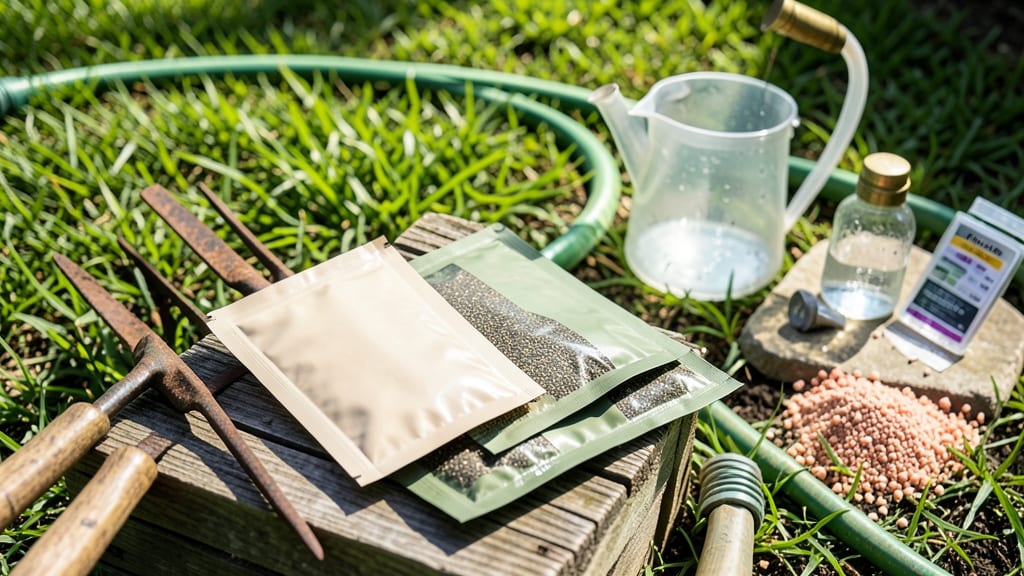
Planting grass seed in Florida at the right time means the difference between a thick, green lawn and a patchy, weed-infested mess 🌱 — and most gardeners get it wrong by waiting too late or planting in the heat.
Florida’s humid climate and unpredictable rain showers make timing your grass seed planting a critical factor in achieving a lush, weed-free lawn—so why do so many homeowners still guess wrong?
Whether you’re in North Florida’s cooler 9a zones or South Florida’s tropical 11, the key is planting when soil temperatures hit that sweet spot of 65-75°F—usually late spring or early fall.
Below, I break down the exact months to plant by region, how to prep soil for Florida’s heavy clay, and the one trick that saves new grass from drowning in summer downpours.
Best months to plant grass seed in Florida by soil temperature
Florida’s warm climate might make you think grass seed can be planted anytime, but soil temperature is the real game-changer for germination success. Most grass seeds need 60–75°F soil temps to sprout consistently—too hot or too cold, and you’ll waste seed or invite fungal diseases.
The key? Planting when air and soil temps align with your grass type’s needs, whether it’s warm-season (like Bermuda) or cool-season (like ryegrass).
Here’s the catch: Florida’s three distinct zones—North, Central, and South— experience temperature shifts at different times. North Florida’s cooler winters and Central Florida’s transitional climate mean late winter/early spring planting works there, while South Florida’s year-round warmth favors late summer/early fall.
Let’s break it down by zone and month to avoid common mistakes like heat stress or seed rot.
Pro Tip: Use a soil thermometer (just $10 at garden centers) to check temps 2–3 inches deep—this is the zone where seeds germinate. Morning is the best time to test, as temps fluctuate less then.
| Zone | Best Months | Soil Temp Range (°F) | Grass Types | Risks to Avoid |
|---|---|---|---|---|
| North Florida | Late March–Early May | 65–75°F | Tall Fescue, Ryegrass, Centipede | Fungal diseases (high humidity) |
| Central Florida | April–Early June | 70–78°F | St. Augustine, Zoysia, Bahia | Heat stress (above 85°F) |
| South Florida | August–September | 75–80°F | Bermuda, Centipede, St. Augustine | Weed competition (summer weeds) |
| All Zones | October–November | 60–70°F | Cool-season mixes | Drought if no rain |
North Florida’s cooler winters (think Jacksonville or Gainesville) mean you can plant cool-season grasses like ryegrass as early as late February, but wait until March–April for warm-season types. The soil warms slowly here, so rushing seeds in February risks slow germination or fungal issues from lingering dampness.
Central Florida—Orlando, Tampa, and Ocala—offers a 6-week window (April–May) where soil temps hover in the 70–78°F sweet spot. This is prime time for St. Augustine grass, but avoid planting after early June—soil can spike to 85°F+, causing seeds to bake before sprouting.
Even shade-loving Bahia grass struggles in these conditions.
South Florida’s year-round warmth (Miami, Fort Myers, Naples) shifts the ideal window to late summer (August–September).
Here, Bermuda grass thrives when planted in 75–80°F soil, but avoid June—the heaviest rain months can drown seeds or wash them away. Pre-watering the soil 24 hours before planting helps offset Florida’s unpredictable downpours.
If you’re planting in October–November, you’re targeting cool-season grasses like tall fescue, which can handle Florida’s mild winters (USDA zones 9a–11). Just water deeply 2–3 times weekly—Florida’s dry spells in late fall can stress seedlings faster than you think.
Watch Out: Florida’s hurricane season (June–November) can disrupt planting. If you’re seeding in August–September, have a backup water source (like a soaker hose) ready in case of power outages. Seedlings need consistent moisture to establish roots before storms hit.
For best results, test your soil’s pH (6.0–7.0 for most grasses) and amend with compost before planting. Florida’s sandy soils drain fast, so mulch lightly with straw to retain moisture without smothering seeds. And remember: morning watering (before 10 AM) prevents fungal diseases that thrive in humid afternoons.
Timing your grass seed planting by soil temperature—not just the calendar—is the secret to a thick, weed-free lawn that survives Florida’s extremes. Pick the wrong month, and you’ll end up with patchy growth or invasive weeds stealing the show.
Now’s the time to grab that soil thermometer and get planting! 🌱
Rainy season planting hacks: how to time seed for Florida’s monsoon patterns
Florida’s monsoon season—running from June through September—can feel like a gardener’s double-edged sword. While those heavy summer rains provide the perfect moisture for new grass growth, they also bring risks like seed erosion and fungal diseases if not managed properly.
The key is to work with the rain, not against it, by strategically timing your planting and adjusting your care routine.
Most Florida gardeners assume they should avoid planting during the rainy season entirely, but that’s not always true. In fact, late summer (August-September) is an ideal window for many warm-season grasses like Bahia or St. Augustine because the soil stays consistently moist.
The trick? Pre-watering and mulching can make all the difference between a thriving lawn and a muddy mess.
⚠️ Critical Rainy Season Mistake
Planting too late in the monsoon season (after mid-September) risks hurricane winds uprooting seedlings. If you miss the August window, wait until October when rains typically taper off and soil temps stay warm enough for germination.
Before you even drop the seed, pre-water the soil for 10-15 minutes to settle it and create a firm seedbed. This prevents the heavy rains from washing seeds away or creating compaction.
Think of it like pre-soaking a sponge—you want the soil to absorb water gradually rather than all at once.
Once planted, mulch with straw (not wood chips, which can compact) to slow water evaporation and prevent erosion. A ¼-inch layer is all you need—just enough to protect the seeds without smothering them.
For post-hurricane recovery, opt for drought-resistant varieties like Centipede grass, which handles Florida’s unpredictable rainfall better than most.
After planting, lightly water daily (about ¼ inch) to keep the soil consistently moist, but avoid overwatering. The goal is to mimic natural rainfall—just enough to encourage germination without creating standing water. If a storm rolls in, cover seedlings with a breathable fabric to shield them from heavy drops.
Finally, don’t forget to fertilize lightly after the first true leaves appear. A low-nitrogen starter fertilizer (like 5-10-10) gives seedlings the boost they need without overwhelming them.
With these rainy-season hacks, your grass will establish strong roots before the dry season hits—giving you a lush, resilient lawn all year round. 🌱