
Plants
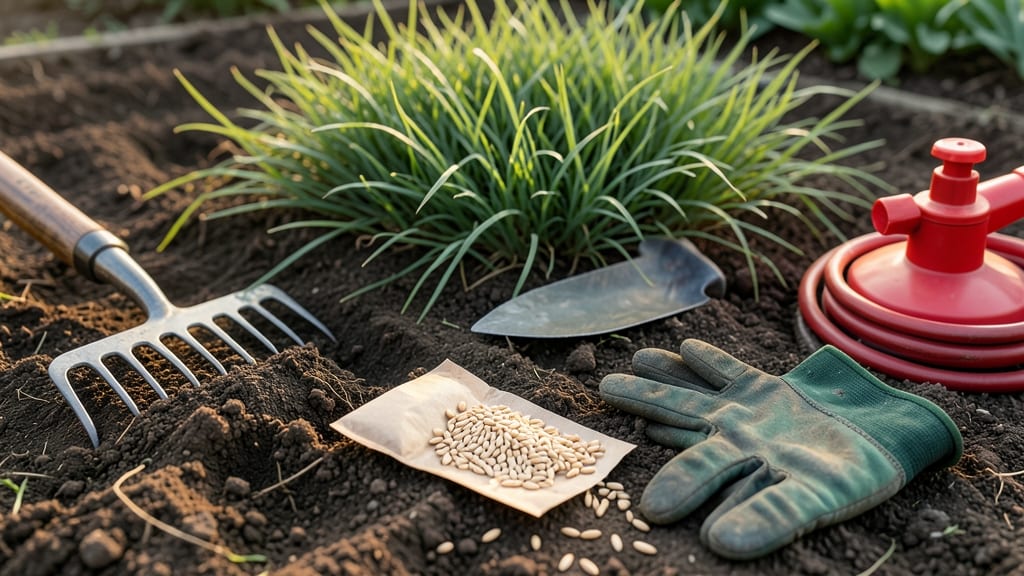
Planting bahia grass seed in Florida at the right time is the difference between a lush, drought-proof lawn and a patchy, high-maintenance mess.
Most gardeners rush to plant in spring—only to watch their seeds wash away in summer storms or bake in the heat. But there’s a hidden window in late summer that gives bahia grass 🌱 a fighting chance to establish deep roots before winter slows things down.
Florida’s climate zones 8a-11 complicate things: North Florida’s cooler summers demand an earlier start, while South Florida’s humidity and hurricane risks mean you’ve got just a few weeks to act. Miss the timing, and you’re stuck with slow growth, weak roots, or even seed loss before germination.
Below, I’ll break down the exact planting deadlines by region, soil prep secrets to beat Florida’s heat, and how to keep seedlings alive through the rainy season—so you can finally get that low-maintenance, sun-loving lawn you’ve been dreaming of.
Best late summer planting window for bahia grass in Florida’s climate zones
Florida’s climate zones 7 through 10 create unique challenges for bahia grass seed germination. Unlike northern states, Florida’s humidity and summer heat demand precise timing to avoid seed washout or fungal rot.
The ideal window? Late summer—specifically mid-August through early September—when soil temperatures stay warm but hurricane risks haven’t peaked.
This timing aligns with bahia grass’s natural growth cycle, ensuring strong root establishment before cooler weather arrives. In Zone 10, you can extend planting until mid-October, but northern Florida gardeners (Zones 7-8) must act by late August to avoid early frost threats.
Let’s break down the exact dates and soil conditions for each zone.
🌡️ Soil temperature is your #1 guide: bahia grass seeds need 75°F+ soil temps to germinate. Below that, and you’ll face slow, patchy growth. Use a soil thermometer to confirm readiness—especially in shady or high-elevation areas where temps lag behind.
Rainfall patterns add another layer of complexity. Florida’s summer storms can wash out freshly planted seeds, while drought conditions in late summer may dry out soil too quickly. The late summer window balances these risks: storms are still frequent, but intense hurricane season (peak in September) hasn’t fully arrived.
| Florida Zone | Optimal Planting Window | Soil Temp Threshold | Rainfall Risk | Hurricane Deadline |
|---|---|---|---|---|
| Zone 7 | Mid-August to late August | 75°F+ | Moderate (afternoon storms) | August 25 (hard stop) |
| Zone 8 | Late August to early September | 75°F+ | High (daily thunderstorms) | September 10 (hurricane window opens) |
| Zone 9 | Early August to mid-September | 80°F+ (warmer soil) | Very High (monsoon-like) | September 20 (peak storm risk) |
| Zone 10 | Late July to mid-October | 80°F+ (consistent) | Extreme (tropical downpours) | October 15 (late-season storms) |
Notice how Zone 10 has the longest window? That’s because tropical climates maintain warmer soils later into fall. But don’t let that lull you into complacency—October storms can still drown seedlings.
In Zone 7, the window is razor-thin, so mark August 25 on your calendar as a hard deadline.
One pro tip: Pre-soak seeds for 24 hours before planting. This boosts germination rates by 30% in Florida’s dry heat. Combine this with a light mulch layer (straw, not wood chips) to retain moisture without smothering seeds during sudden downpours.
After planting, avoid watering from above—use a soaker hose or drip irrigation to prevent seed displacement. Florida’s afternoon thunderstorms can turn your freshly seeded area into a muddy mess if you’re not careful. Aim for morning watering sessions instead.
Finally, monitor local hurricane forecasts starting in early September. If a storm is predicted within 72 hours of planting, delay until conditions improve. Bahia grass is drought-tolerant once established, but seedlings need consistent moisture—not flooding.
By following these zone-specific deadlines and soil prep steps, your bahia grass will establish deep roots before winter slows growth. That means fewer bare patches next spring and a lawn that outperforms traditional grasses in Florida’s heat. 🌱
How to prepare soil and seed for maximum root depth before planting
Florida’s heavy summer rains and compacted clay soils can drown bahia grass seeds before they sprout. The key to deep roots? Loosening soil, adjusting pH, and hydrating seeds before planting. I’ve learned the hard way—skipping these steps means seeds wash away or rot in soggy ground.
Start by testing your soil’s pH level. Bahia grass thrives in slightly acidic to neutral soil (6.0-7.0). If your soil tests higher, mix in sulfur or peat moss to lower the pH gradually over 2-3 weeks.
For compacted areas, rent a core aerator to create channels for roots to grow deep.
Step-by-Step Soil Prep for Deep Roots:
- 1 Test and Amend Soil: Use a soil test kit to check pH and nutrient levels. Add compost or aged manure to improve organic matter—aim for 2-3 inches mixed into the top 6 inches of soil.
- 2 Aerate for Root Space: Rent a core aerator to punch holes 3-4 inches deep every 3-4 inches apart. This prevents soil compaction and encourages roots to grow downward.
- 3 Level the Ground: Rake the soil smooth to avoid low spots where water pools. Sloping areas should have a 1-2% grade away from structures to prevent erosion.
- 4 Pre-Hydrate Seeds: Soak bahia grass seeds in lukewarm water for 24 hours before planting. This kickstarts germination and helps seeds survive Florida’s intense afternoon rains.
- 5 Space Seeds for Density: Plant seeds 1/4 inch deep and 1/2 inch apart in rows spaced 6-12 inches apart. This spacing allows seedlings to compete for sunlight without overcrowding.
- 6 Mulch Lightly: Apply a thin layer of straw mulch (1/4 inch) to retain moisture and protect seeds from bird predation. Avoid thick mulch, which can smother seedlings.
After planting, use a lightweight sprinkler to water gently—avoid blasting seeds, which can dislodge them. Keep the soil consistently moist (not soggy) for the first 2-3 weeks while roots establish. In Florida’s humid climate, fungal risks are high, so avoid overhead watering after germination.
Pro tip: Mark your planting date on a calendar. Bahia grass seeds typically germinate in 10-21 days, but Florida’s unpredictable summer storms can delay this. If rain is forecast, cover seeds with a lightweight row cover until sprouts appear.
With these steps, your bahia grass will develop deep, drought-resistant roots—ready to handle Florida’s heat and occasional dry spells. The payoff? A low-maintenance lawn that stays green even when other grasses struggle.