
How To
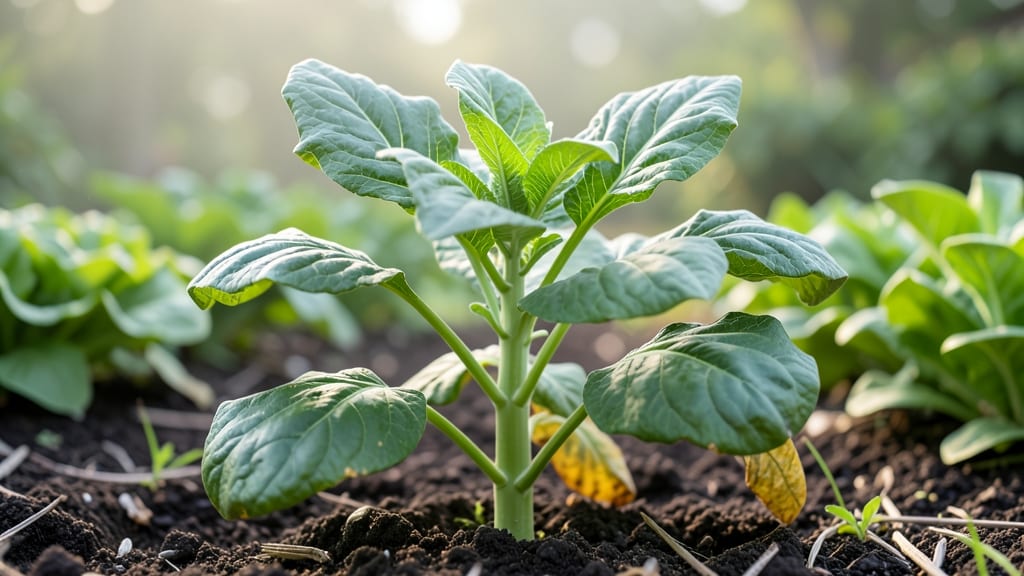
A mustard seed grows into a plant that how tall does a mustard seed grow can reach heights of 1 to 3 feet, depending on the variety and growing conditions—far taller than most gardeners expect from such a tiny starter.
Picture this: you tuck a few seeds into your spring garden in March or April, and by May or June, you’re harvesting lush greens that tower over your other plants.
But not all mustard varieties grow the same way—some stay compact at just 8 inches, while others stretch toward the sky.
If you’re growing mustard greens for leaves, you’ll likely want to keep them on the shorter side to encourage bushier growth. For seed production, though, taller varieties are your best bet. The key is understanding how your USDA Zone 6a climate and soil conditions play into their height.
In this guide, I’ll break down the height ranges for common mustard types, share tips to control their size, and help you avoid the mistakes that stunt growth—so you can enjoy a bountiful harvest without the surprises.

Mustard plant growth stages and height variations by type
Mustard plants are one of the fastest-growing vegetables in your garden, transforming from tiny seeds into lush, edible greens in just 30-60 days. But their final height varies dramatically depending on the variety and growing conditions.
Understanding these differences helps you choose the right type for your space and harvest goals—whether you want tender baby leaves or mature plants for seeds.
The journey from seed to harvest begins with germination, which occurs within 3-7 days under ideal conditions. During this stage, your mustard seeds need consistent moisture and temperatures between 50-75°F to sprout successfully.
Once sprouted, the seedlings enter their vegetative growth stage, where leaf production accelerates and plant height begins to take shape.
| Variety | Mature Height | Growth Timeline | Best For |
|---|---|---|---|
| Oriental Mustard (e.g., Tokyo Bekana) | 12-18 inches | 30-45 days | Baby leaves, salads |
| Indian Mustard (e.g., Brown Mustard) | 24-36 inches | 45-60 days | Seeds, mature greens |
| Mizuna (Japanese Mustard) | 8-12 inches | 25-35 days | Baby leaves, stir-fries |
| Leafy Mustard Greens (e.g., Southern Giant Curled) | 18-24 inches | 35-50 days | Cut-and-come-again harvests |
| Ornamental Mustard (e.g., Red Giant) | 30-36 inches | 50-60 days | Garden decor, seed pods |
The final height of your mustard plants depends heavily on their genetic makeup. For example, leafy varieties like mizuna stay compact at just 8-12 inches, making them perfect for container gardening or small spaces.
In contrast, Indian mustard can reach towering heights of 3 feet or more, ideal if you're growing for seeds rather than leaves.
Light exposure plays a crucial role in determining height. Mustard plants thrive in full sun (6+ hours daily), but too much intense sunlight can cause them to bolt prematurely—especially in hot climates.
If you're growing in partial shade, expect slightly shorter plants with more tender leaves, which is great for baby leaf harvests.
Soil fertility also influences height. Mustard plants are heavy feeders, so amending your soil with compost or balanced fertilizer (10-20-10 NPK) encourages lush growth. However, over-fertilizing can lead to excessive leafiness at the expense of height, which may not be ideal if you're aiming for mature seed production.
Temperature fluctuations can dramatically affect growth stages. Mustard plants prefer cool weather (50-75°F) and may slow down or bolt if exposed to heat waves above 85°F. In my garden, I've found that planting in early spring or late summer yields the tallest, healthiest plants with minimal bolting.
Harvest timing directly impacts height. If you're growing mustard for baby leaves, you can harvest as early as 3-4 weeks when plants are just 6-12 inches tall.
For mature plants, wait until they reach their full height (typically 45-60 days) before harvesting leaves or allowing seed pods to form.
For container growers, height becomes a critical consideration. Dwarf varieties like mizuna thrive in 5-gallon pots, while taller types may need 10+ gallon containers to support their structure. Always ensure your containers have drainage holes to prevent root rot, which can stunt growth entirely.
If you're growing mustard for seeds, allow the plants to reach their maximum height and bolt naturally. The taller varieties, like Indian mustard, will produce the largest seed pods, while shorter types may yield fewer but equally viable seeds.
Just remember to space them properly (12-18 inches apart) to avoid competition for nutrients.
🌱
How to control mustard plant height for better yield and space efficiency
Mustard plants are fast growers, but their height can vary dramatically based on your goals. If you're growing leafy greens like mizuna or Oriental mustard, shorter plants with bushier growth yield more edible leaves.
For seed production, taller varieties (up to 3 feet) are ideal. The key is understanding how to guide their growth without sacrificing yield or space.
For leafy mustard varieties, most mature between 12-24 inches, while seed-producing types can reach 3 feet or taller. The difference comes down to variety selection, pruning techniques, and nutrient management.
Even if you plant the same seed packet, your mustard plants can end up dramatically different in height based on these factors.
Leafy varieties: 8-18 inches (ideal for cutting greens)
Seed varieties: 2-3 feet (taller for seed production)
Pro Tip: Use dwarf varieties (like 'Tendergreen') for containers or small gardens to save space.
To encourage shorter, bushier growth—perfect for leaf harvests—start with proper spacing. Plant seeds 1 inch apart in rows 12-18 inches apart. This prevents overcrowding, which forces plants to compete for light and grow taller.
For container gardening, use dwarf varieties and space plants 6 inches apart in 12-inch pots.
Pruning is your best tool for controlling height. For leafy mustard, harvest outer leaves first to encourage bushier regrowth. Pinch off flower buds early to prevent bolting, which sends plants shooting upward.
If you notice stems elongating too much, trim the tallest stems by one-third to redirect energy to leaf production. This keeps plants compact while maximizing yield.
Soil and nutrients play a critical role in height control. Mustard plants thrive in well-draining, nitrogen-rich soil with a pH of 6.0-7.0. Over-fertilizing with nitrogen can lead to excessive leaf growth but may also cause plants to grow too tall.
Instead, use a balanced fertilizer (10-20-10) sparingly—apply once every 4-6 weeks during the growing season. For shorter plants, reduce nitrogen slightly and focus on phosphorus to promote bushier growth.
If your mustard plants are already too tall, don't panic. You can still salvage them by pruning aggressively and focusing on side shoots. Cut back the main stems to 6 inches and watch new growth sprout from the base.
This technique works best in leafy varieties and can extend your harvest season. For seed production, allow taller plants to bolt naturally, but remove weak stems to concentrate energy on the strongest plants.
Remember, the goal is space efficiency without sacrificing yield. By combining proper spacing, strategic pruning, and balanced nutrients, you can grow mustard plants that fit your garden's needs—whether that's a compact 12-inch bush or a towering 3-foot seed stalk.
Experiment with varieties and techniques to find what works best for your space! ✂️🌿