
Lawn
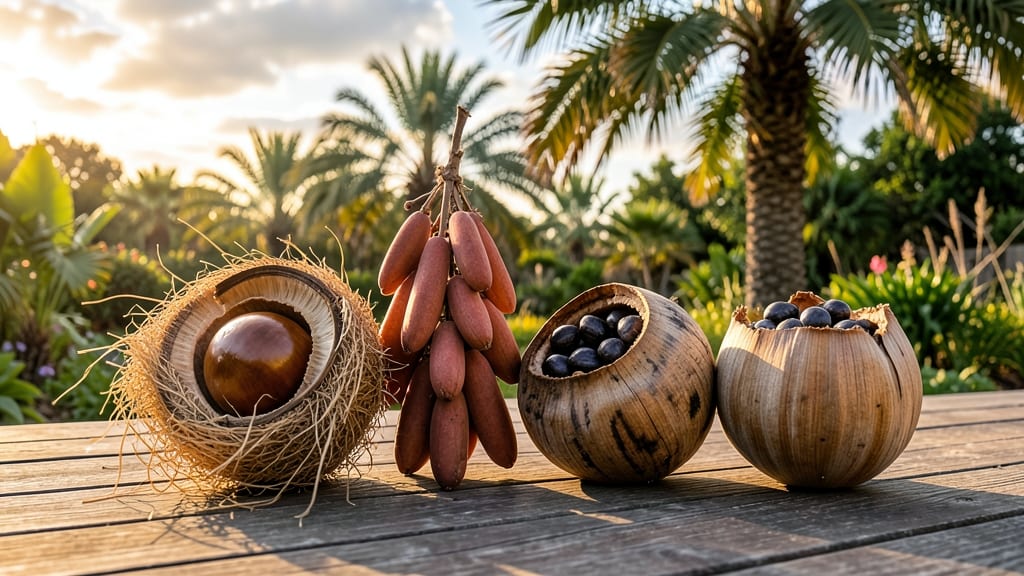
The identification of palm tree seed pods starts with noticing their shockingly diverse shapes and textures—some smooth like a coconut, others spiky like a porcupine. 🌴 I’ve spent years collecting these pods, and the first clue is always size: a coconut’s round, 10-inch husk vs. a date palm’s elongated, 2-inch clusters.
The color matters too—green when fresh, brown when mature—but never assume a pod is safe to touch without checking for sharp spines or sticky sap.
Common species like coconuts and date palms have telltale features: coconuts have three distinct "eyes" at the base, while date palm pods split open to reveal rows of seeds. Other palms, like the sago palm, produce hard, woody pods that look nothing like tropical beach imagery.
If you’re unsure, compare your find to photos in a palm tree ID app—visual guides are your best friend when dealing with nature’s camouflaged surprises.
Safety first: some pods, like those from the black palm, contain toxic sap that can irritate skin, while others, like the spiny palm, will draw blood if handled carelessly.
Always wear gloves when collecting, and never cut into a pod unless you’re certain it’s safe. The right identification avoids accidents and helps you appreciate these fascinating botanical treasures without risk.
For non-experts, start with a simple checklist: shape (round, oval, or elongated?), size (smaller than a fist or larger?), and texture (smooth, fibrous, or spiky?). Cross-reference with local palm species—your region’s native palms will give you the most accurate matches.
With practice, you’ll spot the subtle differences that make each pod unique, turning a simple walk into a treasure hunt of tropical botany.
📚 In This Guide
- What you need
- Instructions
- Tips and common mistakes
- Wrapping up and next steps
What you need
- ● Magnifying glass (3x–10x magnification) – For examining fine details like fiber texture or seed patterns.
- ● Ruler or measuring tape – To record pod length, width, and thickness (inches or centimeters).
- ● Notebook & pencil – For jotting down observations (shape, color, scent, and location).
- ● Digital camera or smartphone – Capture high-res images of pods, seeds, and surrounding foliage.
- ○ Gloves (optional but recommended) – Some pods have sharp edges or sticky resins.
- ● Field guide or identification app – Like iNaturalist or PictureThis for real-time comparisons.
- ● Hand lens with LED light – For low-light or detailed close-ups.
- ● Small plastic bags or containers – To safely collect fallen pods (check local regulations first!).
- ● Moisture meter (soil) – Useful if you’re assessing habitat conditions for palm growth.
- ● Reference samples – If possible, compare with known palm pods from local nurseries.
How to identify palm tree seed pods in the wild
Here’s how I’ve learned to distinguish common palm seed pods—no botanist degree required.
🌿 Step 1: Examine the Pod Shape and Size
Start by comparing the pod’s overall shape to known types. Coconut pods are round, fibrous, and 10-12 inches in diameter—easy to spot on beaches. Date palm pods are elongated, 3-5 inches long, and resemble small, dried figs with a rough, scaly texture. If the pod is oval with a pointed tip and 6-8 inches long, it’s likely a palmetto or sabal palm—common in southeastern U.S. landscapes.
Pay attention to the thickness of the husk. Thin, papery husks (like those on sago palm seeds) suggest a tropical indoor palm, while thick, woody shells (like royal palm seeds) indicate outdoor species. Run your fingers along the surface—smooth pods are usually from coconut or queen palm, while bumpy or ridged pods belong to palmetto or canary palm varieties.
🌱 Step 2: Check for Fibers and Internal Structure
Gently peel back a small section of the husk to inspect the fibers inside. Coconut pods have long, silky brown fibers that unravel easily—these are your classic beachcomber finds. Date palm pods reveal a hard, stony pit inside, often with a single large seed embedded in the flesh. If the fibers are short and wiry (like saw palmetto seeds), the pod is likely from a native U.S. palm.
Here’s the thing—never cut into a pod unless you’re certain it’s empty. Some, like coconut, can harbor sharp fragments or even pests. Instead, tap it firmly: a hollow sound means it’s likely a coconut or queen palm seed pod, while a dull thud suggests a date or palmetto with a dense interior.
☀️ Step 3: Observe Growth Patterns and Location
Where you find the pod matters. Coconuts wash up on shores or grow directly on coconut palm trees in tropical zones. Date palm pods drop from tall, feathery fronds in desert or Mediterranean climates. If the pod is on the ground beneath a fan-shaped palm (like sabal palm), it’s likely from a native U.S. species.
Look for clusters of pods—some palms (like coconut) produce them in tight groups, while others (like palmetto) drop single pods. Notice the leaf structure of the parent tree: feathery fronds usually mean coconut or date palm, while fan-shaped fronds point to sabal or sago palm. This is your best clue if you’re identifying from a distance.
✂️ Step 4: Test for Germination Readiness
If you’re curious whether the pod can sprout, perform a float test. Drop the pod in water: if it floats with the pointed end up, it’s likely a coconut and viable for planting. If it sinks immediately, it’s probably a date or palmetto seed—these need stratification (cold treatment) before germination.
Crack open a small section (if safe) to check for moisture inside. A damp, white interior means the seed is fresh and may still germinate. A dry, brown core signals it’s past its prime. Real talk: palmetto and sago palm seeds often take 6-12 months to sprout, so patience is key—don’t discard them just because they look "dead."
Tips & tricks for mastering palm tree seed pod identification
These insider tricks will sharpen your eye for distinguishing palm seed pods like a botanist—without the jargon.
Texture is Your Secret Weapon: Pay special attention to the husk texture in Step 1. Coconut husks should feel like coarse sandpaper when you run your thumb along them, while date palm pods have a rough, almost papery texture that crinkles slightly. For sabal palms, the husk often has a subtle ribbing pattern—like a tiny accordion—that’s easy to miss if you’re not looking closely. This texture clue is more reliable than size alone, especially when pods are partially decomposed.
The Tapping Test Reveals More Than You Think: In Step 2, when you tap the pod, listen for the quality of the sound, not just hollow vs. dull. A coconut’s hollow sound has a bright, almost metallic ring, while a queen palm’s hollow note is more muted and woody. For dense pods like palmetto, the dull thud often has a slight echo—almost like tapping a coconut but with less resonance. Pro tip: Do this test near a hard surface (like concrete) to amplify the difference.
Leaf Shape is the Ultimate Cheat Code: Step 3’s advice about leaf structure is gold, but here’s what nobody tells you: The angle of the fronds matters too. Coconut palms have fronds that arch gracefully, while date palms grow almost straight up. If you’re identifying from a distance, look for fronds that form a perfect cone shape—this is your royal palm dead giveaway. And if the palm has fronds that fan out horizontally like a dinner plate? That’s your sabal palm, and any pods beneath it are almost certainly from that species.
Germination Testing Has Hidden Rules: The float test in Step 4 is foolproof for coconuts, but for other pods, timing matters. Date palm seeds need 24 hours of soaking before testing—if you drop them in water immediately, they’ll sink even if viable. For palmetto seeds, the float test is less reliable because their dense shells often sink regardless. Instead, check for a slight crack in the husk when pressed gently with your thumb—this indicates moisture retention and potential viability.
Pro Tips for Identification Palm Tree Seed Pods
- These insider tricks will sharpen your eye for distinguishing palm seed pods like a botanist—without the jargon.
- Texture is Your Secret Weapon: Pay special attention to the husk texture in Step 1.
- The Tapping Test Reveals More Than You Think: In Step 2, when you tap the pod, listen for the quality of the sound, not just hollow vs. dull.
Frequently asked questions
Got questions about identifying palm tree seed pods? You’re not alone! Here are some of the most common queries—and their answers—to help you navigate the world of these unique botanical features with confidence.
How do I tell if a seed pod is from a palm tree vs. another plant?
Palm tree seed pods often have a fibrous, woody, or leathery exterior with a single large seed inside. Unlike pods from legumes (e.g., peanuts or beans), they rarely split open on their own. Look for palmate or pinnate fronds nearby—they’re a dead giveaway! If the pod is smooth and splits into two halves, it’s likely not from a palm.
When is the best time of year to find palm tree seed pods?
Timing depends on the palm species, but most produce pods in late spring to summer (May–August in the U.S.). Tropical palms may fruit year-round in warm climates. Check the tree’s flowering season first—pods usually appear 6–12 months after blooms fade. Patience is key!
Can I identify a palm tree just by its seed pod? Is it reliable?
While seed pods offer clues, they’re not foolproof for ID. Some palms (like the coconut or date palm) have distinctive pods, but others (e.g., sabal or thatch palms) look nearly identical. Always cross-reference with leaf shape, trunk texture, and fruit color for accuracy.
What should I do if my palm tree isn’t producing seed pods?
Several factors could be at play: age (young palms <20 years old may not fruit), environmental stress (drought or poor soil), or lack of pollinators. Try fertilizing with potassium-rich food or hand-pollinating flowers (if accessible). If the tree is healthy but still silent, it might just need more time!
Are there any palm seed pods I should avoid handling?
Most palm pods are harmless, but a few contain toxic sap (e.g., sapucaia or macaw palm) or sharp spines. Wear gloves when unsure, and avoid crushing pods—some release irritating resins. If you’re allergic to latex, test a small area first. When in doubt, admire from afar!
Wrapping up and next steps
Identifying palm tree seed pods doesn’t have to be a guessing game—now you’ve got the visual guide and key features to confidently distinguish between common types!
Whether you’re a gardener, nature enthusiast, or simply curious about tropical flora, recognizing these pods can deepen your appreciation for the diversity of palm species. 🌿
Ready to put your new knowledge to use? Grab a notebook, head outdoors, and start collecting samples to build your own palm tree seed pod library. You might even discover something rare in your backyard—happy exploring!