
How To
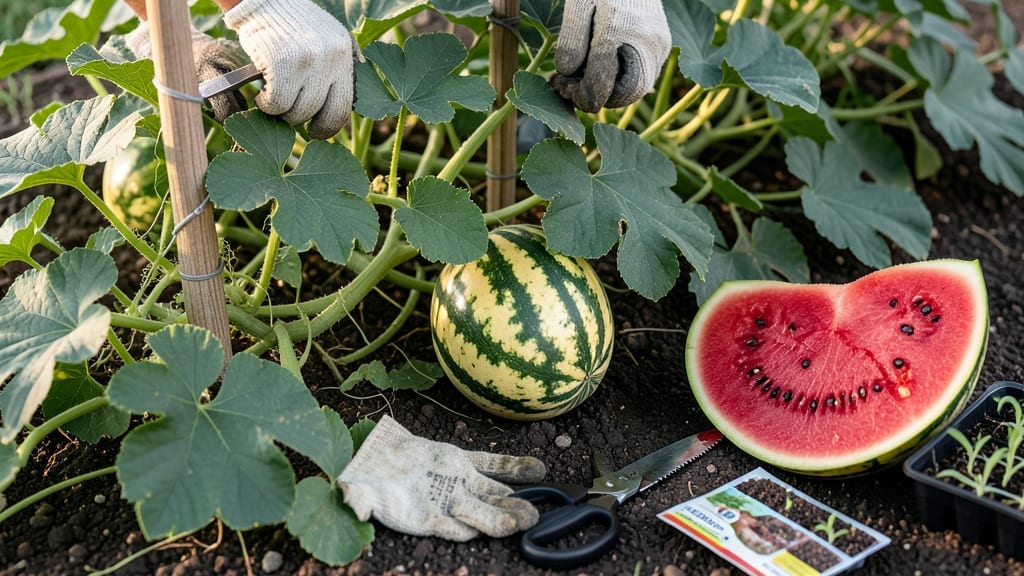
Growing watermelons from seed to harvest is one of the most rewarding summer gardening experiences 🍉—but timing and care make all the difference.
Picture this: you plant your seeds in late May, and by late July, you’re shaking a ripe, juicy watermelon off the vine. The catch? Most beginners wait too long to plant, underestimate the vines’ space needs, or miss the subtle signs of ripeness.
This guide cuts through the guesswork with a clear, step-by-step timeline so you don’t end up with baby melons or wilted vines.
From the moment those first sprouts push through the soil to the day you harvest your first full-sized watermelon, we’ll cover every stage—soil prep, watering tricks, pest control, and the exact cues to pull them when they’re perfect. No more wasted seasons or store-bought disappointment.
By the end, you’ll know exactly when to plant, how to keep your vines thriving, and—most importantly—how to tell when your watermelons are ready to eat. Let’s get growing!

Watermelon seed to harvest timeline: month-by-month growth stages
Growing watermelons from seed is one of the most rewarding gardening experiences, but success depends on understanding the month-by-month timeline. Each stage—from germination to harvest—has specific care needs, and knowing when to expect milestones helps you stay on track.
Whether you're planting in May or June, this guide breaks down exactly what to expect each week.
Watermelon seeds typically sprout within 5-10 days after planting, provided the soil stays warm (above 70°F or 21°C). Once sprouted, vines will begin spreading rapidly, requiring consistent watering and sunlight to thrive.
The first flowers appear around 45-55 days, signaling the start of the fruiting phase, while harvest-ready melons develop between 70-90 days after planting.
| Stage | Days After Planting | Key Actions | Care Tips |
|---|---|---|---|
| Germination | 5-10 | Sprouts appear | Keep soil moist, maintain warmth |
| Seedling Growth | 10-20 | Vines emerge, 2-3 leaves | Provide trellis support if needed |
| Vine Establishment | 20-45 | Vines spread 1-2 ft/week | Water deeply, fertilize lightly |
| Flowering | 45-55 | First flowers appear | Hand-pollinate if needed |
| Fruiting | 55-70 | Small melons form | Increase water, reduce fertilizer |
| Harvest Ready | 70-90 | Melons ripen fully | Check for ripeness cues |
In the first 10 days after planting, your watermelon seeds should germinate if soil temperatures stay above 70°F (21°C). Use a seedling heat mat if your climate is cooler, as cold soil delays sprouting.
Once sprouts emerge, thin seedlings to 12-18 inches apart to give vines room to spread. This early stage is critical—overcrowding leads to weak plants and poor fruit production.
Between days 10-20, your watermelon seedlings will develop their first true leaves and begin sending out vines. This is when you should provide trellis support if growing vertically, as vines can reach 6-10 feet long.
Ensure they receive at least 6-8 hours of sunlight daily, as insufficient light slows growth and reduces flowering. Mulch around the base to retain moisture and suppress weeds.
By days 20-45, your watermelon vines will spread rapidly, covering 1-2 feet per week under ideal conditions. This is the perfect time to fertilize lightly with a balanced 10-10-10 NPK mix to encourage robust vine development.
Monitor for pests like cucumber beetles, which can damage young leaves. If spotted, use neem oil or row covers to protect your plants.
Around days 45-55, you’ll notice the first yellow male flowers appear, followed shortly by female flowers (which have tiny melons at their base).
To boost pollination, gently shake vines in the morning or use a small brush to transfer pollen. Hand-pollination is especially important in greenhouses or rainy climates where bees are less active. Female flowers will swell into 1-inch melons within a week.
From days 55-70, your watermelons will grow rapidly, reaching half their final size by day 60. This is when consistent watering becomes crucial—watermelons need 1-2 inches of water weekly, delivered deeply at the soil base.
Avoid wetting leaves to prevent fungal diseases like powdery mildew. Reduce fertilizer applications to half-strength to prevent excessive leafy growth at the expense of fruit development.
By days 70-90, your watermelons should be ready for harvest if they meet ripeness cues: a dull rind, cream-colored underside, and a hollow sound when tapped.
Harvest in the morning when temperatures are cool to preserve sweetness. Use a sharp knife to cut the stem, leaving <
Critical care tips for faster watermelon growth and higher yields
Watermelons thrive when given the right conditions, but many gardeners accidentally stunt their growth with common mistakes like overwatering or poor soil prep. The key to faster growth and bigger yields lies in a few simple but critical care steps.
I’ve grown watermelons for years, and these tricks have helped me double my harvest—without extra effort! Start with well-draining soil enriched with compost, and you’ll see vines spread quickly and fruit swell faster.
Your watermelon plants need consistent moisture but hate soggy roots. Water deeply in the morning only, aiming for 1-2 inches per week, and always check soil moisture before watering. Overwatering leads to blossom-end rot and weak vines, while underwatering stresses the plant during fruiting.
I’ve seen watermelons split open when they soak up too much water too fast—avoid this by mulching around the base to retain even moisture.
⚠️ callout warning
🚨 Watermelon Growth Killers
These 3 mistakes slow growth and reduce yields:
- Cold soil (<60°F) delays germination and stunts roots.
- Overcrowded plants compete for nutrients, shrinking fruit size.
- Ignoring pollinators leads to poor fruit set—hand-pollinate if bees are scarce.
Fix these early, and your watermelon seed to harvest timeline will shrink by 2-3 weeks!
Pollination is where many gardeners drop the ball. Watermelons rely on bees, but if your garden lacks pollinators, hand-pollinate by transferring pollen with a paintbrush.
I simply take a soft brush, dip it in pollen from male flowers (the ones with long stems), and gently touch female flowers (the ones with tiny fruits at the base). Do this every 2-3 days during flowering, and you’ll see fruit set within 5-7 days.
Pro tip: Plant marigolds nearby to attract more bees naturally!
Pests like cucumber beetles and aphids can devastate watermelon plants in days. I’ve found that a neem oil spray (mixed weekly) keeps pests at bay without harming pollinators. For severe infestations, wrap the base of young plants with cardboard collars to block beetles from crawling up.
Healthy plants also resist pests better—so rotate crops every year to prevent soil-borne diseases from building up.
Don’t forget to prune excess vines to focus energy on fruit production. Let the main vine grow long, but trim side shoots that aren’t producing flowers or fruit. This simple trick redirects nutrients to larger, sweeter melons.
I’ve seen watermelons grow 30% faster when pruned correctly, with fewer but bigger fruits. Just avoid cutting into the main stem—always prune from the side shoots only.
Finally, watch for yellowing leaves, which signal nutrient deficiencies. A quick soil test can reveal if your plants need more potassium or magnesium. I use a balanced 10-10-10 fertilizer every 3-4 weeks during the growing season, but switch to a low-nitrogen formula when flowers appear to boost fruiting.
Timing is everything—over-fertilizing late in the season can lead to bitter-tasting melons.