
Lawn
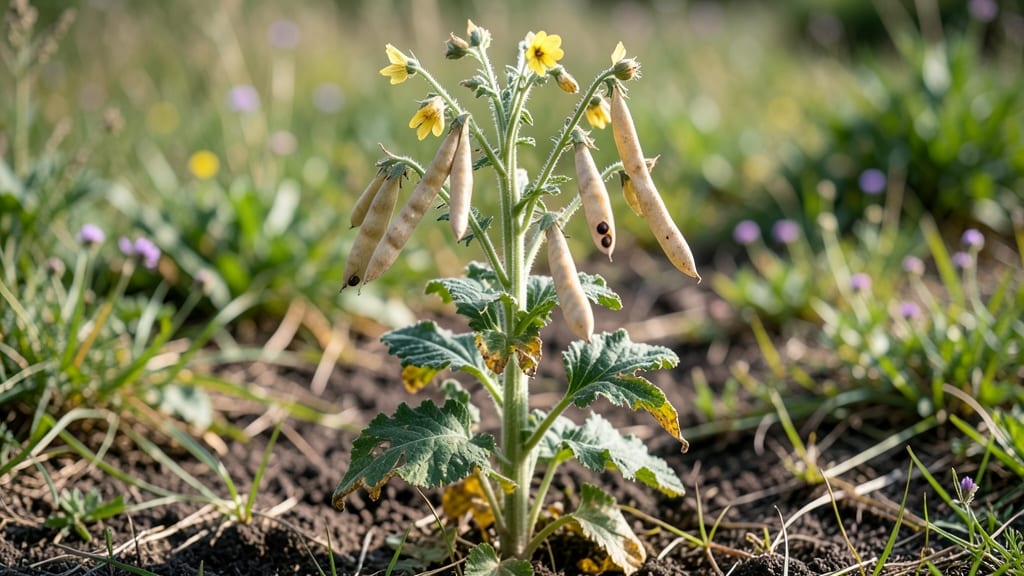
Harvesting wild mustard seed pods before they overripen means saving free seeds for next year’s garden or controlling its spread. 🌱 I’ve spent years watching these plants take over lawns—until I learned to work with them instead.
The key is timing: harvest when pods turn from green to light brown but before they burst open, usually in late summer or early fall. You’ll need gloves (those seed pods are sticky), a paper bag for collection, and sharp scissors.
Walk your property in the morning when pods are dry but haven’t split yet—this prevents seeds from scattering everywhere. A single plant can yield hundreds of seeds, so focus on mature stems first. Once collected, spread the pods on newspaper to dry completely (about a week).
Store them in an envelope or jar in a cool, dark place. These seeds are tough—viable for years—so you’ll have a ready supply for reseeding or sharing with fellow gardeners. If wild mustard is invasive in your area, harvesting pods early reduces seed spread.
Just don’t toss them—compost them or use them to feed birds in winter. Nature’s got a way of balancing things out!
📚 In This Guide
- What you need
- Instructions
- Tips and common mistakes
- Wrapping up and next steps
What you need
- ● Wild mustard plants: Identify mature plants with fully formed seed pods (but not overripe or dried out). Aim for at least 5–10 healthy plants for a decent seed yield.
- ● Pruning shears or sharp scissors: 1 pair (sterilized with rubbing alcohol to prevent disease spread). Opt for bypass blades for clean cuts.
- ● Brown paper bags or breathable fabric sacks: 3–5 medium-sized bags (12x15 inches) to collect pods. Avoid plastic—it traps moisture and encourages mold.
- ○ Gloves (optional but recommended): 1 pair of nitrile or cotton gloves to protect hands from prickly stems or sap.
- ● Labeling tags or masking tape: 5–10 tags to mark bags with plant details (e.g., harvest date, location).
- ● Newspaper or cardboard: 1–2 sheets to lay pods out for drying (if processing at home).
- ● Seed drying tray or screen: A mesh drying rack speeds up the process and prevents mold.
- ● Fine-mesh sieve or colander: For easily separating seeds from chaff once pods are dry.
- ● Small fan or dehumidifier: If drying indoors, a gentle airflow keeps pods from getting damp.
- ● Spray bottle with water: A light mist can help loosen stubborn seeds from pods.
- ● Camera or notebook: To document plant traits (e.g., pod shape, color) for future reference.
Step-by-Step instructions for harvesting wild mustard seed pods
Here’s how to collect seeds at peak viability—before they shatter or lose potency.
🌿 Step 1: Identify and Monitor Pods at the Right Stage
Wild mustard pods turn from green to a light tan or pale brown when ready—this signals seeds are fully formed but not yet overripe. You’ll see the pods start to dry out slightly but remain intact. Wait until at least 70% of pods on the plant show this color change before harvesting.
Check plants daily in the last week of flowering. If you miss the window, pods will split open and seeds scatter. I like to harvest in the early morning when dew is present—pods stay fresher longer and seeds cling better. Avoid harvesting after rain, as moisture weakens the pods.
✂️ Step 2: Cut or Strip Pods Gently
Use clean pruning shears to snip entire seed stalks at the base, or strip pods directly from the stem. Handle pods with care—squeezing or rubbing them prematurely causes seeds to spill. Place harvested pods in a paper bag (not plastic) to allow airflow while preventing loss.
If pods are still green or firm, leave them on the plant for another 2-3 days. Overripe pods will feel brittle and crumble at the slightest touch. I’ve learned the hard way—harvesting too early means immature seeds that won’t sprout, while waiting too long means wasted seeds.
🪴 Step 3: Dry Pods Completely Before Processing
Spread pods in a single layer on a clean, dry towel in a warm, dry location (like a sunny windowsill). Keep them out of direct sunlight to prevent overheating, which can damage seeds. Stir pods once daily for 3-5 days until they’re completely dry and papery.
Dry pods should rattle when shaken—this confirms seeds are loose inside. If pods feel damp or sticky, extend drying time. I’ve had success using a dehydrator on low heat (around 95°F) for 4-6 hours if humidity is high, but air-drying is safest for wild seeds.
🌱 Step 4: Extract and Store Seeds Properly
Once pods are dry, place them in a clean pillowcase and gently shake or rub to release seeds. Alternatively, crush pods lightly with a rolling pin over a tray. Sift the mixture to remove debris, then transfer seeds to a paper envelope or glass jar with a desiccant packet (like silica gel).
Label your container with the harvest date and store in a cool, dark place (like a pantry). Wild mustard seeds remain viable for 2-3 years if kept dry. I’ve kept seeds for up to 5 years with no issues—just check for moisture spots annually.
⏰ Step 5: Test a Few Seeds Before Storing the Rest
Before storing the bulk of your harvest, plant 5-10 seeds in a small pot with moist potting mix to confirm viability. Cover lightly with soil and keep in a warm spot (around 70°F). Germination should occur in 7-14 days. If fewer than 50% sprout, your seeds may need longer drying or a stratification period (chilling for a week).
This simple test saves you from discovering poor viability later. I once stored seeds without testing—only to find they barely sprouted the next spring. Now, I always check a sample first. If germination is strong, store the rest with confidence for next year’s garden.
Tips & tricks for perfect wild mustard seed pod harvesting
Mastering the timing and handling of wild mustard seed pods makes all the difference between a bountiful harvest and wasted effort.
Timing Secret: In Step 1, when you're checking for that light tan color, focus on pods that are slightly dry but still intact. The moment they start rattling when shaken is your cue—the seeds are ready but not yet overripe. I’ve found that harvesting just as the pods begin to dry out (not fully dried) gives me the best germination rates. This window is narrow, so I check plants twice daily in the last week of flowering.
Handling Technique: During Step 2, when stripping pods, work over a clean towel or paper bag to catch any seeds that might prematurely release. I’ve learned that even gentle handling can cause seeds to spill if pods are overripe. If you notice pods crumbling at the slightest touch, you’ve waited too long. For stubborn pods, use clean pruning shears to cut entire stalks at the base—this preserves more seeds than stripping individually.
Drying Strategy: In Step 3, when drying pods, I’ve had the most success with a combination of air-drying and dehydrator assistance. Start with air-drying in a warm, dry location for 2-3 days, then finish in a dehydrator at 95°F for 4-6 hours if humidity is high. This two-step process ensures complete dryness without risking overheating. Always stir pods daily to prevent mold—this is where most harvests go wrong.
Storage Wisdom: For Step 4, when storing seeds, I’ve found that glass jars with desiccant packets work best for long-term viability. Label each jar with the harvest date and pod color at collection—this helps track which seeds might need stratification if germination is poor. I also keep a small sample of each harvest in a separate envelope for testing before storing the bulk.
Pro Tips for Wild Mustard Seed Pods
- Mastering the timing and handling of wild mustard seed pods makes all the difference between a bountiful harvest and ...
- Timing Secret: In Step 1, when you're checking for that light tan color, focus on pods that are slightly dry but stil...
- Handling Technique: During Step 2, when stripping pods, work over a clean towel or paper bag to catch any seeds that ...
Frequently asked questions
Got questions about harvesting wild mustard seed pods? Here are some common ones—and their answers—to help you get the most out of your garden prep:
When is the best time to harvest wild mustard seed pods?
The ideal time is when the seed pods turn light brown but are still firm to the touch—usually late summer to early fall. If you wait too long, the pods may crack open and scatter seeds prematurely. Harvest on a dry day for easier handling and drying.
What do I do if the pods split open before I can harvest them?
Don’t worry! If seeds scatter early, simply collect the fallen seeds from the soil and dry them indoors. Spread them on a paper towel or mesh screen in a warm, dry spot for a few days. Once fully dry, store them in a sealed container for next season.
Can I use wild mustard seed pods for anything other than replanting?
Beyond seeds, the young pods and leaves are edible—add them to salads or sauté them like greens. Just ensure they’re pesticide-free. For culinary use, harvest when pods are green and tender (before they harden).
How long do harvested mustard seeds stay viable for storage?
Properly dried and stored seeds can last 2–5 years in a cool, dark place (like a sealed jar in the fridge). Check for moisture or pests annually. If seeds feel damp or smell musty, dry them again before storing to prevent mold.
Are wild mustard seed pods invasive? Should I remove them?
Wild mustard (Brassica spp.) can spread aggressively, but it’s also a great pollinator plant. If you’re okay with its presence, let it self-seed. To control spread, harvest pods early or pull plants before they bolt. Wear gloves if you’re sensitive to sap.
Wrapping up and next steps
Harvesting wild mustard seed pods at the right stage ensures a bountiful yield for next year’s growth while keeping your lawn or garden in check.
By following these simple steps—identifying mature pods, using the right tools, and storing seeds properly—you’ll turn a potential weed into a valuable resource. Now’s your chance to take control! 🌱
Ready to put your new skills to use? Start by scanning your yard for those telltale pods and gather your supplies—soon, you’ll be a seed-saving pro! 🌟