
Propagation
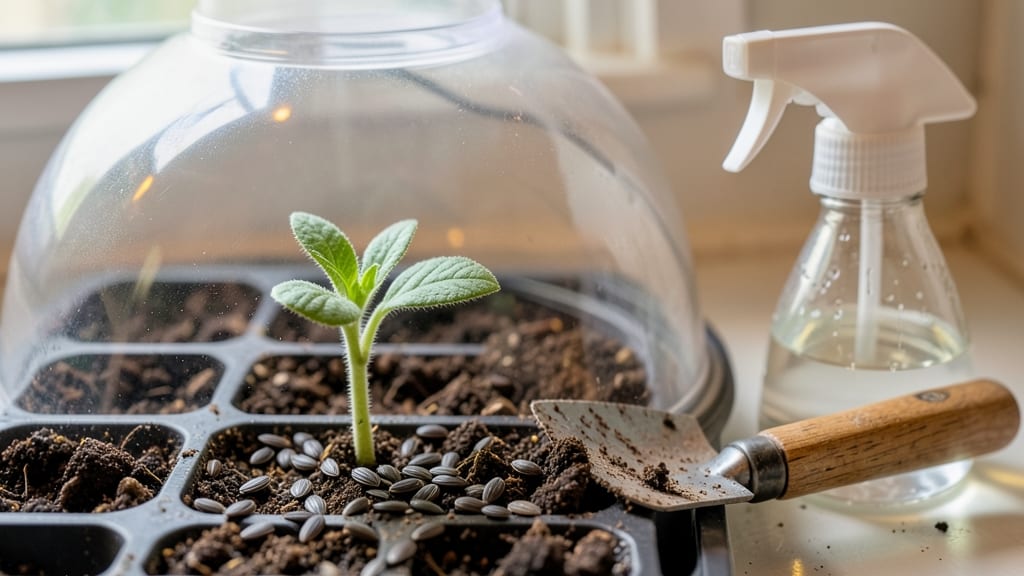
The zinnia seed germination time takes between 5 and 14 days, depending on the variety and soil conditions — and getting that timing right is the difference between a garden full of 🌼 blooms and a tray of flopped efforts.
If you’ve ever stared at a damp seed-starting mix, willing those tiny seeds to crack open, you know how frustrating it can be when they take longer than expected. The good news?
With the right temperature, moisture, and a few pro tips, you can cut that wait time in half and set your zinnias up for a bold, vibrant start.
Here’s what you need to know about zinnia seed germination time — from the fastest-sprouting varieties to the exact soil temps that speed up (or slow down) those first green shoots.
You’ll learn how to troubleshoot slow germination, whether pre-soaking helps, and the one mistake most gardeners make that keeps their seeds stuck in limbo.
Zinnia seed germination time by variety: fastest vs slowest sprouting types
If you've ever waited impatiently for zinnia seeds to sprout, you're not alone. The germination time for zinnias can vary wildly—some varieties pop up in just 5 days, while others take 14+ days to break through the soil.
This difference isn’t random; it’s tied to the zinnia variety and ideal growing conditions. Understanding these timelines helps you plan better and troubleshoot delays.
Fast-sprouting zinnias like 'Profusion' series often emerge within a week, making them perfect for impatient gardeners or late-season plantings. On the other hand, heirloom varieties such as 'Benary’s Giant' may take nearly twice as long.
The key to success lies in matching your zinnia variety with the right soil temperature and moisture levels. Let’s break down the fastest and slowest germinators so you can set realistic expectations.
Why does germination time vary? Genetics play a huge role—some zinnias are bred for quick sprouting, while others prioritize disease resistance or flower longevity over speed. Environmental factors like soil warmth and moisture consistency also speed up or slow down the process. For example, cool soil can delay germination by 5-7 days, while warm, moist conditions can cut that time in half.
Below, I’ve compiled a comparison of popular zinnia varieties based on real-world germination data. This table includes the average days to sprout, ideal planting conditions, and tips to optimize your success.
Whether you’re growing zinnias for cut flowers, pollinators, or just vibrant color, knowing these timelines will help you plan your garden like a pro.
| Variety | Avg. Germination Time | Ideal Soil Temp (°F) | Key Growing Tip | Best For |
|---|---|---|---|---|
| 'Profusion' Series | 5–7 days | 70–85°F | Fastest germinator; use heat mat if soil is cool | Cut flowers, containers |
| 'Crystal Series' | 7–10 days | 65–75°F | Drought-tolerant; keep soil lightly moist | Dry climates, pollinators |
| 'Benary’s Giant' | 10–14 days | 75–85°F | Heirloom; pre-soak seeds for 24 hours | Cut bouquets, tall varieties |
| 'Thumbelina' (Dwarf) | 6–9 days | 60–70°F | Compact growth; plant in well-draining soil | Borders, hanging baskets |
| 'Zahara' Series | 8–12 days | 70–80°F | Heat-tolerant; avoid overwatering | Hot climates, long blooms |
The 'Profusion' series stands out as the fastest germinating zinnia, often sprouting in just 5–7 days when conditions are ideal. This makes it a favorite for gardeners who want quick results or need to extend their blooming season.
If you’re planting in early spring or late fall, a heat mat can help maintain the optimal 70–85°F soil temperature and shave off critical days.
On the slower end, 'Benary’s Giant' and other heirloom varieties can take 10–14 days to germinate. These zinnias are prized for their large, showy blooms, but their slower start means you’ll need to be patient—or use tricks like pre-soaking seeds for 24 hours to kickstart the process.
For heirlooms, soil warmth is non-negotiable; cooler temperatures can stretch germination to 3+ weeks, which is why I recommend planting them after the last frost when the ground has warmed.
Dwarf varieties like 'Thumbelina' are a great compromise, sprouting in 6–9 days while staying compact enough for containers or borders. Their shorter stature also means they’re less susceptible to wind damage or toppling in heavy rains. If you’re growing zinnias
How soil temperature affects zinnia germination speed (with exact degree thresholds)
Soil temperature is the single biggest factor in how quickly your zinnia seeds sprout. While some varieties can germinate in just 5 days under perfect conditions, others may take 14+ days if the soil is too cold. The difference? A 10°F swing in temperature can double—or even triple—your germination time.
Zinnia seeds thrive when soil temperatures hover between 70°F and 85°F, where most varieties will sprout within 7-10 days. Below 50°F, germination slows dramatically, and above 90°F, seeds may struggle to break dormancy at all.
Understanding these thresholds helps you time your planting for the fastest, most reliable results.
At 50°F, zinnia seeds may take 2-3 weeks to germinate, while at 80°F, you’ll see sprouts in as little as 5-7 days. This is why early spring or late fall plantings often fail—unless you use a heat mat or wait for warmer soil.
Even a 10°F difference can mean the difference between a timely bloom and a delayed disappointment.
If your soil runs cooler than 60°F, try planting in a protected microclimate, like near a south-facing wall or under a clear plastic dome. A heat mat ($15-$25) can raise soil temps by 10-15°F, cutting germination time in half.
For outdoor plantings, wait until nighttime temps stay above 55°F to avoid cold-soil delays.
Watch for mold or rot if soil stays above 85°F for too long—zinnia seeds can suffocate in overheated, damp conditions. Keep your seed trays in a bright, warm spot (but not direct sun) and maintain consistent moisture without soggy soil.
A spray bottle works better than overhead watering to avoid disturbing seeds.
Slow germination? Check your soil temp with a thermometer—most garden centers sell them for under $10. If it’s below 60°F, hold off on planting or use a greenhouse setup to speed things up.
Patience pays off, but knowing your soil’s temperature gives you the power to control the timeline and get those 🌼 zinnias blooming faster.