
Blooming
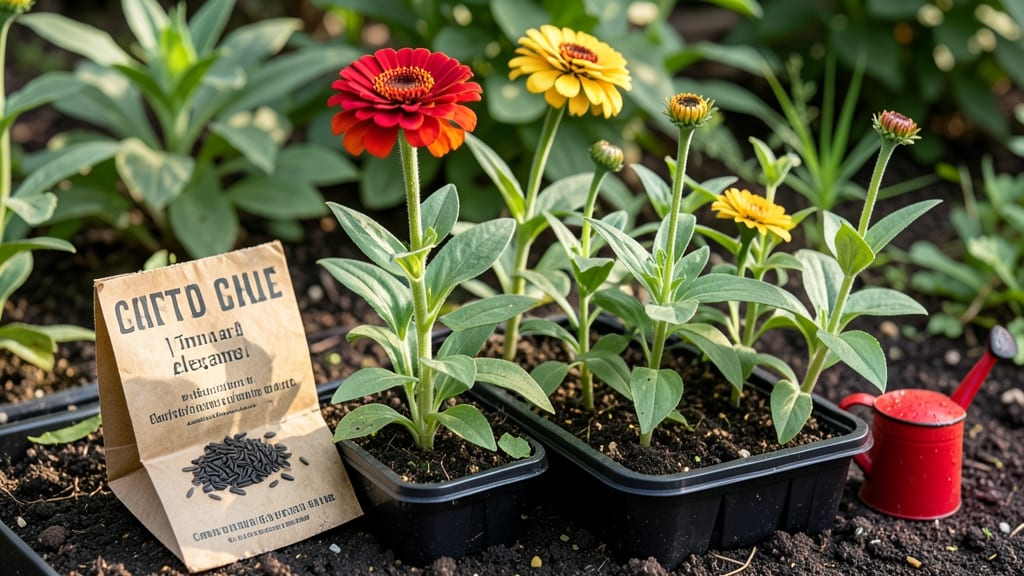
Zinnia seed to flower time: exact days by fastest-blooming varieties
If you're eager to fill your garden with bold zinnia blooms, timing is everything. The seed-to-flower period varies dramatically by variety—some burst into color in just 45 days, while others take nearly 80 days.
Choosing the right type ensures you won't spend summer waiting for those cheerful faces to appear. My fastest-blooming zinnias often grace my garden by early July, while slower varieties follow in August.
Zinnias are annual flowers that thrive in warm weather, making them perfect for summer gardens. The key to faster blooms lies in selecting early-maturing varieties and providing ideal growing conditions. Whether you're a beginner or a seasoned gardener, knowing these timelines helps you plan for continuous color all season long.
Let's dive into the exact bloom times for popular varieties so you can pick the perfect zinnias for your garden.
⚠️ CRITICAL NOTE: These timelines assume ideal conditions—full sun, well-draining soil, and consistent moisture. Poor soil or shade can double bloom times. Always start seeds indoors 4-6 weeks before your last frost date for the fastest results.
The Profusion Series and Thumbelina Series are my top picks for impatient gardeners—they deliver bright blooms in under 55 days. These dwarf varieties are perfect for containers and small spaces, while still attracting butterflies and bees like their taller cousins.
I've even seen Thumbelina zinnias bloom in just 42 days when started indoors under grow lights.
If you're dreaming of dramatic cut flowers, the Zahara Series is worth the wait—its deep, velvety blooms take slightly longer but create stunning arrangements. For classic garden beauty, Benary's Giant zinnias are unmatched, though they need staking or support
How to speed up zinnia growth: proven tips for faster blooms
Zinnias are one of the fastest-growing annuals, but even they need the right conditions to reach their 60–80-day bloom time efficiently. The key to speeding up growth lies in mimicking their natural habitat—bright sunlight, well-draining soil, and consistent moisture.
Many gardeners accidentally slow down their zinnias by overcrowding seedlings or planting too late in the season.
Start by choosing a fast-maturing variety like 'Profusion' or 'Crystal,' which can bloom in as few as 45–55 days under ideal conditions. These varieties are bred for quick results, making them perfect for impatient gardeners eager to see color.
Pairing the right variety with proper care can cut weeks off your seed-to-flower timeline.
- Overcrowding seedlings – Leaves compete for sunlight, delaying blooms by 2–3 weeks.
- Planting too deep – Burying seeds more than ¼ inch can rot them before sprouting.
- Inconsistent watering – Drought stress or soggy soil both slow root development.
Fix these issues early, and you’ll see noticeable growth acceleration within 10 days.
For maximum speed, plant zinnias in full sun (6+ hours daily) and prepare the soil with compost or aged manure to boost nutrient availability. Zinnias thrive in sandy loam, which drains quickly but retains enough moisture to prevent stress.
A soil test can reveal if your garden lacks phosphorus or potassium, two nutrients critical for fast blooming.
Water zinnias at the base of the plant in the morning to avoid fungal diseases like powdery mildew, which can set back growth by weeks. Overhead watering keeps foliage damp, creating ideal conditions for pathogens.
Aim for 1–1.5 inches of water per week, adjusting for rainfall. Drip irrigation is ideal—it delivers water directly to roots without wetting leaves.
Thin seedlings to 12–18 inches apart (depending on variety) once they develop 2–3 true leaves. This reduces competition and allows each plant to focus energy on stem and flower production.
Many gardeners skip thinning, thinking it’s too much work, but this simple step can shave 10–14 days off your bloom timeline.
Finally, fertilize lightly with a balanced 5-10-10 formula when seedlings are 4–6 inches tall. Too much nitrogen early on encourages leafy growth at the expense of flowers.
Instead, prioritize phosphorus-rich fertilizers to promote root and bloom development. Stop fertilizing 6–8 weeks before your first frost to let plants harden off naturally.
With these adjustments, you’ll transform your zinnias from slow starters to fast, vibrant bloomers in record time. The payoff? A garden bursting with color weeks ahead of schedule! 🌼