
Propagation
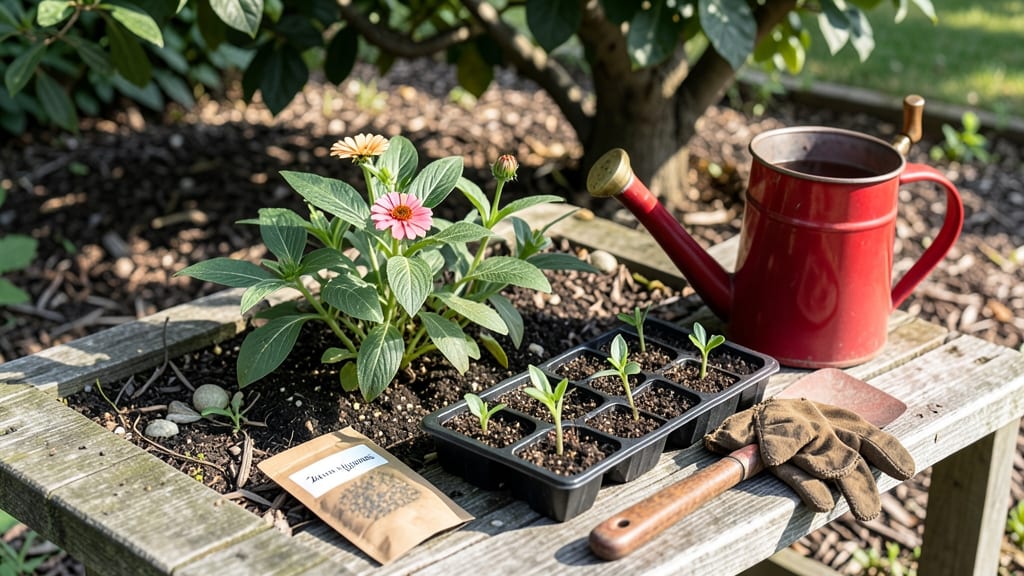
Growing zinnias from seed outdoors rewards you with vibrant blooms in just 60 days—no greenhouse needed. 🌻 I’ve grown them from seed for years, and the secret is timing: plant after your last frost when soil warms to 60°F, and those seeds pop up faster than you’d expect.
The first flush of color arrives before you know it, turning your garden into a nonstop showstopper.
You’ll need full sun (6+ hours daily), loose soil mixed with compost, and patience—zinnias sprout in 7-14 days if kept consistently moist. The key is spacing: 6-12 inches apart for dwarf varieties, 18 inches for tall ones.
Too crowded, and you’ll fight for blooms; too sparse, and they flop over like drunk ballerinas. (Yes, I’ve seen it all.)
Once up, water at the base (not overhead) to avoid fungal issues, and watch those bold blooms open like fireworks. Deadhead spent flowers to encourage more, and you’ll have nonstop color from summer until frost. Even my black thumb can’t kill these—just don’t let them dry out, and they’ll thrive.
Works in any sunny spot, from borders to containers, and attracts pollinators like crazy. Here’s how to skip the common pitfalls and get showy results every time—no fuss, just flowers.
📚 In This Guide
- What you need
- Instructions
- Tips and common mistakes
- Wrapping up and next steps
What you need
- ● Zinnia seeds: Choose heat-loving varieties like 'Benary’s Giant' or 'Profusion' (1-2 packets, ~200 seeds total).
- ● Well-draining soil: A mix of potting soil (for starting) or garden soil (for transplanting).
- ● Containers: Seed-starting trays (with drainage holes) OR
- ● Small pots (3-4 inches deep) or biodegradable peat pots (1-2 per seedling).
- ● Garden space: A sunny spot (6+ hours of sunlight daily) with loamy, well-draining soil (amend with compost if needed).
- ● Watering can or spray bottle: For gentle hydration (avoid oversaturating seeds!).
- ○ Fertilizer (optional but helpful): Balanced 10-10-10 or 5-5-5 granular fertilizer (1 tbsp per plant at transplanting).
- ● Fish emulsion or compost tea (for organic boosts).
- ● Row cover or shade cloth: Protects young seedlings from harsh sun or pests (use if planting early).
- ● Plant labels: Mark varieties if growing multiple types (toothpicks + masking tape work too!).
- ● Pruning shears: For deadheading spent blooms (encourages more flowers!).
- ● Mulch: Straw or shredded leaves to retain moisture and suppress weeds.
Step-by-step instructions for growing zinnias from seed outdoors
Here's how to transform a handful of seeds into a riot of bold blooms in just two months.
🌱 Step 1: Start Seeds Directly in Warm Soil
Zinnias thrive when sown directly outdoors after your last frost date, when soil temperatures reach a steady 60°F. I wait until nighttime lows stay above 50°F—cold soil slows germination and can rot delicate seedlings. Choose a sunny spot with at least 6 hours of direct sun daily—zinnias reward light with bigger, brighter blooms.
Use a trowel to scratch a ¼-inch deep furrow in well-draining soil. Scatter seeds 6-8 inches apart—they germinate quickly and don't need thinning. Cover lightly with soil, then mist gently until the surface feels damp but not soggy. A light mulch of ¼-inch compost helps retain moisture and suppresses weeds without smothering emerging seedlings.
☀️ Step 2: Provide Consistent Moisture and Sun
Water seeds once daily until germination, keeping the soil surface consistently moist. You'll see tiny green sprouts in 7-14 days—watch for the first true leaves (the second set after the initial cotyledons) to appear. Once seedlings emerge, reduce watering to every 2-3 days, allowing the top inch of soil to dry between waterings. Overwatering causes damping-off, a fungal disease that collapses stems overnight.
Position a sunlight meter near your zinnias to confirm they receive full sun. If leaves yellow or stems stretch excessively, move plants to a sunnier location. Zinnias grown in partial shade produce fewer blooms and weaker stems. A reflective mulch like white gravel can help bounce extra light to shaded edges of the bed.
✂️ Step 3: Deadhead and Fertilize for Continuous Blooms
When zinnias produce their first buds, deadhead spent blooms weekly by pinching off flowers just above the next set of leaves. This encourages the plant to redirect energy into new growth instead of seed production. I use clean pruners for larger stems and simply pinch smaller blooms with my fingers—no tools required. Regular deadheading extends the blooming season by 4-6 weeks and keeps plants bushier.
Feed zinnias with a balanced 10-10-10 fertilizer every 4-6 weeks during the growing season. Mix 1 tablespoon per plant into the soil at the base, then water deeply to distribute nutrients. Avoid high-nitrogen fertilizers—they produce lush foliage but fewer flowers. A slow-release granular fertilizer applied at planting time provides steady nutrition without the risk of overfeeding.
🌿 Step 4: Support Tall Varieties and Prevent Pests
Taller zinnia varieties like 'Benary's Giant' may need staking to prevent flopping in wind or rain. Install 3-foot bamboo stakes at planting and loosely tie stems with soft garden twine as they grow. Avoid tight binding—zinnias grow quickly and need room to expand. If you notice stems leaning, adjust the twine gently to guide growth without restricting it.
Watch for spider mites and aphids, which thrive on zinnias' tender foliage. I spray plants with a soapy water solution (1 tablespoon mild dish soap per gallon of water) every 10 days as a preventative measure. For severe infestations, remove affected leaves immediately and treat with neem oil. Healthy zinnias grown in full sun rarely suffer from pests, so strong plants are your best defense.
Tips & tricks for perfect zinnia growth
Here's what I've learned from years of growing zinnias—these tricks will help you avoid common pitfalls and get the most vibrant blooms possible.
Soil Temperature Secret: The 60°F soil temperature requirement isn't just about warmth—it's about consistency. Use a soil thermometer to check temperatures at different times of day. If your soil fluctuates below 50°F, consider using black plastic mulch to absorb and retain heat. I've found that zinnias planted in warmed soil germinate in just 5-7 days, while cooler soil can double that time.
Germination Timing: Those 7-14 days for sprouting can feel like an eternity, but there's a trick to speed things up. After planting, cover the area with clear plastic wrap (not touching the soil) to create a mini greenhouse effect. Remove it once you see sprouts—this can cut your wait time by 2-3 days. Just be sure to remove it during the day to prevent overheating.
Watering Wisdom: The transition from daily watering to every 2-3 days is critical. I've learned the hard way that zinnias hate soggy roots—overwatering leads to damping-off, which kills seedlings overnight. Water in the morning so leaves have time to dry, and always check the top inch of soil before watering again. A moisture meter is worth its weight in gold for this step.
Sunlight Strategy: Zinnias are sun worshippers, but not all sun is equal. If you notice your plants stretching toward light (a sign of etiolation), it's time to move them. I keep a small sunlight meter near my garden beds and reposition zinnias if readings drop below 6 hours of direct sun. For container growers, place plants on a sunny windowsill or use grow lights for 12-14 hours daily during short days.
Pro Tips for Growing Zinnias From Seed Outdoors
- Here's what I've learned from years of growing zinnias—these tricks will help you avoid common pitfalls and get the most vibrant blooms possible.
- Soil Temperature Secret: The 60°F soil temperature requirement isn't just about warmth—it's about consistency.
- Germination Timing: Those 7-14 days for sprouting can feel like an eternity, but there's a trick to speed things up.
Frequently asked questions
Got questions about growing zinnias from seed? You’re not alone! Here are answers to the most common concerns—from timing to troubleshooting—so you can dive in with confidence.
When is the best time to plant zinnia seeds outdoors?
Plant zinnia seeds directly outdoors after the last frost when soil temperatures reach at least 60°F (15°C). In most climates, this means late spring (April–June). Zinnias hate cold soil, so avoid early planting—waiting ensures faster germination and stronger blooms!
How long does it take for zinnia seeds to germinate?
Zinnia seeds typically germinate in 5–10 days under ideal conditions (warm soil, consistent moisture, and sunlight). If they take longer, check for overwatering (which can rot seeds) or poor soil contact. A quick tip: Press seeds lightly into soil—no need to bury deep!
Why aren’t my zinnia seeds sprouting?
Common culprits include cold soil, dry conditions, or old seeds (zinnias lose viability after 2–3 years). Try this: Soak seeds overnight in warm water, then replant. If still no luck, test soil moisture—zinnias need consistent dampness (not soggy) to sprout.
What pests or diseases should I watch for with zinnias?
Zinnias attract Japanese beetles, aphids, and powdery mildew in humid climates. Prevent issues by:
- Spraying leaves with neem oil (organic pest control).
- Ensuring 6–12 inches of spacing for airflow.
- Removing dead blooms to reduce mildew risks.
Can I grow zinnias from seed indoors first?
While zinnias can be started indoors 4–6 weeks before the last frost, they’re easy to direct-sow outdoors—no fuss required! If you prefer indoor starts, use biodegradable pots to avoid transplant shock. Just remember: Zinnias hate being moved, so handle seedlings gently.
How do I keep zinnias blooming all season?
Deadhead spent blooms daily (or every few days) to encourage nonstop flowers. Also:
- Fertilize lightly with balanced 10-10-10 when seedlings emerge.
- Water at the base (not leaves) to avoid mildew.
- Pinch back young plants to promote bushiness.
Wrapping up and next steps
Growing zinnias from seed outdoors is a rewarding, low-maintenance adventure that delivers stunning blooms in just 60 days—no green thumb required!
With the right timing, soil prep, and a little patience, you’ll enjoy vibrant flowers that attract pollinators and brighten up your garden. Now that you’re armed with tips and tricks, why not start your seeds this season?
Grab your supplies, mark your calendar, and watch your outdoor space transform into a burst of color! 🌸