
Lawn
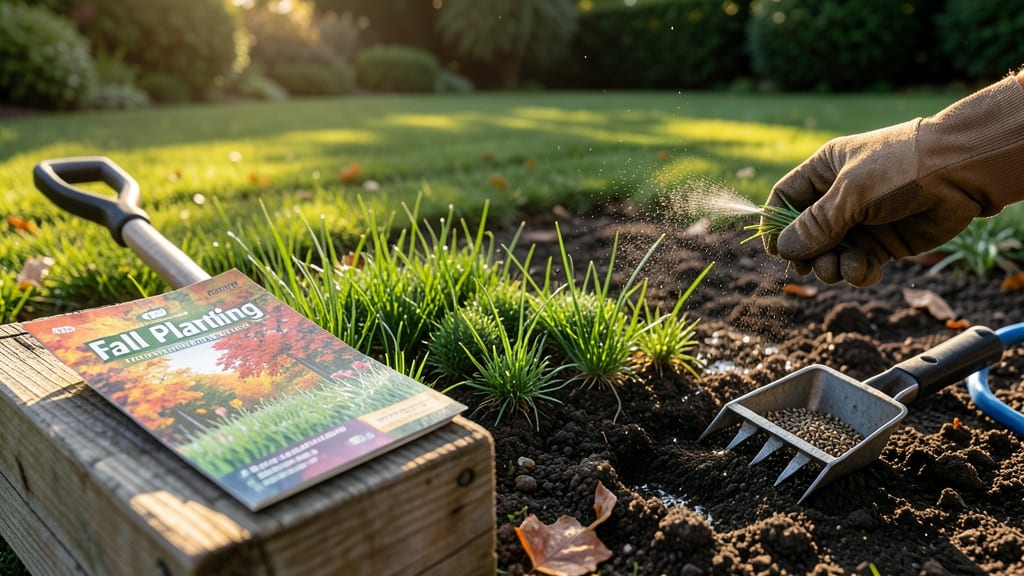
Fall seeding isn't just possible—it's often the best time to grow grass seed, especially in cooler climates. 🌱 I’ve seen bare patches transform into lush lawns by spring when planted in September or October, thanks to fewer weeds and ideal soil temperatures. The key?
Choosing cold-hardy varieties like fescue or ryegrass that thrive when days grow shorter. The secret lies in timing: aim for 4-6 weeks before your first frost, when soil stays above 50°F but nights cool down. This gives seedlings time to establish roots before winter slows growth.
Spring planting races against weeds and heat stress, but fall lets grass focus on root development without competing for sunlight. You’ll end up with a thicker, greener lawn next spring because fall seedlings avoid summer’s heat shock.
Watering deeply 2-3 times a week (about 1 inch total) keeps soil moist without drowning roots—critical when rain becomes unpredictable. Works for most U.S. regions outside the Deep South, though southern gardeners should plant in late summer instead. Here’s how to nail the timing and prep for your zone.
📚 In This Guide
- What you need
- Instructions
- Tips and common mistakes
- Wrapping up and next steps
What you need
- ● Cold-hardy grass seed: Choose a cool-season variety (e.g., tall fescue, Kentucky bluegrass, or perennial ryegrass). Aim for 5–10 lbs per 500 sq ft, depending on your lawn’s condition.
- ● Lawn mower or string trimmer: Set the blade height to 2–3 inches to avoid scalping the soil.
- ● Rake (bow or leaf rake): Use a heavy-duty model to loosen soil and remove debris. A dethatching rake helps if your lawn has a thick thatch layer.
- ● Garden hose or sprinkler: Ensure even moisture—fall seeding requires 1–1.5 inches of water per week (including natural rainfall).
- ● Compost or organic fertilizer: A low-nitrogen blend (5-10-10) promotes root growth without burning new seedlings.
- ○ Soil test kit (optional but recommended): Check pH levels (ideal: 6.0–7.0) and adjust with lime or sulfur if needed.
- ● Starter fertilizer: Blends like 10-20-20 give seedlings a phosphorus boost for faster root establishment.
- ● Seed spreader (broadcast or drop): Ensures even coverage—critical for high-traffic areas.
- ● Mulching hay or straw: Lightly cover seeds (¼ inch max) to retain moisture and deter birds.
- ● Lawn roller (lightweight): Gently press seed into soil for better soil-to-seed contact.
- ● Weed blocker or pre-emergent herbicide: Apply after seeding to prevent weeds (choose seed-safe options).
How to successfully grow grass seed in the fall
Fall planting gives grass a strong head start before winter—here's how to make the most of it.
🌱 Step 1: Choose the Right Grass Seed Variety
Not all grass seeds thrive in cooler weather. Look for cold-hardy varieties like tall fescue, fine fescue, or perennial ryegrass, which are specifically bred to germinate in temperatures between 50-65°F. Avoid warm-season grasses like Bermuda or Zoysia—they won’t establish before winter.
Check the seed packet for a fall planting zone recommendation. If you’re in the Northern U.S., cool-season grasses will grow well until the ground freezes. In the South, you might still get 6-8 weeks of growth before winter slows things down. I always double-check the recommended planting window to avoid disappointment.
🌿 Step 2: Prepare the Soil Before Planting
Fall is ideal for soil prep because the ground stays workable longer than in spring. Loosen the top 4-6 inches of soil with a rake or tiller to create a fine, crumbly texture. Remove any debris, rocks, or weeds—competition will stunt your new grass.
Test the soil pH and adjust if needed. Most cool-season grasses prefer a pH between 6.0 and 7.0. If your soil is too acidic, add dolomitic lime 4-6 weeks before planting. A soil test kit costs a few dollars and saves you from guessing. I spread the lime evenly and water it in before planting.
💧 Step 3: Plant the Seed at the Right Depth and Time
Sow the seed ¼ inch deep—any deeper, and it won’t get enough moisture or air to germinate. Use a broadcast spreader for even coverage, then lightly rake the soil to bury the seeds without compacting them. Aim to plant 4-6 weeks before your first hard frost—this gives seedlings time to establish roots before winter.
Water immediately after planting to settle the seed into the soil. Keep the surface moist (not soggy) until germination, which typically takes 7-21 days, depending on temperature. I set up a gentle sprinkler on a timer for 10 minutes twice daily to maintain even moisture without overwatering.
☀️ Step 4: Maintain Moisture and Light for Germination
New grass needs consistent moisture to germinate. Water lightly but frequently—the soil should stay damp but not waterlogged. You’ll know you’re doing it right when the top inch of soil feels cool to the touch but doesn’t puddle. Avoid heavy watering, which can wash away seeds or create crusting on the soil surface.
Keep the area free of foot traffic until you see 2-3 inches of new growth. This usually takes 3-4 weeks after planting. If birds or squirrels start pecking at the seeds, cover the area with biodegradable netting until germination is complete. I’ve lost entire patches to hungry wildlife—don’t skip this step!
⏰ Step 5: Transition to Winter Care
Once the grass reaches 3-4 inches tall, reduce watering to once a week unless there’s no rain for 10+ days. Fall is about establishing roots, not leaf growth. Fertilize lightly with a slow-release, high-nitrogen formula to encourage root development without promoting tender top growth that won’t survive winter.
Stop mowing when growth slows in late fall. Grass needs time to harden off before winter. In colder climates, a thin layer of mulch (like straw) can protect seedlings from freezing and thawing cycles. I always leave the grass slightly taller going into winter—it acts as insulation for the crown.
Tips & tricks for perfect fall grass establishment
Fall planting isn't just possible—it's ideal when you know the right tricks to beat the clock. Here's how to maximize your late-season success.
Variety Selection: Beyond cold-hardy varieties like tall fescue, consider mix blends that combine fine fescue with perennial ryegrass. The ryegrass germinates faster (7-10 days) while the fescue provides long-term durability. I've found that blends often outperform single varieties in fall planting because they create a more resilient stand when winter arrives. The key is checking for fall planting labels on seed packets—these indicate varieties specifically bred for cooler germination.
Soil Prep Timing: The 4-6 weeks before planting dolomitic lime is critical, but don't rush this step. Soil pH adjustment takes time—especially in clay soils. I recommend testing your soil again 2 weeks before planting to confirm the pH is in that 6.0-7.0 range. If you're short on time, use a quick-acting lime (like pelletized lime) which works faster than garden lime. Remember, you can't over-prep soil in fall, but you can certainly under-prep it.
Germination Monitoring: Those 7-21 days for germination can feel like an eternity, but there are visual cues to track progress. After about 10 days, gently press your finger into the soil—if you see tiny sprouts emerging when you lift the soil, germination has started. For precise tracking, mark a 1-foot square with stakes and count sprouts daily. This helps you adjust your watering schedule immediately when you see the first signs of life.
Winter Protection Strategy: When leaving grass slightly taller for winter, aim for 3-4 inches at the base before the first frost. This height provides insulation while still allowing sunlight penetration. In areas with freeze-thaw cycles, consider adding a straw mulch layer (1-2 inches) after the ground freezes. I've seen lawns survive harsh winters with this protection, while unprotected areas often suffer from heaving and damage. The mulch should be removed in early spring once consistent warmth returns.
Pro Tips for Will Grass Seed Grow In The Fall
- Fall planting isn't just possible—it's ideal when you know the right tricks to beat the clock.
- Variety Selection: Beyond cold-hardy varieties like tall fescue, consider mix blends that combine fine fescue with perennial ryegrass.
- Soil Prep Timing: The 4-6 weeks before planting dolomitic lime is critical, but don't rush this step.
Frequently asked questions
Got questions about seeding your lawn in the fall? You’re not alone! Here are some of the most common concerns—and their answers—to help you get started with confidence.
Can grass seed still grow if I plant it too late in the fall?
Most grass seeds need at least 6–8 weeks of warm soil and cool air to germinate before winter sets in. If you’re in a colder climate (like Zone 4 or 5), aim to seed by mid-to-late September. In warmer zones (Zones 6–10), you can push it until October or early November. If you miss the window, wait until spring—just be patient!
Will frost kill newly seeded grass before it takes root?
Frost alone won’t kill grass seed, but hard freezes or prolonged cold can stunt germination. Choose cold-hardy varieties (like tall fescue or perennial ryegrass) and cover seeds lightly with straw or mulch for insulation. If frost hits early, water thoroughly before the first freeze to encourage root establishment. Most seeds survive light frosts as long as the soil isn’t frozen solid.
How often should I water grass seed planted in the fall?
Keep soil consistently moist (not soggy!) for the first 2–3 weeks after seeding. Water lightly 2–3 times daily (early morning is best) to prevent crusting. Once sprouts appear, reduce to 1–1.5 inches per week, including rainfall. Avoid overhead watering at night to prevent fungal issues.
Can I overseed an established lawn in the fall, or should I reseed bare spots?
Both work! For overseeding, mow short (1–1.5 inches), rake to loosen soil, and spread seed evenly. For bare spots, remove debris, loosen soil with a rake, and top-dress with compost. Fall is ideal for both—just ensure good seed-to-soil contact. If your lawn is thick, overseeding thins it out, so spot-seeding may be better for sparse areas.
What’s the best grass seed for fall planting in my region?
Your climate dictates the best choice:
- Cool climates (Zones 3–6): Tall fescue, fine fescue, or Kentucky bluegrass (hardy, drought-tolerant).
- Warm climates (Zones 7–10): Bermuda, Zoysia, or Buffalo grass (heat- and drought-resistant).
- Transition zones (Zones 6–7): Perennial ryegrass (fast germinating, cold-hardy).
Wrapping up and next steps
Fall is absolutely the right time to grow grass seed! 🌱 With the right cold-hardy varieties, proper soil prep, and a little patience, you can enjoy a lush lawn by spring—or even earlier. The cooler temperatures and consistent moisture create ideal conditions for germination, while avoiding the harsh summer heat and pests.
Now that you’re armed with the know-how, roll up your sleeves and get planting! Start by testing your soil, choose the best seed for your climate, and follow the steps to ensure a thriving lawn.
Before you know it, you’ll be the envy of the neighborhood with that perfectly green turf. Happy seeding! 🌿