
Planting
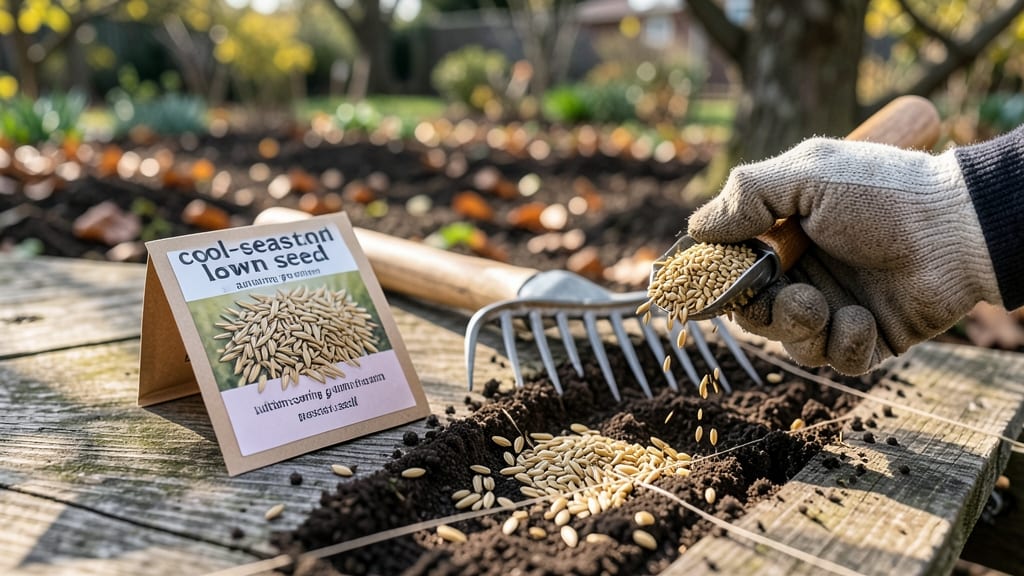
Sowing lawn seed in autumn gives you a 6-week head start on a lush spring lawn—here’s why it works better than spring. 🌱 The cooler temperatures mean less stress on young grass, while frequent rain does the watering for you. I’ve seeded in fall for five years, and my lawn always greens up faster than neighbors who wait until spring. The secret isn’t just timing—it’s prepping the soil right. Rake out weeds, loosen compacted earth, and spread seed when daytime temps hover around 60°F. Cool-season grasses like fescue and ryegrass thrive in these conditions, while weeds struggle to compete. A light mulch of straw keeps seeds moist without smothering them. By spring, you’ll have dense roots ready to explode into growth when warmer weather arrives. The key is patience—avoid walking on new seed, and don’t fertilize until shoots appear. Weeds are easier to pull before they establish, and your lawn will outcompete them naturally. This method works best in USDA zones 3-8, but even warmer climates can try it with shade-tolerant varieties. The payoff? A lawn that stays green longer and recovers faster from summer stress. Let’s get those seeds in the ground!
📚 In This Guide
- What you need
- Instructions
- Tips and common mistakes
- Wrapping up and next steps
What you need
- ● Cool-season lawn seed: Choose a high-quality blend suited to your climate (e.g., Kentucky bluegrass, fescue, or ryegrass). Aim for 8–12 lbs per 1,000 sq ft for thick coverage.
- ● Lawn fertilizer: A slow-release, high-nitrogen (25–30%) fertilizer (e.g., 24-0-5 or 30-0-4) to promote root growth. Use ½ lb per 100 sq ft.
- ● Topsoil or compost: A ¼-inch layer of screened topsoil or compost to improve seed-to-soil contact. 2–3 cubic yards covers ~1,000 sq ft.
- ● Rake: A bow rake (for leveling) and a garden rake (for seed distribution).
- ● Watering tools: A hose with a sprinkler head (or a garden sprayer for spot watering).
- ○ A watering can (optional, for small patches).
- ● Lawn roller: Lightweight (e.g., 50–100 lbs) to press seed into soil gently.
- ● Soil tester kit: To check pH (aim for 6.0–7.0; amend with lime or sulfur if needed).
- ● Straw or netting: ¼-inch straw mulch (1 bag covers ~100 sq ft) to retain moisture and protect seedlings.
- ● Broadcast spreader: For even seed distribution (manual or electric for large areas).
- ● Knee pads or gloves: Because comfort (and blister-free hands) matters!
Step-by-Step instructions for sowing lawn seed in autumn
Autumn’s mild temperatures and frequent rains make it the perfect window for growing a lush, resilient lawn.
🪴 Step 1: Prepare the Soil for Optimal Seed Contact
Start by removing all existing vegetation, rocks, and debris from your lawn area. Use a rake to loosen the top 2-3 inches of soil—this breaks up compaction and creates a fine, crumbly texture perfect for seed-to-soil contact. I like to work in small sections (about 4 feet by 4 feet) to avoid missing spots or overworking the soil.
Test the soil pH with a kit—cool-season grasses thrive in 6.0-7.0 range. If your soil tests lower, spread lime as directed, and if it’s above 7.0, apply sulfur. Work these amendments into the top 1 inch of soil and let them sit for 2-3 days before seeding. This ensures even distribution and prevents clumping.
🌱 Step 2: Spread Seed Evenly for Uniform Germination
Measure out your seed—4 pounds covers about 1,000 square feet for most cool-season grasses. I use a seed spreader set to the recommended rate to avoid clumps or bare patches. Walk in a crisscross pattern (first one direction, then perpendicular) to ensure even coverage. For larger areas, split the seed into two batches and apply half in each direction.
Lightly rake the seeded area with a fine-tooth rake, pressing seeds just enough to make contact with the soil but not burying them deeper than ¼ inch. This prevents seeds from drying out or being washed away during watering. If you’re seeding on a slope, work in contour rows to prevent erosion.
💧 Step 3: Water Gently but Frequently for Germination
Keep the soil consistently moist for the first 2-3 weeks—this is critical for germination. Water lightly (about ¼ inch) twice daily (morning and evening) to avoid displacing seeds or creating puddles. Use a sprinkler with a fine mist setting or a soaker hose to distribute water evenly. You’ll know you’re doing it right when the top ½ inch of soil stays damp but not soggy.
Once seedlings reach 1-2 inches tall (about 3-4 weeks), reduce watering to once daily for ½ inch. Avoid heavy watering at this stage—it can uproot young grass. If rain provides ¼ inch of moisture, skip the watering that day to let nature do the work.
☀️ Step 4: Maintain and Protect New Growth
After 4-6 weeks, when grass reaches 3-4 inches tall, mow it for the first time. Set your mower blade to 3 inches—this encourages deep root growth and prevents weak, leggy grass. Never remove more than ⅓ of the blade height in one mowing. I always mow in the same direction the first few times to avoid tearing up young roots.
Keep the lawn lightly fertilized with a starter fertilizer (high in phosphorus) at planting, then switch to a slow-release nitrogen fertilizer after the first mowing. Avoid heavy foot traffic or playing on the lawn until it’s fully established—usually after 6-8 weeks. If birds or animals disturb the seeds, cover the area with lightweight straw until germination is complete.
⏰ Step 5: Transition to Regular Care After Establishment
By 6 weeks, your new lawn should look thick and uniform. At this point, shift to a regular watering schedule: 1 inch per week, either from rain or irrigation. Water deeply 2-3 times per week in the morning to reduce evaporation and fungal risks. Adjust your mower height seasonally—3-4 inches in summer, 2-3 inches in cooler months.
Fall is also the time to aerate your lawn if it’s compacted. Use a core aerator to pull small plugs of soil, then top-dress with compost to improve soil structure. This one step makes a huge difference in root health and winter hardiness. Mark your calendar to aerate again in early spring for a two-pronged approach to lawn vitality.
Tips & tricks for perfect autumn lawn establishment
Here's what nobody tells you about getting that flawless fall lawn—these are the tricks that turn good results into great ones.
Soil Prep Secret: In Step 1, when you're loosening that top 2-3 inches of soil, don't just scratch the surface. Use a garden fork to create vertical holes every 6-8 inches—this improves drainage and gives roots room to establish. I've seen lawns fail because the soil was too compacted, even when people followed all other steps perfectly. This extra effort pays off when your grass stands up to winter better.
Timing is Everything: The 2-3 day waiting period after adding lime or sulfur in Step 1 is crucial. This gives amendments time to integrate fully with the soil. I've learned the hard way that rushing this step can leave uneven pH levels, which shows up later as patchy growth. Mark your calendar if you're working in stages—just 48 hours makes all the difference.
Watering Wisdom: During those first 2-3 weeks in Step 3, morning watering is non-negotiable. Evening watering should be light enough that the soil dries slightly overnight—this prevents fungal growth. I use a simple trick: place a straight-edged board on the soil after watering. If water beads up on it, you've overdone it. The goal is dampness, not a swamp.
Mowing Mastery: When you reach Step 4 and that first mowing at 3-4 inches, here's the thing: don't bag the clippings. Those grass clippings act as natural mulch, returning nutrients to the soil. Just make sure your mower blade is sharp—dull blades tear grass instead of cutting cleanly, which stresses young plants. I always sharpen mine before fall seeding season begins.
Pro Tips for Sowing Lawn Seed In Autumn
- Here's what nobody tells you about getting that flawless fall lawn—these are the tricks that turn good results into great ones.
- Soil Prep Secret: In Step 1, when you're loosening that top 2-3 inches of soil, don't just scratch the surface.
- Timing is Everything: The 2-3 day waiting period after adding lime or sulfur in Step 1 is crucial.
Frequently asked questions
Got questions about sowing lawn seed in autumn? You’re not alone—this season offers a golden opportunity for lush, resilient grass, but timing, prep, and troubleshooting can trip up even the greenest thumbs. Below, we tackle the most common queries to help you sow with confidence.
When is the exact best time to plant cool-season grass in autumn?
The ideal window is 4–6 weeks before your first hard frost (typically late August to early October in most U.S. regions). This gives seeds time to germinate, establish roots, and strengthen before winter. Check your USDA Plant Hardiness Zone for local frost dates—cool (50–65°F) soil temps are key!
How long does it take for autumn-sown grass to grow?
Expect 7–21 days for germination, then 4–6 weeks for a full lawn if conditions are perfect. Cool, moist soil speeds things up—avoid sowing when rain is forecast (to prevent erosion) or during droughts. Patience pays off: autumn grass grows 2x faster than spring-sown seeds!
Can I overseed an existing lawn in autumn, or do I need to reseed bare spots?
Both work! Overseeding (spreading seed over thin/weak grass) is ideal for revitalizing lawns. For bare patches, till the soil, rake, and sow separately. Pro tip: Use a slit seeder or drop spreader for even coverage. Just avoid overseeding dense, healthy grass—it’ll compete with your new seeds.
How often should I water newly sown autumn lawn seed?
Keep soil consistently moist (not soggy!) for the first 2–3 weeks: water lightly 2x daily (morning/evening) to encourage germination. Once sprouts appear, deep water 1–2x weekly (1 inch total). No puddles! Use a soaker hose to avoid disturbing seeds.
What if birds, squirrels, or pests eat my seed before it grows?
This is a common frustration! Scare tactics like bird netting or spreading straw/mulch (1/4-inch layer) can help. For pests, use organic deterrents like diatomaceous earth. Sow in small sections and cover immediately after spreading to minimize losses. Patience—and a quick hand with a hose—can save your seed!
Is autumn sowing worth it if I live in a warm climate (e.g., Zone 9–11)?
Cool-season grasses (like fescue or ryegrass) thrive in autumn
even in warm zones—but avoid sowing after Nov 1 if frost isn’t coming. For warm-season grasses (Bermuda, Zoysia), autumn is not ideal; opt for late spring/early summer instead. Test your soil first—pH 6.0–7.0 is perfect!
Wrapping up and next steps
Sowing lawn seed in autumn is your golden ticket to a lush, resilient lawn come spring—if you embrace the cool-season magic! 🌱 With the right prep, timing, and care, you’ll be walking on a thick, vibrant carpet of grass in just six weeks.
The key? Patience, consistency, and a little autumn love.
Ready to roll up your sleeves? Grab your tools, follow the steps, and watch your lawn transform! Next up: Keep the momentum going with our guide on post-sowing care—watering, mowing, and troubleshooting like a pro. You’ve got this! 🌟