
Lawn
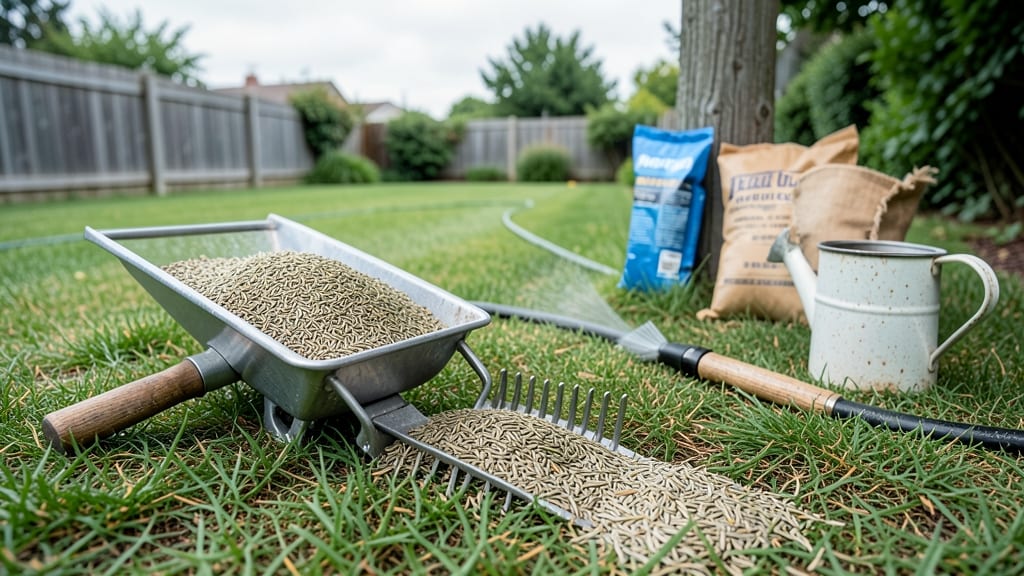
Putting grass seed down in fall is the secret weapon for a lawn that outlasts summer weeds. 🌱 When you plant grass seed in the fall, cooler temps and steady rain give new roots a fighting chance before winter sets in—no more struggling with heat-stressed seedlings or drought-prone starts. I’ve seen bare patches transform into thick, weed-resistant turf in just 30 days when done right.
The key is timing: aim for 4-6 weeks before your first frost, when soil stays warm enough for germination but nights cool down.
Most regions get this window between mid-September and early October, but check your local frost dates—planting too early means battling summer weeds, and too late risks winter kill. A simple soil test and light raking prep work wonders.
You’ll end up with a lawn that greens up earlier in spring, handles foot traffic better, and crowds out weeds before they take hold. The secret?
Choosing cool-season grasses like tall fescue or Kentucky bluegrass, keeping soil moist (not soggy), and a light mulch of straw to protect seeds from birds and drying winds.
This method works for both small patches and full lawns, whether you’re fixing bare spots or starting fresh. Here’s how to make it happen without the guesswork—no green thumb required.
📚 In This Guide
- What you need
- Instructions
- Tips and common mistakes
- Wrapping up and next steps
What you need
- ● Grass seed: Choose a cool-season variety (e.g., Kentucky Bluegrass, Fescue, or Ryegrass) for fall planting. Quantity: 4–8 lbs per 1,000 sq ft (follow package instructions for exact rates).
- ● Lawn starter fertilizer: Look for a high-phosphorus blend (e.g., 20-20-5 or 10-20-10). Quantity: 1–2 lbs per 1,000 sq ft.
- ● Topsoil or compost: Quantity: Enough to spread a ¼-inch layer over bare spots (1–2 bags per 500 sq ft).
- ● Rake: A bow rake (for leveling) and a garden rake (for seedbed prep).
- ○ Broadcast spreader: For even seed distribution (optional but highly recommended).
- ● Water source: Hose with a gentle spray nozzle or a soaker hose.
- ○ Weed blocker fabric: (Optional but helpful for weed-prone areas). Quantity: Enough to cover bare soil before seeding.
- ● Test your soil’s pH level (ideal: 6.0–7.0 for cool-season grasses). Adjust with lime or sulfur if needed.
- ● Clear the area of debris, rocks, and weeds (mow existing grass short if overseeding).
- ● Choose a cool, dry day (50–65°F) for seeding to avoid washing seeds away.
Step-by-Step guide to planting fall grass seed for fast, weed-resistant growth
Fall planting gives grass roots a head start—here’s how to do it right for thick, lush coverage in just 30 days.
🪴 Step 1: Prepare the Soil for Optimal Seed Contact
Start by mowing your lawn as short as possible—about ½ inch tall—to create an even surface for the seed. Remove all debris, rocks, and weeds, then rake the area thoroughly. The goal is bare soil with no obstructions so seeds can make direct contact with the earth. I like to use a stiff-bristle rake to create a slightly rough texture—this helps the seed grip and prevents erosion when watering.
If your soil feels compacted, loosen the top ¼ inch with a garden fork or aerator. Fall’s cooler temperatures mean the soil won’t dry out as fast, so you won’t need to work as hard to keep it moist. Just focus on breaking up any hardpan so roots can push down easily.
🌱 Step 2: Spread Seed Evenly for Uniform Germination
Use a broadcast spreader to distribute the seed evenly across the prepared area. Walk in opposite directions (north-south, then east-west) to avoid overlapping patterns. For a ¼-pound bag of seed, you’ll cover about 500 square feet—double-check the bag’s coverage rate to avoid over- or under-seeding. I always spread a little extra in shady spots, since those areas germinate slower.
After spreading, lightly rake the seed into the soil with a leaf rake—just enough to cover it with ¼ inch of topsoil. This protects seeds from drying out and birds stealing them, but don’t bury them too deep. Seeds need light to trigger germination, so keep the coverage minimal.
💧 Step 3: Water Gently and Consistently for Germination
Water immediately after planting, using a fine mist setting on your hose or sprinkler. Keep the soil evenly moist (not soggy) for the first 10-14 days—this is critical for germination. You’ll know you’re doing it right when the top ½ inch of soil stays damp to the touch but doesn’t puddle. I set a timer for 10-15 minutes every morning and evening to maintain moisture without overwatering.
Once the seedlings reach 1-2 inches tall, you can gradually reduce watering to once daily. Avoid heavy water pressure that washes away seeds or young sprouts. Fall’s cooler air means evaporation is slower, so you won’t need to water as often as in spring or summer.
☀️ Step 4: Protect New Growth from Frost and Weeds
Monitor weather forecasts and cover the seeded area with lightweight straw mulch (about ¼ inch thick) if a hard frost is predicted. This insulates the soil and prevents seed damage. Remove the mulch as soon as temperatures warm up to avoid smothering new growth. I also lay down landscape fabric in high-weed areas to block sunlight from sprouting weeds while still allowing moisture through.
When seedlings hit 3 inches tall, thin them if overcrowded—aim for 1-2 inches between blades for a dense lawn. Pull weeds by hand as soon as they appear, since they compete for nutrients. Fall’s cooler temps slow weed growth, giving your grass a fighting chance to establish itself before winter.
⏰ Step 5: Fertilize Lightly for Strong Root Development
About 4-6 weeks after planting, apply a slow-release, low-nitrogen fertilizer (like a 10-10-10 blend). Fall feeding encourages root growth without promoting excessive top growth, which can weaken before winter. Spread the fertilizer evenly with a spreader, then water deeply to activate it. Avoid high-nitrogen products—they’ll produce tender growth that won’t survive frost.
By 30 days, your new grass should have a solid root system and visible blade density. If you’ve followed these steps, you’ll have a weed-resistant lawn ready to handle winter’s challenges. Keep watering lightly until the ground freezes, and your grass will emerge stronger in spring.
Tips & tricks for perfect fall grass seed planting
Fall planting success comes down to these key details that make all the difference between patchy results and a lush lawn.
Soil Prep Secret: Don't rush Step 1—take time to remove every last weed root and debris. I've seen seeds fail to germinate because of hidden weed roots stealing nutrients. Use a stiff-bristle rake to create tiny grooves in the soil; these tiny channels help water reach seeds more efficiently during those critical first 10-14 days. The rough texture also prevents seeds from washing away during watering.
Seed Distribution Technique: In Step 2, walk in a grid pattern (not just north-south) to catch any missed spots. For larger areas, divide into sections and mark boundaries with stakes. I've learned the hard way that overlapping patterns can create thick patches while leaving gaps. When raking seeds into soil, use a leaf rake at a shallow angle—just enough to cover seeds with that ¼ inch of topsoil, no more. Too much coverage blocks light needed for germination.
Watering Precision: The 10-15 minute watering sessions in Step 3 are non-negotiable. Use a rain gauge or tuna can to measure—you want about ¼ inch of water per session. Early morning watering (before 9am) prevents evaporation, and evening watering (after 5pm) gives seeds time to absorb moisture overnight. If you're using a sprinkler, adjust the pattern so it doesn't create dry spots where seeds might not get enough moisture.
Frost Protection Hack: For Step 4, I keep a roll of lightweight straw mulch handy year-round. When frost warnings come, I spread it immediately—even a light dusting (about ¼ inch) makes a difference. Pro tip: Remove mulch within 24 hours of warm weather to prevent mold growth. In high-weed areas, I've found that landscape fabric works best when secured with small stakes—it blocks sunlight but still allows water penetration through the edges.
Pro Tips for Putting Grass Seed Down In Fall
- Fall planting success comes down to these key details that make all the difference between patchy results and a lush lawn.
- Soil Prep Secret: Don't rush Step 1—take time to remove every last weed root and debris.
- Seed Distribution Technique: In Step 2, walk in a grid pattern (not just north-south) to catch any missed spots.
Frequently asked questions
When is the best time to plant grass seed in the fall?
The ideal window is 4–6 weeks before your first hard frost—typically late August to mid-October in most U.S. regions. Cool temperatures and frequent rain help seeds germinate faster, while avoiding late-season freezes. Check your local frost dates for precision!
Can I overseed my existing lawn, or do I need to start from scratch?
Overseeding works great for thinning or patchy lawns! Lightly rake the area, spread seed, and top-dress with compost. For bare spots, remove weeds, loosen soil, and add a thin layer of starter fertilizer. Both methods thrive in fall—just adjust seed rates slightly for overseeding.
What if weeds pop up after planting? How do I prevent them?
Pre-emergent herbicides (applied before weeds sprout) are your best defense. For existing weeds, spot-treat with vinegar or manual removal before seeding. Use weed-resistant grass seed varieties (like tall fescue or perennial ryegrass) to outcompete invaders naturally.
How often should I water new grass seed in fall?
Keep soil consistently moist (not soggy) for 14–21 days post-planting. Water lightly 2x daily (morning/evening) for 10–15 minutes each. Once sprouts reach 2–3 inches, reduce to 1 inch per week. A sprinkler with a fine mist setting works best.
What if temperatures drop unexpectedly? Can grass seed still grow?
Most cool-season grasses (like Kentucky bluegrass) tolerate light frosts but stall below 35°F (2°C). If frost is forecast, cover seeds with straw or a breathable tarp for insulation. Avoid planting if hard freezes (<32°F/0°C) are expected within 7 days.
Wrapping up and next steps
Fall is the perfect time to plant grass seed—cool temperatures and consistent moisture create ideal conditions for fast, weed-resistant growth in just 30 days! 🌱 By choosing the right seed, prepping your soil, and staying patient, you’ll soon enjoy a lush, vibrant lawn that outshines weeds. Ready to take action?
Your next step? Grab your supplies, mark your calendar, and get planting! With a little effort now, you’ll reap the rewards of a healthy lawn all season long. Happy gardening! 🌿