
Planting
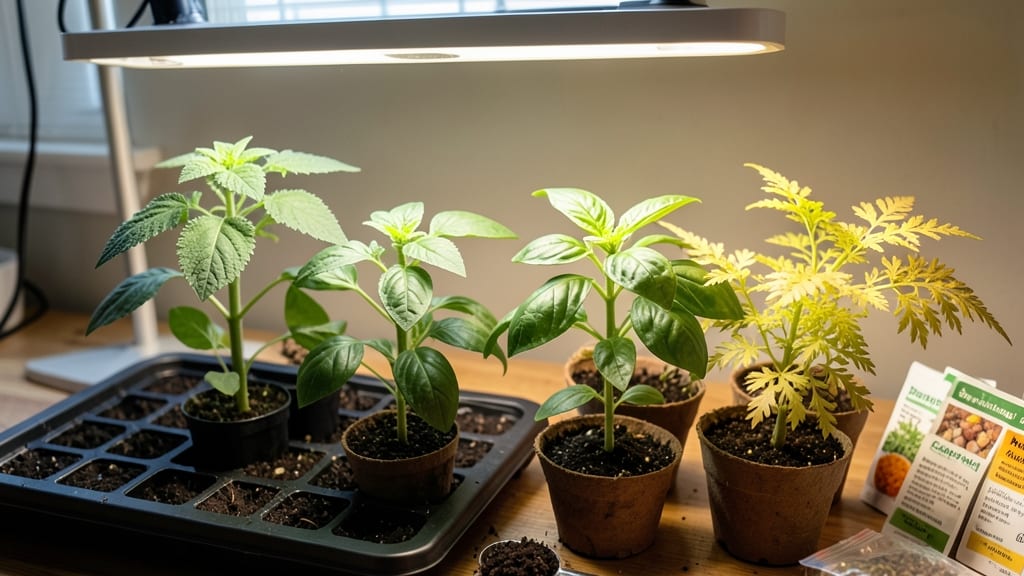
Planting seed starters indoors 4-6 weeks before your last frost is the secret to strong, healthy seedlings ready for transplanting at the perfect time.
Timing is everything in gardening—plant seed starters too early, and they’ll outgrow their containers; too late, and your plants won’t reach maturity before the first frost. Mastering the indoor planting schedule ensures seedlings are sturdy and ready for the garden when conditions are ideal.
In Zone 6a, that means starting most vegetables in late February or early March, with adjustments for fast-growing crops like lettuce versus slow growers like tomatoes. The key is knowing your last frost date and working backward from there.
Below, I’ll break down the exact timeline for your region, common mistakes to avoid, and how to troubleshoot if your seedlings aren’t on track. No more wasted time or leggy, weak plants!
How to calculate your seed starter planting timeline by last frost date
Determining the perfect time to start your seed starters indoors depends on two critical factors: your last frost date and the days-to-maturity for your chosen plants. For example, in USDA Zone 6a (like Chicago or Denver), the last frost typically falls on April 15, but this varies by region.
Knowing this date helps you work backward to calculate when to plant seeds indoors for healthy, transplant-ready seedlings.
Most vegetables and herbs need 4-6 weeks indoors before transplanting. Warm-season crops like tomatoes and peppers are particularly sensitive—planting them too early results in leggy, weak seedlings, while planting too late means they won’t mature before frost.
Cool-season crops like lettuce or spinach can handle earlier starts, but even they need careful timing to avoid bolting or frost damage.
| Plant Type | Days to Maturity | Weeks Before Last Frost to Start Indoors | Transplant Ready Age | Example Plants |
|---|---|---|---|---|
| Warm-Season Vegetables | 60-90 days | 6-8 weeks | 4-6 inches tall | Tomatoes, Peppers, Eggplants |
| Cool-Season Vegetables | 30-60 days | 4-6 weeks | 2-3 inches tall | Lettuce, Spinach, Kale |
| Herbs | 45-75 days | 5-7 weeks | 3-4 inches tall | Basil, Parsley, Cilantro |
| Flowers | 45-120 days | 6-10 weeks | 2-4 inches tall | Marigolds, Petunias, Snapdragons |
To calculate your planting timeline, start by finding your last frost date. Use the USDA Plant Hardiness Zone Map or check local agricultural extension services for precise data.
For instance, in Zone 7a (e.g., Atlanta), the last frost is around March 15, so you’d plant warm-season crops like tomatoes indoors by January 20 to ensure they’re ready by late April.
Next, adjust for your plants’ days-to-maturity. A tomato plant with a 75-day maturity needs 60-70 days of growth after transplanting. Subtract this from your frost-free window to determine the indoor start date.
For example, if your frost-free date is May 1, count backward 60 days to arrive at a March 2 indoor start date.
Don’t forget to account for hardening off, a 7-10 day process where seedlings acclimate to outdoor conditions. This step is critical for peppers and herbs, which are sensitive to temperature fluctuations. Start hardening off 1 week before transplanting to avoid shock.
For Southern Hemisphere gardeners, reverse the timeline. If your last frost is in September, plant warm-season crops indoors in May or June to ensure they’re ready for transplanting by November. Cool-season crops like broccoli can start as early as March in warmer climates like Zone 10a.
Use a seed packet’s back label as your guide—it often includes a planting chart with both indoor start dates and outdoor transplant windows. For example, basil seeds might recommend starting indoors 8-10 weeks before last frost, while radishes can be sown directly outdoors 2-3 weeks before frost.
Pro tip: Keep a gardening journal to track your seedling progress. Note the exact dates you start seeds, transplant outdoors, and harvest. Over time, you’ll refine your timeline based on your microclimate and soil conditions.
For instance, if your seedlings always struggle in Zone 5a, you might need to start them 2 weeks earlier than the general guideline.
Finally, consider succession planting for crops like lettuce or bush beans. Start a new batch of seeds every 2-3 weeks to ensure a continuous harvest. This strategy works especially well for herbs like cilantro, which bolts quickly in hot weather.
Best seed starter planting schedule by vegetable type (indoor vs. outdoor)
Determining the right time to plant seed starters depends on whether you're growing warm-season or cool-season crops. Warm-season plants like tomatoes and peppers need a head start indoors, while cool-season lettuce and spinach can often go straight into the ground.
Your last frost date is your best guide—most seedlings need 4-8 weeks indoors before transplanting.
For example, in Zone 6a, where the last frost typically hits around April 15, I start warm-season crops indoors in February to ensure they're ready by late May. Cool-season crops, however, can often wait until March for indoor starts or even direct sow in early spring.
Adjust these timelines by 2-4 weeks if you're in a colder (Zone 5) or warmer (Zone 7+) climate.
Here’s a quick comparison of popular vegetables, their ideal indoor planting windows, and when to transplant them outdoors:
| Vegetable | Days to Maturity | Indoor Start (Zone 6a) | Transplant Outdoors | Notes |
|---|---|---|---|---|
| Tomatoes | 60-85 days | February (6-8 weeks before last frost) | After May 15 (soil ≥50°F) | Needs long daylight; use grow lights if needed. |
| Peppers | 60-90 days | February-March (8-10 weeks before last frost) | After May 15 (soil ≥60°F) | Slow growers; start early and keep warm. |
| Lettuce | 30-50 days | March (4-6 weeks before last frost) OR direct sow | April-May (cool weather) | Bolt-resistant varieties for summer planting. |
| Basil | 30-45 days | March-April (4-6 weeks before last frost) | After May 1 (soil ≥55°F) | Sensitive to frost; transplant carefully. |
| Broccoli | 50-70 days | March (6 weeks before last frost) | April-May (cool weather) | Can tolerate light frost; succession plant. |
| Cucumbers | 50-65 days | March (4 weeks before last frost) | After May 15 (soil ≥60°F) | Fast growers; transplant quickly. |
For warm-season crops, like tomatoes and peppers, I prioritize early starts indoors to maximize their growing season.
These plants need warm soil and long daylight, so I use grow lights if natural light is insufficient. Cool-season crops, such as lettuce and spinach, are more flexible—they can handle cooler temperatures and often do well with direct sowing in early spring or late summer for a fall harvest.
Pro tip: Use succession planting for fast-growing crops like radishes or bush beans. Start a new batch every 2-3 weeks to ensure a continuous harvest.
For example, if your last frost is April 15, plant radishes indoors in late February for an early harvest, then repeat in March for a later crop. This strategy keeps your garden productive all season long.
Adjust your schedule based on your local climate and microclimate. If you live in a warmer zone, you might start seeds slightly later, while cooler zones may require earlier starts.
Always monitor your seedlings’ progress and be ready to harden them off before transplanting outdoors—this gradual acclimation prevents shock and ensures a smooth transition.