
Plants
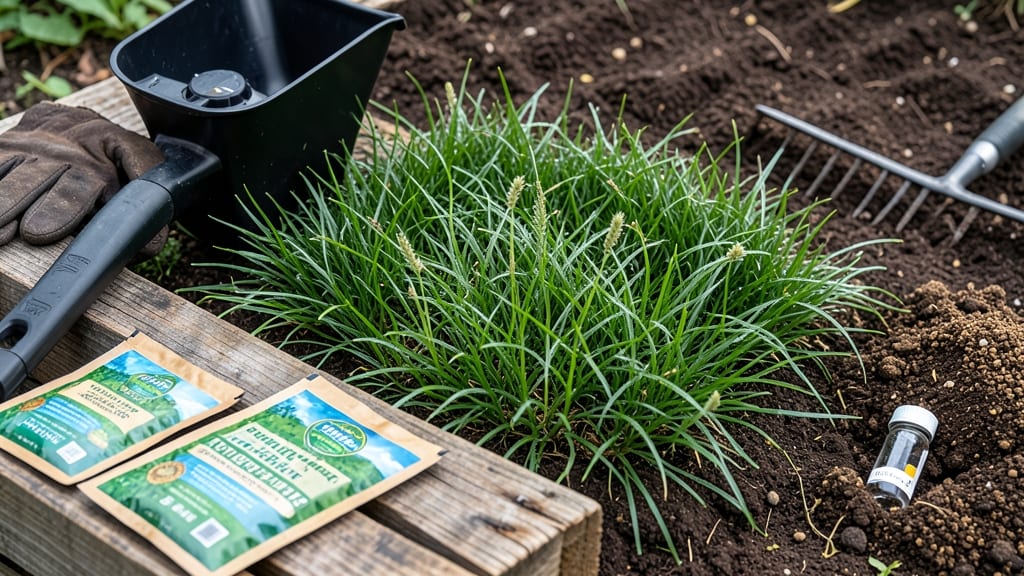
Planting grass seed in Minnesota at the right time is the key to a fast, thick lawn that outlasts weeds and frost — aim for early spring or late summer when soil warms to 50°F or higher.
Minnesota’s unpredictable climate can make timing your grass seed planting a make-or-break factor for a lush, weed-free lawn. Get it wrong, and you’ll waste time, money, and effort. But with the right zone-specific strategy, you can maximize germination rates and outpace weeds before they take over.
In USDA Zones 4a-5b, the ideal planting window stretches from mid-April to early May for spring and late August to mid-September for fall. These periods balance soil warmth, moisture, and daylight to give your 🌱 grass seed the best shot at establishing roots before winter.
Below, I’ll break down the exact dates for your region, how to adjust for late frosts or dry spells, and the best grass types for Minnesota’s climate — so you can skip the guesswork and get a lawn that’s ready by summer.
Best planting windows in Minnesota by USDA hardiness zones
Minnesota’s USDA hardiness zones 4a-5b create unique challenges for grass seed planting, where soil temperatures and frost dates shift dramatically across regions. In Zone 4a (northern MN), like International Falls, planting windows are shorter, while Zone 5b (southern MN, like Rochester) offers longer growing seasons.
The key is aligning your planting with soil warmth—grass seeds need 50°F+ soil to germinate reliably.
For early spring planting, aim for late April to early May in most zones, but adjust for last frost dates.
Northern MN may wait until mid-May, while southern MN can start as early as April 15. Fall planting (late summer to early fall) is equally critical, with September 1 to October 15 being ideal for 6-8 week establishment before winter.
Soil temperature is your best indicator—use a soil thermometer to confirm 50°F+ before planting. In Zone 4a, this often means waiting until late May, while Zone 5b may see 50°F soil by mid-April. Germination success drops by 30-50% if planted in cold soil or late fall, when frost can kill young seedlings.
Regional microclimates matter too—the Twin Cities metro (Zone 4b-5a) has 2-3 weeks earlier planting windows than northern MN. Urban areas with heat islands may see earlier soil warming, while rural or forested areas can stay colder longer. Always check local frost dates from the MN Department of Agriculture for precision.
Spring planting offers faster germination (10-14 days) but risks weed competition if soil warms too quickly. Fall planting, however, gives seeds 6-8 weeks to establish roots before winter, leading to thicker turf the following year.
In Zone 4a, fall planting is critical—spring windows are too short for reliable results.
For northern MN (Zone 4a), prioritize fall planting (early September) to avoid late spring frosts. In southern MN (Zone 5b), both spring and fall work well, but late October plantings can still succeed if soil is 50°F+.
Always test soil pH (6.0-7.0) and add compost to improve drainage—waterlogged soil kills seeds in 3-5 days.
Pro tip: Use a seed starter fertilizer
How to adjust planting dates for Minnesota’s unpredictable weather patterns
Minnesota’s weather can throw a curveball—one day it’s 50°F and sunny, the next it’s freezing rain or a sudden heatwave. These shifts force gardeners to adapt planting dates or risk poor germination.
The key is flexibility: knowing how to extend your window with tools and recognizing red-flag conditions that demand action.
For example, if late snowmelt delays your spring planting, soil warmers or frost blankets can create microclimates where grass seed thrives. Similarly, a drought-tolerant seed blend might be your best bet if summer arrives with unpredictable rainfall.
Below, I’ll walk you through the tools and tricks to keep your grass seed on track—no matter what Mother Nature throws at you.
- Late snowmelt: Wait until soil reaches 50°F (use a soil thermometer), even if it’s May. Cold soil = slow germination.
- Sudden heatwave: If temps spike above 85°F before planting, delay until evening or use shade cloth to prevent seed drying.
- Prolonged dry spell: Irrigate daily for 2 weeks post-planting or switch to drought-resistant varieties like tall fescue.
Pro Tip: Check the National Weather Service for 7-day forecasts—this helps plan adjustments like frost protection or extra watering.
Start by monitoring soil temperature with a digital thermometer—aim for 50°F+ for cool-season grasses like Kentucky bluegrass. If your soil is still cold, try black plastic mulch to absorb heat or use a seed starter mat to jumpstart germination.
These tools can extend your planting window by 2-3 weeks, giving you a safety net against late frosts.
Moisture is just as critical. Use a moisture meter to ensure the top 2 inches of soil stay consistently damp. If drought hits, water deeply in the morning (1-2 inches per week) and consider a drip irrigation system to avoid washing away seed.
Overwatering is a common mistake—soggy soil suffocates roots, so aim for consistent, not saturated, moisture.
For fall planting, time it so your grass has 4-6 weeks to establish before the first frost. In Minnesota, this usually means late August to mid-September, but adjust if a heatwave delays autumn’s arrival.
If you’re in Zone 4a (northern MN), prioritize hardy varieties like fine fescue, which tolerate cooler soils better than Kentucky bluegrass.
Finally, keep an eye on local microclimates. A south-facing slope warms faster than a shaded yard, so plant there first if weather delays hit. Use frost blankets on high-risk areas (like new seedings) to protect against unexpected frosts.
With these adjustments, you’ll turn Minnesota’s unpredictability into an advantage—giving your lawn the best possible start every season. 🌱