
Plants
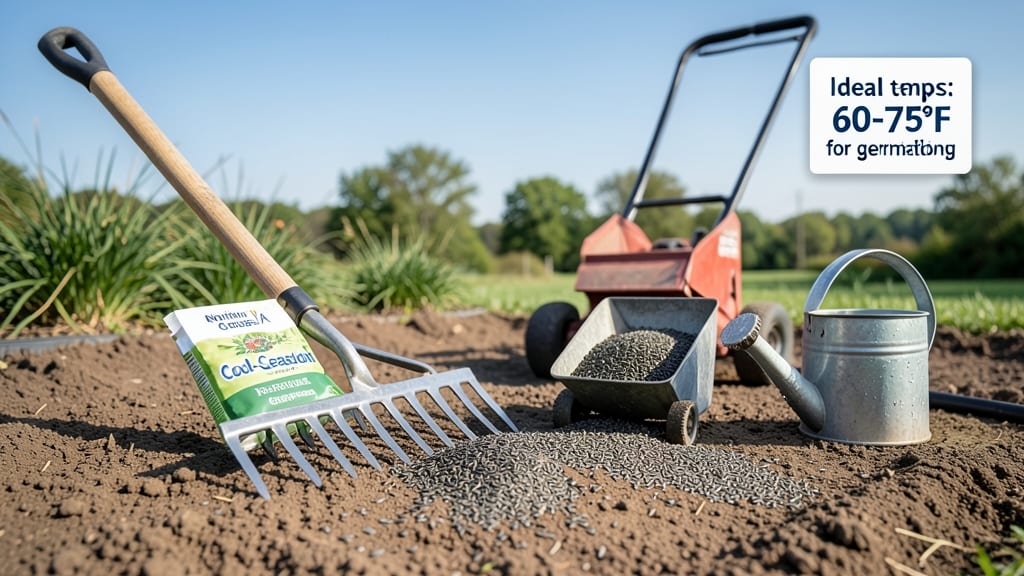
Planting grass seed in Northern VA at the right time means the difference between a lush lawn and a patchy disappointment 🌱—aim for early spring or fall when soil temps are ideal.
Struggling to get a lush, green lawn in Northern Virginia? Timing is everything—plant grass seed at the wrong time, and you’ll waste money on slow germination or weak growth. Here’s your exact Zone 7a/7b planting schedule for a fast, healthy lawn.
In Northern VA’s climate, the best windows are March-April for spring planting and September-October for fall. These months offer cooler soil temperatures and consistent moisture, which are critical for seed germination and root establishment.
Below, I’ll break down the fastest way to prep your soil, avoid common mistakes, and keep your new grass thriving—no guesswork, just results.
Best planting windows for Northern VA grass seed (Zone 7a/7b)
Northern Virginia’s Zone 7a/7b climate means your grass seed timing must align with soil temperatures and seasonal shifts. Plant at the wrong time, and you’ll face slow germination or weak growth—even with premium seed.
The key? Focus on early spring (March–April) and early fall (September–October) for cool-season grasses like tall fescue and Kentucky bluegrass, which dominate local lawns.
Warm-season grasses like Bermuda or Zoysia (less common in VA) thrive when soil temps hit 65°F+, typically late spring to early summer. But in Northern VA, cool-season grasses are the gold standard for year-round green lawns. Let’s break down the perfect planting windows and what to watch for.
Spring planting in Northern VA kicks off when the last frost date (around March 15) passes and soil warms to 50°F. This gives seeds 6–8 weeks of growing season before summer heat sets in. Test soil temps with a soil thermometer—if it’s below 50°F, wait. Cool-season grasses like tall fescue germinate best in 55–65°F soil, while Kentucky bluegrass thrives at 60–70°F.
Fall is your second-best window because cooler temps reduce weed competition and disease pressure. Aim for September–October, when daytime highs are 70–80°F but nights dip into the 50s.
This mimics ideal germination conditions without summer’s stress. Pro tip: Plant 6 weeks before first frost (around November 15 in VA) to ensure roots establish before winter dormancy.
Warm-season grasses like Bermuda or Zoysia are rare in Northern VA lawns but can work in full-sun areas. Plant these late spring (May–June) when soil hits 65°F+.
However, they’ll go dormant in winter, leaving brown patches until spring. For a year-round green lawn, stick with cool-season blends.
Watch out for Northern VA’s unpredictable weather. A late frost in April or early heatwave can derail germination. Use row covers or lightweight mulch to protect new seedlings. Also, avoid planting when rainfall is inconsistent—seeds need consistent moisture to germinate, but soggy soil leads to rot.
A 1/2-inch watering daily (morning only) is critical for the first 2–3 weeks.
For fastest results, test your soil’s pH (6.0–7.0 ideal) and nitrogen levels before planting. Northern VA’s clay-heavy soil often needs compost or peat moss to improve drainage.
Mix in a starter fertilizer (high in phosphorus) to jumpstart root growth. Skip fertilizing in summer heat—it stresses grass and attracts pests.
Timing isn’t just about months—it’s about micro-climate cues. Check for new weed growth (sign of warming soil) or dandelions blooming (spring’s first signal). In fall, look for goldenrod flowering—a sign to start seeding.
Miss these cues, and you’ll plant too late, leaving your lawn vulnerable to winter kill or
How to prepare your Northern VA lawn for fast grass seed germination
Northern Virginia’s Zone 7a/7b climate demands precise prep work to ensure your grass seed germinates within 7-21 days instead of weeks. Skipping these steps means battling weeds, poor soil contact, or uneven growth.
Here’s how to set your lawn up for 90%+ germination success before the first seed hits the ground.
Start with a soil test—Northern VA soils often lack nitrogen or have compacted layers from winter. Use a home test kit ($10 at garden centers) or send a sample to the Virginia Cooperative Extension for a detailed report.
Aim for a pH of 6.0-7.0 and amend with compost or lime if needed. This step alone can boost germination rates by 30%.
🌱 Step-by-Step Pre-Planting Checklist for Northern VA
-
📋 Step 1: Test Soil & Amend
Use a soil test kit to check pH and nutrients. Adjust with compost (for organic matter) or lime (if pH < 6.0). -
🌱 Step 2: Clear Weeds & Debris
Remove weeds with a broadfork or herbicide (like corn gluten meal) 2 weeks before planting. Rake thoroughly. -
✂️ Step 3: Till the Soil
Loosen top 4-6 inches with a tiller or rototiller. Break up compacted layers for better seed-to-soil contact. -
💧 Step 4: Level & Water
Rake to create a smooth, firm surface. Water deeply (1/2 inch) the day before planting to settle soil. -
🌿 Step 5: Apply Starter Fertilizer
Spread high-phosphorus fertilizer (e.g., 10-20-10) at 0.5 lbs per 100 sqft to jumpstart root growth. -
🌱 Step 6: Plant & Cover
Sow seed at 1/4-inch depth (use a spreader for even coverage). Lightly rake and cover with straw mulch (not wood chips). -
💧 Step 7: Watering Schedule
Water lightly 2x daily (morning/evening) for 14 days, then taper to 1/2 inch per week. Keep soil moist but not soggy.
After planting, consistent moisture is critical—Northern VA’s fluctuating spring rains can’t be relied upon. Use a rain gauge or tuna can to measure 1/2 inch of water per session.
For fall plantings, aim to water before sunset to prevent fungal risks from evening dew. Avoid walking on new seedlings for 4-6 weeks to prevent soil compaction.
Pro tip: Mulch with straw (not wood chips) to retain moisture and regulate soil temperature. In Zone 7a/7b, straw mulch can reduce watering needs by 20-30% while protecting seeds from drying winds. Replenish mulch if it decomposes or blows away during germination.
Monitor your lawn daily for the first 2 weeks. Look for uniform green shoots—if germination is patchy, lightly rake and reseeds areas with missing coverage.
By Day 21, your grass should be 2-3 inches tall and ready for its first mow (set blades to 3 inches to encourage deep roots).