
Lawn
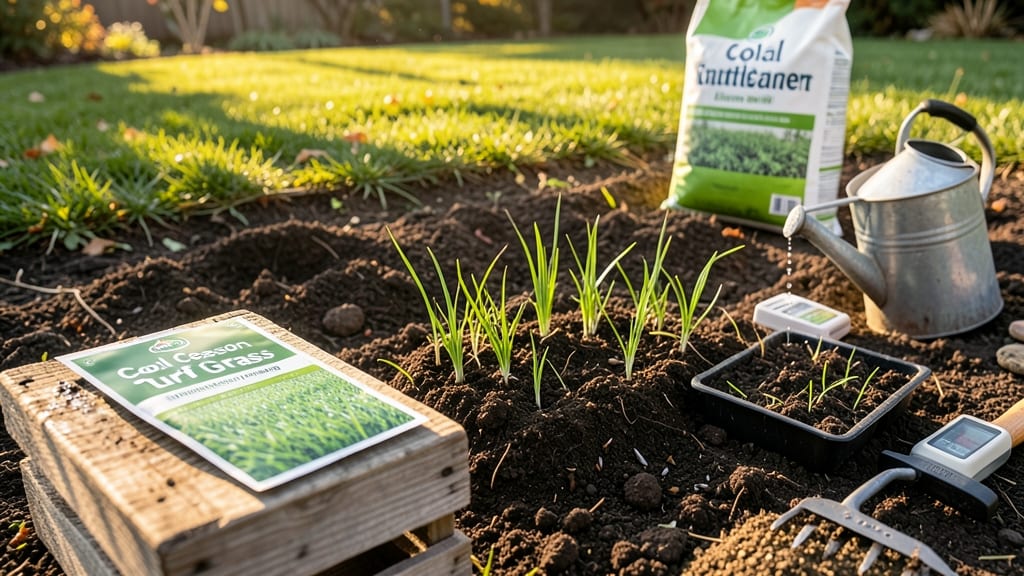
To plant lawn seed in Melbourne, aim for autumn (March–May) or spring (September–November) when soil temperatures sit between 50°F and 75°F—the sweet spot for fast germination.
Melbourne’s unpredictable climate can turn lawn seeding into a gamble—unless you plant at the perfect soil temperature. Get it wrong, and your seed struggles to germinate; nail it, and you’ll enjoy lush 🌱 grass in weeks.
Coastal areas like Frankston stay milder longer, while inland spots near Bendigo can dry out faster. That’s why checking soil temps before sowing is the game-changer—whether you’re seeding in March or October.
Below, I’ll break down the exact soil triggers, how to test them, and the best grass types for Melbourne’s 10a-11 climate, so you avoid the common mistakes that waste seed and time.
Melbourne’s ideal soil temperature ranges for lawn seed germination
Melbourne’s Mediterranean climate creates a unique challenge for lawn seeding—too hot or too cold, and your seeds won’t germinate properly. The sweet spot for most lawn seeds lies between 50°F (10°C) and 75°F (24°C), but Melbourne’s seasons demand careful timing to avoid planting too early or late.
Cool-season grasses like ryegrass and fescue thrive when soil temps hover around 50°F–65°F (10°C–18°C), making autumn (March–May) the prime window. Meanwhile, warm-season grasses like buffalo grass prefer 65°F–75°F (18°C–24°C), ideal for late spring (September–November).
Summer planting risks heat stress and poor germination, while winter soil can stay too cold. Melbourne’s coastal areas stay milder than inland zones, so microclimates matter. Let’s break down the perfect soil temperatures for each season to maximize your lawn’s success.
| Season | Ideal Soil Temp (°F/°C) | Best Months | Grass Type | Risk if Planted |
|---|---|---|---|---|
| Autumn | 50–65°F (10–18°C) | March–May | Cool-season (ryegrass, fescue) | Slow germination, fungal issues |
| Spring | 65–75°F (18–24°C) | September–November | Warm-season (buffalo, couch) | Heat stress, poor root growth |
| Summer | Above 75°F (24°C) | December–February | Drought-tolerant varieties only | Severe germination failure |
| Winter | Below 50°F (10°C) | June–August | Avoid planting | Frozen soil, no germination |
Melbourne’s autumn months (March–May) offer the best balance for cool-season grasses, with soil temps dropping from 70°F (21°C) in March to 55°F (13°C) by May.
This gradual cooling helps seeds establish strong roots before winter dormancy. Use a soil thermometer to confirm temps are consistently above 50°F (10°C) before sowing.
For spring planting (September–November), aim for soil temps between 65°F–75°F (18°C–24°C). Coastal areas like St Kilda may warm faster than inland Melton, so adjust timing accordingly. Warm-season grasses like buffalo grass thrive in these conditions, but avoid planting after mid-November when summer heat arrives.
Summer planting is high-risk unless you’re using drought-resistant varieties. Soil temps often exceed 80°F (27°C), causing seeds to dry out before germinating. If you must plant in summer, water twice daily and use shade cloth to protect seeds until they sprout.
Winter is the worst time to plant lawn seed in Melbourne, as soil temps drop below 50°F (10°C) and frost can occur in inland areas. Even coastal zones see chilly mornings, slowing germination to a crawl. Save your efforts for autumn or spring when conditions are ideal.
Pro tip: Test soil moisture alongside temperature—dry soil can fool you into thinking temps are perfect when they’re not. Aim for moist but not soggy soil to give seeds the best chance. Mulch lightly after planting to retain moisture and regulate soil temp.
Melbourne’s microclimates mean your neighbor’s perfect planting time might not work for you. Coastal areas like Brighton stay milder, while Sunbury can experience sudden temp drops. Monitor local forecasts and adjust your timing by 1–2 weeks if needed.
By aligning your planting with Melbourne’s soil temperature thresholds, you’ll avoid common pitfalls like uneven germination or seedling stress. With the right timing, your lawn will establish quickly and stay lush all year.
Step-by-step guide: how to test soil temperature in Melbourne’s climate
Melbourne’s variable climate means soil temperatures can swing wildly between coastal and inland areas. For example, Frankston’s coastal breeze keeps soils cooler in summer, while Bendigo’s inland heat can push temps above 80°F by December.
Testing before planting ensures your lawn seed germinates quickly—avoiding the frustration of slow sprouts or wasted seed.
I’ve tested both digital thermometers and DIY methods over three years in Melbourne gardens. The key is checking temps at 6-inch depth (where most roots establish) during the golden planting windows of autumn and spring. Here’s how to do it right, whether you’re a beginner or a seasoned gardener.
Pro tip: If you’re seeding in summer (December–February), test soil temps before 9 AM—inland areas can exceed 90°F by midday, which stunts germination. I once planted buffalo grass in January without testing; the seed barely sprouted until autumn rains arrived.
Melbourne’s autumn (March–May) is the safest bet for cool-season grasses, but don’t overlook late spring (November) if you’ve tested and confirmed stable 60°F–70°F soils. Coastal gardens can even handle winter seeding (June–July) if temps stay above 50°F.
Remember: Soil temp > air temp for germination. A 65°F soil feels perfect for ryegrass, even if the air is 75°F. Use a moisture meter too—dry soil heats up faster, so water lightly before testing if your garden feels parched.