
Lawn
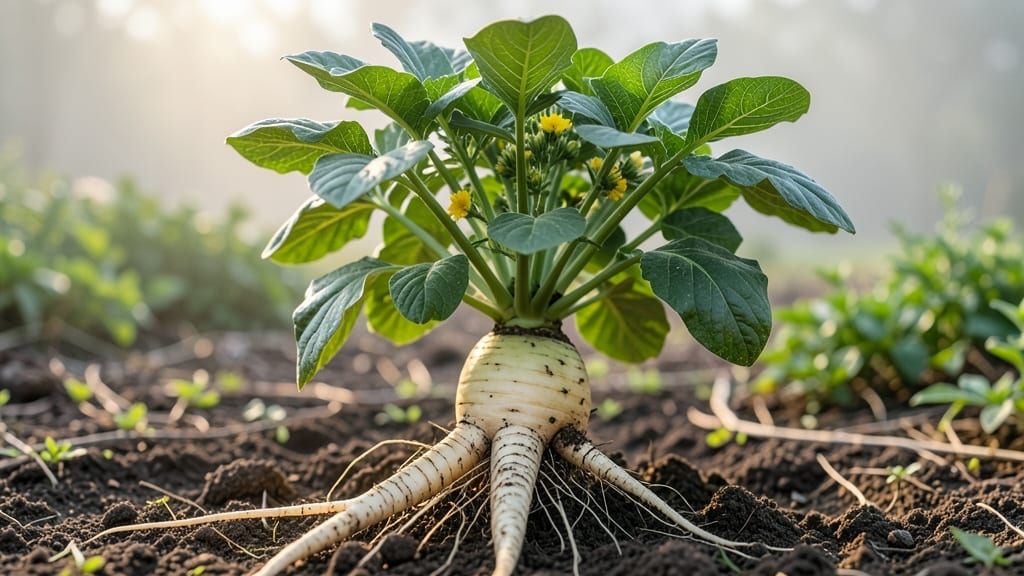
Mustard seed roots punch through soil faster than almost any other cover crop—within 3-5 days you’ll see those first green spikes pushing up. 🌱 I’ve used them to smother weeds, build soil, and establish green manure in just 6 weeks, and the secret isn’t fancy equipment—it’s getting the planting depth and moisture right from day one.
The magic happens when you plant them ½ inch deep in loose, well-drained soil that’s kept consistently moist but not soggy. Too deep and they’ll struggle; too shallow and they’ll dry out before germinating.
Most gardeners overlook the soil prep—fluffing up the top 2 inches makes all the difference for those tiny roots to grab hold fast.
By week 3, your mustard plants will be 3-4 feet tall, their deep taproots breaking up compacted soil while their leafy tops shade out weeds. The roots themselves grow 12-18 inches deep, pulling nutrients up from layers most plants can’t reach—perfect for preparing beds for next season’s vegetables.
Works in any climate from spring to early fall, and you can even overseed existing lawns for instant weed control. Here’s how to time it perfectly for your zone and avoid the most common pitfalls that turn fast germination into a flop.
📚 In This Guide
- What you need
- Instructions
- Tips and common mistakes
- Wrapping up and next steps
What you need
- ● Mustard seed mix: 5–10 lbs (depending on lawn size; opt for Brassica juncea or Sinapis alba for best results).
- ● High-quality lawn soil: 1–2 cubic yards (test pH first—aim for 6.0–7.5; amend with lime or sulfur if needed).
- ● Lawn fertilizer: Slow-release, 10-10-10 NPK blend (apply 20 lbs per 1,000 sq ft).
- ● Garden rake: Heavy-duty, 18–24" width (for seedbed prep).
- ● Broadcast spreader: Handheld or tow-behind (calibrate for ½ lb seed per 100 sq ft).
- ● Water source: Garden hose with adjustable nozzle (or sprinkler system with ¼–½ inch watering capacity).
- ● Lightweight straw mulch: 1–2 bales (to protect seeds from birds/sun until germination).
- ● Soil pH test kit: Digital or liquid test strips (for precision).
- ○ Lawn roller: 50–75 lb (optional, for seed-soil contact).
- ○ Pre-emergent herbicide: Optional (apply 1–2 weeks before seeding to block weeds).
- ● Seedling protector: Bird netting (if local wildlife is a concern).
- ● Gloves & knee pads: For comfort during prep (trust us, your knees will thank you!).
Step-by-Step instructions for growing mustard seed roots quickly
Here’s how to coax those fast-sprouting mustard roots into the ground without waiting weeks.
🌱 Step 1: Prepare the Soil for Speedy Germination
Mustard seeds need loose, well-draining soil to pop up fast—think fluffy, not compacted. Work the top 6 inches of soil with a rake or tiller until it crumbles easily. If your soil feels heavy or clay-like, mix in 2 inches of compost to loosen it up. Mustard roots hate soggy conditions, so if your yard drains poorly, raise beds or plant on a slight slope.
Test moisture by squeezing a handful of soil—it should hold together but not drip water. If it’s dry, water lightly the day before planting. You’ll know it’s ready when the surface feels damp but not wet. Avoid tilling when soil is wet; you’ll create clumps that slow germination.
🌱 Step 2: Plant Seeds at the Right Depth and Spacing
Scatter seeds thinly across the prepared area—aim for 1/4 inch deep and 1/2 inch apart. Planting too deep forces seedlings to struggle upward, delaying growth. I like to broadcast seeds in one direction, then lightly rake the soil to cover them evenly. For a 100-square-foot area, you’ll need about 1 pound of seeds—that’s roughly 16 ounces.
Don’t press seeds into the soil; a light raking is enough. Overcrowding leads to weak roots, so avoid planting thicker than 10 seeds per square foot. If birds are a problem, cover the area with a lightweight mesh until germination begins—you’ll see tiny sprouts in just 3-5 days.
💧 Step 3: Water Gently and Keep Soil Moist
Water immediately after planting with a fine mist or gentle spray—no heavy streams that’ll wash seeds away. Keep the soil consistently moist but not soggy until seedlings reach 2 inches tall. I use a soaker hose set to a light flow for 10-15 minutes daily in dry climates. You’ll know moisture is right when the top inch of soil feels damp to the touch.
Once sprouts appear, reduce watering slightly but keep the soil from drying out. Mustard roots are drought-tolerant once established, but young seedlings need steady moisture. Avoid overhead watering after germination—it spreads disease. Instead, water at the base early in the morning for best results.
☀️ Step 4: Provide Sun and Thin for Strong Growth
Mustard thrives in full sun (6+ hours daily), but seedlings can handle partial shade until established. If your yard gets afternoon shade, plant in the cooler morning sun spots. Once seedlings hit 2-3 inches tall, thin them to 3-4 inches apart—this prevents overcrowding and gives roots room to spread.
Thinning is easier than it sounds: Snip seedlings at the base with scissors or pull gently by hand. Use the thinned seedlings in salads or compost them. You’ll see stronger, straighter roots within 1-2 weeks after thinning. Avoid fertilizing at this stage—mustard grows fast on its own.
⏰ Step 5: Monitor and Harvest at Peak Freshness
Mustard roots are ready to harvest in 4-6 weeks when they reach 1-2 inches in diameter. Pull them gently by hand or use a fork to loosen stubborn roots. Harvest on a dry day when soil is slightly moist—roots will be cleaner and easier to store.
For continuous growth, replant seeds every 2-3 weeks in warm climates. Mustard roots store well in the fridge for 1-2 weeks if kept dry. If you notice yellowing leaves, it’s often too much water—mustard roots prefer dry conditions once mature.
Tips & tricks for fast-germinating mustard seed roots
These little tricks will help you grow mustard roots in record time—no waiting weeks required!
Soil Prep Secret: The key to speedy germination is that 6-inch-deep, fluffy soil we talked about. I've found that adding a thin layer of sand mixed with compost (about 1 inch each) helps create the perfect loose texture—especially if you're working with clay soil. This combo mimics the ideal conditions mustard seeds crave. Think of it as giving your seeds a head start in a race they're built to win.
Timing Tip for Planting: Don't rush the planting process in Step 2. Those 3-5 days until germination might seem long, but patience here pays off. I've learned that planting seeds in the late afternoon gives them a slight moisture advantage overnight, which can shave off a day from germination time. Just make sure to cover them lightly with soil—no need to bury them deep!
Watering Hack: That 10-15 minute daily watering with a soaker hose is perfect, but here's my pro move: I set up a simple DIY watering timer connected to my hose. This ensures consistent moisture without me having to remember—mustard seedlings are fussy about drying out! I use it for 10 minutes every morning until those sprouts reach 2 inches. The timer costs less than $10 and saves me from forgetting.
Thinning Strategy: When you're thinning those seedlings in Step 4, here's what I do: I wait until they're 2-3 inches tall but still have those delicate first leaves. I use a pair of clean scissors to snip them at the base—this prevents disturbing the roots of the plants I'm keeping. The thinned seedlings make great additions to salads or can be composted to nourish your remaining plants. Plus, you'll notice the remaining roots grow straighter and stronger within just 1-2 weeks.
Pro Tips for Mustard Seed Roots
- These little tricks will help you grow mustard roots in record time—no waiting weeks required!
- Soil Prep Secret: The key to speedy germination is that 6-inch-deep, fluffy soil we talked about.
- Timing Tip for Planting: Don't rush the planting process in Step 2.
Frequently asked questions
Got questions about growing mustard seed roots for a hardy lawn? You’re not alone! Here are some of the most common queries—and quick answers—to help you get started with confidence.
How long does it take for mustard seed roots to germinate?
Mustard seeds typically sprout in 3–7 days under ideal conditions (warm soil, consistent moisture, and sunlight). For faster results, keep the soil temperature above 60°F (15°C) and water lightly daily. If germination takes longer than 10 days, check soil moisture or seed viability.
Can I plant mustard seed roots in cold weather?
Mustard seeds are cold-hardy and can germinate in temperatures as low as 40°F (4°C), but growth slows below 50°F (10°C). For best results, plant in spring or early fall when soil is workable but not frozen. A light mulch can protect young seedlings from frost.
What’s the best alternative if mustard seeds don’t germinate?
If germination fails, try radish seeds (fast-growing, similar hardiness) or annual ryegrass for quick cover. For long-term solutions, switch to clover or creeping red fescue, which establish roots faster in poor soil. Always test seed viability first by soaking a few in water.
Why are my mustard seed roots turning yellow or dying?
Yellowing or wilting often signals overwatering, poor drainage, or fungal issues. Ensure soil drains well and water only when the top inch feels dry. If mold appears, reduce moisture and consider a fungicide treatment. Mustard roots also struggle in compacted soil—loosen the ground before planting.
Do mustard seed roots spread aggressively like weeds?
Mustard seed roots are not invasive but can self-seed if left to flower. To control spread, mow before seeds mature or remove spent plants. They’re great for temporary cover (e.g., erosion control) but not for permanent lawns—replace with grass or ground cover after 1–2 seasons.
Wrapping up and next steps
Growing a lush lawn from mustard seed roots is simpler than you think—and the rewards are worth every effort! 🌱 With their fast germination and hardy nature, these seeds are your secret weapon for a vibrant, resilient green space.
Whether you’re patching bare spots or starting fresh, the key is patience, consistency, and a little know-how.
Now that you’re armed with the right tools, tips, and answers, it’s time to roll up your sleeves and get planting! Start small—maybe with a single section—and watch your lawn transform. Your dream green carpet is just a seed away! 🌟