
Lawn
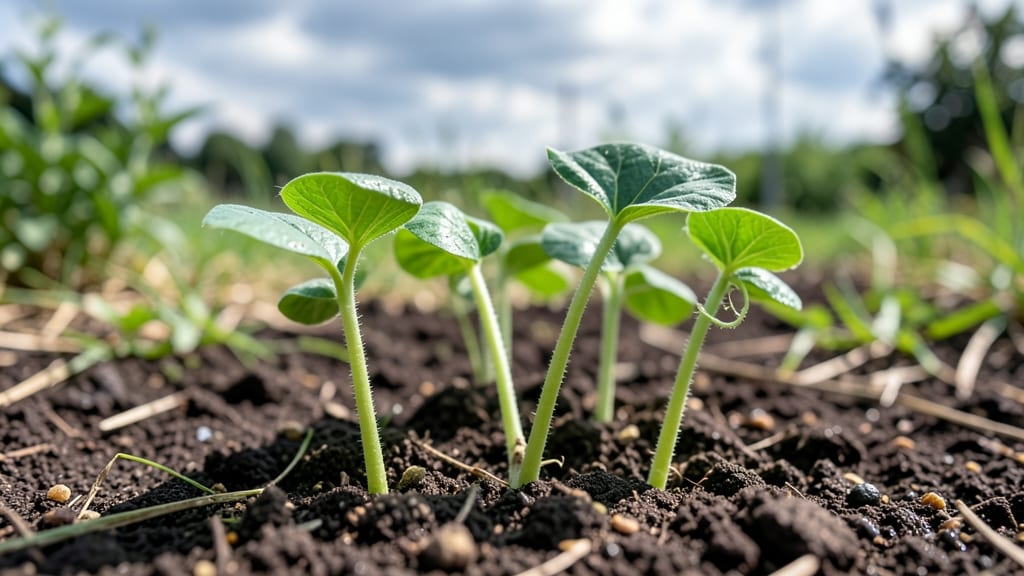
Cucumber seeds sprout faster than you think—48 hours if you nail the moisture, warmth, and darkness. 🌱 I learned the hard way that skipping these basics means waiting weeks for stubborn sprouts, but once I cracked the code, my seedlings popped up like clockwork.
The secret isn’t magic; it’s recreating the cozy, damp conditions cucumbers love in their native tropics.
Start with a shallow container (even a damp paper towel works) and keep the soil or medium at 80-85°F—that’s warm bathwater territory. Too cool, and germination stalls; too hot, and seeds rot.
Moisten the medium before planting, then keep it consistently damp (not soggy) by covering with plastic wrap or a humidity dome. Light comes later—sprouts need darkness to break through, so avoid bright windowsills until you see those first tiny hooks.
Once sprouts emerge, move them to bright, indirect light and thin to the strongest seedling per container. Weak sprouts flop over, but with proper support and spacing, you’ll have sturdy plants ready for transplanting in 2-3 weeks.
The payoff? Vigorous vines that outcompete weeds and produce cucumbers all season long—no more struggling with leggy, weak seedlings.
Pro tip: Label your containers now—those first leaves look identical until true leaves appear. And if sprouts yellow or mold? That’s overwatering or poor airflow. Start fresh with a new batch; healthy seedlings are worth the retry. Your weed-resistant lawn starts with these fast, tough starters.
📚 In This Guide
- What you need
- Instructions
- Tips and common mistakes
- Wrapping up and next steps
What you need
- ● Cucumber seeds: 10–20 organic, non-GMO seeds (choose heirloom varieties like ‘Straight Eight’ or ‘Lemon’ for resilience).
- ● Seed-starting mix: 2–3 cups of sterile, peat-free potting soil (or coconut coir for sustainability).
- ● Container: A shallow tray (10x20 inches) or small pots (3–4 inches deep) with drainage holes.
- ● Water: Room-temperature, filtered water (or rainwater if available).
- ● Spray bottle: 8–16 oz for gentle misting (avoids disturbing seeds).
- ○ Plastic wrap or dome: A clear lid or cling film to create humidity (optional but speeds germination).
- ● Gloves: A pair of gardening gloves to keep hands clean.
- ○ Small hand trowel: For gently pressing seeds into soil (optional).
- ● Grow lights or sunny windowsill: A south-facing spot or LED grow light (12–16 hrs/day) for optimal growth.
- ○ Fertilizer (optional): A mild seaweed extract or compost tea (diluted) after sprouts emerge.
- ○ Thermometer (optional): To monitor soil temp (ideal: 70–90°F for germination).
- ● Patience! Sprouts typically appear in 3–7 days (faster with warmth and moisture).
- ● A space with indirect light until sprouts have 2–3 leaves (then transition to full sun).
- ● Consistency: Keep soil evenly moist (not soggy!) to avoid mold.
How to germinate cucumber seeds for fast, vigorous sprouts
Skip the slow germination game—here's how to get cucumber seeds sprouting in 3-5 days with these pro tips.
🌱 Step 1: Soak Seeds Overnight for Faster Germination
Place cucumber seeds in a small bowl and cover them with lukewarm water for 8-12 hours. The outer seed coat is tough, and soaking softens it while hydrating the embryo. You'll see the seeds plump up noticeably—this means they're ready to burst through their shells.
Use a mesh strainer or cheesecloth to drain the seeds after soaking. Gently pat them dry with a paper towel so they don't stick together. This step cuts germination time nearly in half compared to dry planting—no more waiting two weeks for those first green shoots.
💧 Step 2: Plant in Warm, Moist Soil with Proper Spacing
Fill seed trays or small pots with warm, well-draining soil (aim for 70-75°F). Press one seed ½ inch deep into the soil, spacing them 1 inch apart in rows. Cucumber seeds are large enough that you can handle them individually without damaging them.
Water gently until the soil surface feels damp but not soggy. The key here is warmth—cover the trays with a clear plastic dome or plastic wrap to create a mini greenhouse. Check daily for condensation on the inside of the cover; if it's dry, mist lightly to maintain humidity.
☀️ Step 3: Provide Consistent Heat and Indirect Light
Place the trays in a location with indirect light and consistent warmth—a sunny windowsill works, but avoid direct midday sun which can overheat the soil. Ideal germination temperature is 75-85°F; if your home runs cooler, use a seedling heat mat underneath the trays.
You'll see the first sprouts push through the soil in 3-5 days. Once they emerge, remove the plastic cover immediately to prevent fungal growth. Watch for the first true leaves (not the initial seed leaves)—this is your signal to start providing 12-14 hours of light daily.
✂️ Step 4: Thin Seedlings and Harden Off Before Transplanting
When seedlings reach 2 inches tall and have 2-3 true leaves, thin them to the strongest plant per pot. Use scissors to snip weak seedlings at soil level—don't pull them, which can disturb roots. The remaining plant will have more space to develop a strong root system.
Start hardening off 1-2 weeks before transplanting by placing seedlings outside in a shaded area for 1-2 hours daily. Gradually increase exposure over 7-10 days until they can handle full sun. Transplant on a cloudy day or in the late afternoon to reduce stress.
🌿 Step 5: Monitor for Fast Growth and Pest Prevention
Cucumber seedlings grow quickly—expect 1 inch of growth per day once established. Keep soil consistently moist but not waterlogged; use a moisture meter to check 1 inch deep before watering. Yellowing leaves signal overwatering, while wilting indicates underwatering.
Watch for common pests like aphids or cucumber beetles. If you spot them, spray seedlings with neem oil or insecticidal soap immediately. A fine mesh row cover can protect young plants while allowing light and water through.
Tips & tricks for fast-germinating cucumber seedlings
Real talk: Those first green shoots can feel like magic after waiting too long. Here’s how to turn the instructions into foolproof success.
Soaking Secret: For the 8-12 hour soak, use a bowl of lukewarm water that’s just warm to the touch—like bathwater. Too hot and you’ll cook the seeds; too cold and they won’t soften properly. I like to place the bowl on a heating pad set to low for consistent warmth. After soaking, spread seeds on a paper towel in a single layer to dry—they’ll be ready for planting when they feel slightly rough to the touch, not slippery.
Heat Hack: The 70-75°F soil temperature is non-negotiable for germination speed. If your home runs cooler, place seed trays on top of your fridge (not inside) for gentle warmth. I’ve seen germination times cut by 24 hours using this trick. Pro tip: Use a soil thermometer to confirm temps—most home thermometers won’t show you the full picture.
Light Timing: Those 12-14 hours of light after sprouting don’t need to be direct sun—grow lights work perfectly. Position them 6 inches above seedlings and adjust height as they grow. I keep mine on a timer to avoid overdoing it; seedlings can get sunburned just like us! Watch for the first true leaves (they’ll look like tiny cucumber leaves, not the initial seed leaves) to know you’re on track.
Thinning Technique: When thinning seedlings at 2 inches tall, use clean scissors to avoid spreading disease. Snip at soil level and remove weak seedlings immediately—don’t leave them in the pot. The remaining plant will reward you with stronger roots and faster growth. I’ve found that thinning right after watering makes the process cleaner and reduces stress on the remaining plants.
Pro Tips for Cucumber Seed Sprouts
- Real talk: Those first green shoots can feel like magic after waiting too long. Here’s how to turn the instructions i...
- Soaking Secret: For the 8-12 hour soak, use a bowl of lukewarm water that’s just warm to the touch—like bathwater. To...
- Heat Hack: The 70-75°F soil temperature is non-negotiable for germination speed. If your home runs cooler, place seed...
Frequently asked questions
Got questions about growing cucumber seed sprouts for a weed-resistant lawn? Here are some common concerns—and their answers—to help you get started with confidence!
How long does it take for cucumber seed sprouts to appear?
With the right conditions (moisture, warmth, and darkness), cucumber seeds typically sprout in 3–7 days. Keep them in a damp paper towel or seed-starting tray, and check daily for tiny white roots or green shoots. If they don’t sprout within 10 days, they may be old or damaged—try fresh seeds!
Can I plant cucumber seed sprouts directly into the lawn?
Yes, but wait until after the last frost and when soil temps reach 60°F+ (15°C+). Harden off sprouts by placing them outside for a few hours daily for 5–7 days before transplanting. Space them 12–18 inches apart to allow room for growth and weed suppression.
What if my cucumber seed sprouts turn yellow or moldy?
Yellowing or mold is often a sign of overwatering, poor drainage, or fungal issues. Ensure your sprouting container has drainage holes, use sterilized soil or a damp paper towel, and avoid direct sunlight until roots form. If mold appears, rinse sprouts gently with water and replant in fresh, dry medium.
Are there faster-growing alternatives to cucumber sprouts for weed control?
If cucumbers are too slow for your needs, try buckwheat, clover, or sunflower sprouts. Buckwheat, for example, germinates in 2–5 days and spreads quickly to crowd out weeds. However, cucumber sprouts are a great mid-season option—their vines help smother weeds while adding organic matter to the soil.
Do cucumber seed sprouts need sunlight before transplanting?
No! In fact, keep them in darkness until they’ve developed 2–3 true leaves (about 1–2 weeks). Once transplanted, they’ll thrive in full sun (6+ hours/day). Too much light too soon can cause leggy, weak sprouts. Think of it like giving them a "head start" in the shade before they hit the lawn!
Wrapping up and next steps
Growing cucumber seed sprouts for a weed-resistant lawn is a rewarding way to boost greenery while keeping invasive plants at bay! With the right prep—moisture, warmth, and patience—you’ll see those tiny seeds transform into vibrant seedlings in no time. 🌱
Now that you’re armed with tips and tricks, take the next step—plant those sprouts in your lawn or garden! Monitor their progress, and soon you’ll enjoy a lush, resilient green space. Happy growing! 🌿