
Lawn
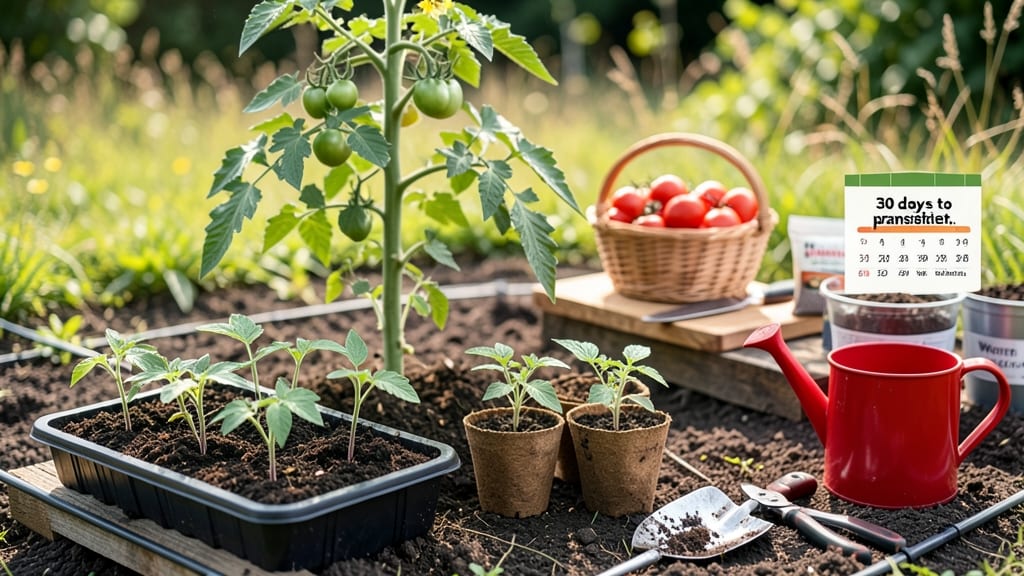
Growing a lawn from directions to seed to table isn’t just possible—it’s the most rewarding way to transform bare soil into a vibrant outdoor space. 🌱 I've seen patches of dirt turn into thriving turf just by following a few key steps, and the best part?
You don't need a green thumb to make it happen. The secret lies in understanding how grass grows, what it needs to thrive, and how to troubleshoot common hiccups before they become problems.
Start with the right grass seed for your climate and sun exposure—cool-season grasses like Kentucky bluegrass or tall fescue work well in most regions, while warm-season types like Bermuda thrive in hotter areas.
You'll also need a rake, a lawn roller (optional but helpful), and a sprinkler or hose with a gentle spray nozzle.
The process itself takes about 30 minutes for prep and another 10-15 minutes for planting, but the payoff is worth it: a lawn that stays green, resists weeds, and feels like a soft carpet underfoot.
Once planted, your lawn will need consistent watering—about ¼ inch per week—to encourage deep root growth, and regular mowing (once it reaches 3-4 inches tall) to keep it dense and healthy.
Within 4-6 weeks, you'll see that first flush of green, and by 8-12 weeks, you'll have a lawn that rivals the neighbors'. The key is patience and consistency; grass grows slowly at first but rewards you with resilience over time.
Whether you're fixing bare spots or starting from scratch, this method works for any yard size. The first year might require extra care, but after that, your lawn will need less effort to stay lush. Let's get those seeds in the ground!
📚 In This Guide
- What you need
- Instructions
- Tips and common mistakes
- Wrapping up and next steps
What you need
- ● Lawn seed: Choose high-quality grass seed suited to your climate (e.g., Kentucky Bluegrass, Fescue, or Bermuda). Quantity: ~10–20 lbs per 500 sq. ft. (check seed bag for exact coverage).
- ○ Soil test kit: Ensures your soil’s pH and nutrient levels are optimal for germination. (Optional but highly recommended!)
- ● Lawn fertilizer: A slow-release, seed-specific formula (e.g., 10-10-10 or 20-0-5). Quantity: Follow package rates for your lawn size.
- ● Topsoil or compost: ¼–½ inch layer to improve seed-to-soil contact. Quantity: ~1 cubic yard per 100 sq. ft.
- ● Water source: Garden hose with a sprinkler head or soaker hose (for gentle, even watering).
- ● Rake: A bow rake (for leveling soil) and a garden rake (for seed distribution).
- ● Broadcast spreader: For even seed distribution (manual or drop-type preferred).
- ○ Lawn roller (optional but helpful): Lightweight (50–100 lbs) to press seed into soil.
- ● Gloves: Heavy-duty gardening gloves to protect hands.
- ● Knee pads: For comfort during long sessions.
- ● Wheelbarrow: For hauling soil, compost, or tools.
- ● Pruners or edging shears: To trim borders neatly.
- ● pH adjustment tools: Lime (to raise pH) or sulfur (to lower pH) if soil test recommends it.
- ● Weather forecast app: To track rain and plan watering schedules.
- ● Time: Dedicate 4–6 weeks for germination and initial growth (plus ongoing maintenance).
- ● Sunlight: Ensure your lawn gets 6+ hours of direct sunlight daily (check your yard’s exposure).
- ● Soil prep: Remove debris, weeds, and old grass (or use glyphosate herbicide if necessary—follow safety guidelines!).
- ● Water access: Confirm you can water deeply 2x daily (early morning and evening) for the first 2 weeks.
- ● Patience: The first mow won’t happen for 6–8 weeks—let those blades grow!
- ● Seed starter fertilizer: A fast-acting option (e.g., 5-10-10) to kickstart growth.
- ● Erosion control blanket: For sloped lawns to prevent seed washout.
- ● Smart sprinkler system: Automates watering for consistency.
- ● Organic mulch (straw or peat moss): Retains moisture and regulates soil temp.
- ● Lawn aerator: For compacted soil (rent or buy for long-term health).
Step-by-Step guide for growing a lush lawn from seed
Here’s how I’ve grown a thick, vibrant lawn every time—no shortcuts, just reliable results.
🌱 Step 1: Prepare the Soil for Perfect Germination
Start by removing all existing grass, weeds, and debris using a sod cutter or shovel. I like to work in small sections—about 4 feet by 4 feet—to keep things manageable. Once cleared, loosen the top 4-6 inches of soil with a garden rake or tiller. This breaks up compacted layers so roots can penetrate easily.
Test the soil’s pH using a home kit—ideal lawn grass thrives in a range of 5.8 to 7.0. If your soil is too acidic or alkaline, amend it with lime or sulfur as needed. Spread a ¼-inch layer of compost over the area and rake it in evenly. This adds vital nutrients without overwhelming the seeds later.
☀️ Step 2: Choose the Right Seed and Plant at the Best Time
Select a grass seed blend suited to your climate and sun exposure. Cool-season grasses like Kentucky bluegrass or fescue do best in early fall, while warm-season grasses like Bermuda or Zoysia thrive when planted in late spring. Scatter the seeds evenly using a broadcast spreader or by hand—aim for about ½ pound per 100 square feet.
Lightly rake the seeds into the soil so they’re covered with no more than ¼ inch of dirt. This ensures good soil contact for germination. Water gently but thoroughly right after planting to settle the seeds. You’ll know you’ve done it right when the soil looks damp but not soggy.
💧 Step 3: Water Consistently for Strong Root Development
Keep the soil moist but never waterlogged during the first 2-3 weeks—this is critical for germination. Water lightly every day, enough to keep the top ½ inch of soil damp. Once the grass reaches about 2 inches tall, gradually reduce watering to 1 inch per week, including rainfall.
Use a sprinkler with a fine mist setting to avoid dislodging seeds. Early mornings are ideal—watering in the heat causes evaporation and can scorch young seedlings. You’ll see the first sprouts in about 7-14 days, depending on the grass type and weather.
✂️ Step 4: Mow and Maintain for a Thick, Healthy Lawn
Wait until the grass reaches 3-4 inches tall before mowing for the first time. Set your mower blade to 3 inches—this encourages deep root growth and crowding out weeds. Never remove more than ⅓ of the grass blade at once, or you’ll stress the plants.
Fertilize lightly in early spring and fall with a slow-release, nitrogen-rich formula. Over-fertilizing new lawns can burn tender roots. Keep an eye out for weeds—pull them by hand when they’re small, or spot-treat with a natural herbicide if needed. A well-maintained lawn fills in quickly, leaving little room for unwanted plants.
🌿 Step 5: Monitor and Adjust for Long-Term Success
Check the lawn weekly for signs of pests like grubs or diseases like brown patch. Early intervention is key—address issues immediately with targeted treatments. Adjust your watering schedule based on seasonal changes; summer heat may require more frequent watering, while winter dormancy means less.
After the first year, you’ll have a thick, resilient lawn if you’ve kept up with mowing, watering, and feeding. Re-seed any thin patches in early fall for a uniform look. With consistent care, your lawn will become the envy of the neighborhood—no shortcuts, just steady progress.
Tips & tricks for perfect lawn growth from seed
Here's what I've learned after growing lawns for years—these tricks make all the difference between a patchy yard and a lush carpet.
Soil Prep Secret: Don't rush the soil preparation in Step 1. The key is breaking up that top 4-6 inches until it crumbles easily between your fingers. I use a garden fork because it's more thorough than a tiller—this creates perfect air pockets for root development. If you skip this, your seeds will struggle to establish roots, leading to weak growth.
Seed Depth Matters: When planting in Step 2, that ¼-inch coverage is critical. Too deep and seeds won't get enough oxygen; too shallow and they'll dry out. I use a flat rake to create a fine, even layer of soil over the seeds. For extra security, you can lightly press the seeds into the soil with the back of a rake before covering.
Watering Wisdom: The first 2-3 weeks in Step 3 are make-or-break for germination. I set a timer to water every morning at 6 AM—consistency is more important than quantity. Use a rain gauge to measure your watering; you're aiming for ½ inch of moisture daily. If you miss a day, water deeply the next morning to compensate without over-saturating.
Mowing Technique: In Step 4, that first mow is crucial. Wait until the grass reaches 3-4 inches tall—this gives roots time to establish. I set my mower blade to 3 inches permanently, which encourages deep root growth. Never cut more than ⅓ of the blade at once; this rule prevents shock and promotes density. A sharp mower blade is non-negotiable—dull blades tear grass instead of cleanly cutting it.
Pro Tips for Directions To Seed To Table
- Here's what I've learned after growing lawns for years—these tricks make all the difference between a patchy yard and a lush carpet.
- Soil Prep Secret: Don't rush the soil preparation in Step 1.
- Seed Depth Matters: When planting in Step 2, that ¼-inch coverage is critical.
Frequently asked questions
Got questions about growing your lawn from seed to a lush, green masterpiece? We’ve got answers! Here are some common queries to help you navigate the process with confidence.
How long does it take for grass seed to germinate and grow into a full lawn?
Germination time varies by grass type—cool-season grasses (like Kentucky bluegrass) sprout in 7–21 days, while warm-season grasses (like Bermuda) take 10–30 days. Full coverage may take 3–6 months, depending on climate, seed variety, and care. Patience is key!
Can I overseed an existing lawn, or should I start fresh?
Overseeding is a great way to revitalize thin or patchy lawns! Mow short, dethatch, rake, and spread seed evenly. Use a high-quality blend for best results. Starting fresh is ideal only if your soil is compacted or weeds dominate. Test your soil first!
How often should I water newly seeded grass?
Keep soil consistently moist (not soggy) for the first 2–3 weeks. Water lightly 2–3 times daily (early morning is best) to encourage germination. Once sprouts appear, reduce to 1 inch per week. Avoid heavy watering to prevent seed washout.
What should I do if pests or weeds start popping up after seeding?
Act fast! For weeds, hand-pull or spot-treat with a pre-emergent herbicide (after germination). For pests (like grubs or chinch bugs), use organic neem oil or insecticidal soap early on. Avoid harsh chemicals until grass is established (3–4 weeks old).
Is there a best time of year to seed a lawn, or can I do it anytime?
Timing matters! Cool-season grasses thrive in early fall or spring (60–75°F soil temps). Warm-season grasses prefer late spring to early summer (75–85°F). Avoid seeding in extreme heat or drought—soil needs moisture to support growth. Check your USDA zone for local guidance!
Wrapping up and next steps
Embarking on your seed-to-table lawn journey is more than just planting seeds—it’s about nurturing a thriving outdoor space that reflects your care and dedication! 🌱 By following these step-by-step directions, you’ve equipped yourself with the knowledge to cultivate a lush, healthy lawn from the ground up.
Whether you’re a seasoned gardener or a beginner, every small effort counts toward a greener, more vibrant yard.
Now that you’re ready to take action, start small—pick a sunny patch, gather your supplies, and dive in! Track your progress, adjust as needed, and soon, you’ll be rewarded with a lawn that’s the envy of the neighborhood. Happy growing! 🌿