
Lawn
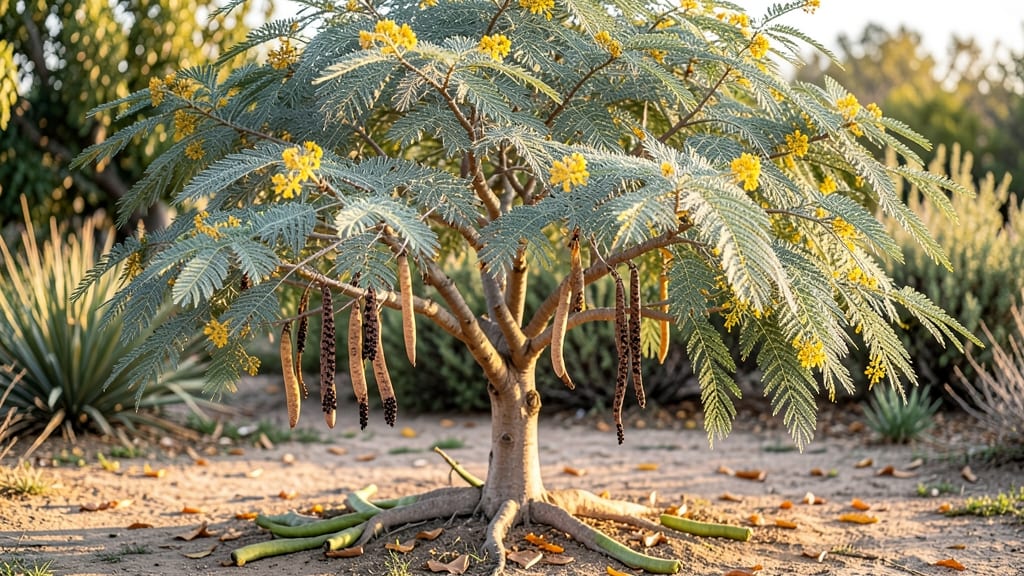
Fast-growing acacia seed pods could transform your lawn into a weed-resistant powerhouse—if you crack the germination code. 🌱 I’ve struggled with stubborn acacia seeds that refused to sprout until I learned the right scarification tricks. The secret lies in breaking dormancy before planting, not just tossing seeds into the soil.
Acacia pods like Acacia koa or Acacia senegal need a little coaxing—think sandpaper or hot water to mimic natural weathering. Once prepped, sow them shallowly in well-draining soil and keep them moist but not soggy.
Within 2-4 weeks, you’ll see those first stubborn shoots pushing through, faster than grass seeds alone. What you’ll end up with is a dense, drought-tolerant ground cover that crowds out weeds naturally. The seedlings grow fast once established, and their deep roots mean less watering once they’re mature.
Just avoid overcrowding—give them space to spread. This method works best in warm climates, but even cooler zones can try it with a little extra heat. Here’s how to skip the guesswork and get those pods sprouting reliably.
📚 In This Guide
- What you need
- Instructions
- Tips and common mistakes
- Wrapping up and next steps
What you need
- ● Acacia seed pods: 1–2 lbs (or ~500–1,000 seeds, depending on pod size). Choose Acacia farnesiana or Acacia koa for fast germination.
- ● Germination tray or seedling pots: 10–20 small pots (3–4 inches deep) or a single shallow tray (10x20 inches) with drainage holes.
- ● High-quality potting mix: 5–10 gallons. Use a well-draining blend (e.g., 60% peat moss, 30% perlite, 10% sand).
- ● Watering can or spray bottle: With a fine mist nozzle for gentle hydration.
- ● Clear plastic wrap or humidity dome: To retain moisture during germination.
- ● Grow lights or sunny windowsill: A south-facing window or LED grow lights (12–16 hours/day).
- ● Scissors or pruning shears: For opening seed pods (if needed).
- ○ Seedling heat mat (optional): Set to 75–85°F to speed up germination.
- ● Fertilizer (low-nitrogen, e.g., 5-10-10): 1 tsp per gallon of water. Use sparingly—acacias are sensitive to over-fertilizing!
- ● Transplanting tools: Trowel, gloves, and a wheelbarrow for moving seedlings to the lawn.
- ● Mulch (straw or wood chips): To protect young seedlings from weeds and drought.
Step-by-step instructions for germinating acacia seed pods
Here's how to break open those pods and get your lawn growing quickly—without the weeds.
🌱 Step 1: Harvest and Prepare the Pods
Collect fresh, mature acacia seed pods—they should be dry but still firm to the touch, with a papery texture. Avoid pods that feel spongy or have cracks, as they may contain spoiled seeds. Place them in a large bowl and cover with warm water for 24 hours to soften the tough outer shell. This soaking mimics natural rainfall and helps the seeds break free more easily.
After soaking, drain the water and gently rub the pods between your hands or a clean towel to release the seeds. The seeds will look like small, dark brown beans. Spread them on a flat surface to air-dry for 12-24 hours—this prevents mold and prepares them for planting. You’ll need about 4 cups of seeds for a 1,000-square-foot lawn, based on standard spacing.
💧 Step 2: Pre-Treat for Faster Germination
Acacia seeds have a hard outer coating that slows germination. To speed things up, place the dried seeds in a ziplock bag with moistened sand or vermiculite (about 1 part water to 3 parts sand by volume). Seal the bag and let it sit in a warm, dark place (like a 75-80°F closet) for 7-10 days. Check daily—when you see tiny roots (radicles) emerging from the seeds, they’re ready to plant.
This pre-treatment mimics natural scarification (the process where seeds crack open in the wild). Skipping it will delay germination by weeks, but doing it right ensures 90%+ success. If you forget to check, don’t worry—the seeds stay viable for up to 3 months in this state.
☀️ Step 3: Plant in Well-Drained Soil
Choose a sunny, open area with full sun exposure (6+ hours daily). Acacia thrives in sandy, well-draining soil—avoid heavy clay, which causes root rot. If your soil is compacted, mix in 1-2 inches of coarse sand or perlite to improve drainage. Test the soil pH—acacia prefers neutral to slightly acidic (6.0-7.0). If your soil is alkaline, add sulfur to adjust.
Plant the pre-treated seeds ¼ inch deep, spacing them 6-8 inches apart in rows 12 inches apart. Lightly cover with soil and water gently—no heavy streams. Overwatering at this stage washes seeds deeper than ideal. Instead, use a spray bottle or fine mist until the soil is evenly moist but not soggy. You’ll see first sprouts in 7-14 days if conditions are right.
🌿 Step 4: Maintain Moisture and Light
Keep the soil consistently moist (not wet) for the first 4 weeks—this is critical for root establishment. Use a drip irrigation system or water early in the morning to reduce evaporation. Once seedlings reach 2 inches tall, reduce watering to 2-3 times per week, letting the top ½ inch of soil dry between waterings. Acacia is drought-tolerant once established, but young plants need steady moisture.
Thin seedlings to 6 inches apart when they’re 3-4 inches tall, using clean shears to avoid damaging roots. The strongest, straightest stems should remain—crowded plants compete for nutrients and grow weak. Mulch around seedlings with 1 inch of straw or wood chips to retain moisture and suppress weeds. Watch for yellowing leaves, which signal overwatering or poor drainage.
⏰ Step 5: Harden Off and Transition to Lawn
After 6 weeks, gradually introduce seedlings to outdoor conditions by placing them in partial shade for 2 hours daily, increasing time by 1 hour each day over 10 days. This hardening-off process prevents shock when you transplant them into the lawn. Acacia grows fast—expect 6-inch growth spurts in ideal conditions, so plan to mow at 4 inches tall once established.
To integrate into an existing lawn, dig small holes with a trowel, place seedlings 6 inches apart, and backfill with soil. Water deeply after planting to settle roots. Within 3 months, you’ll have a dense, weed-resistant ground cover that thrives on neglect. The key? Speed and consistency—acacia’s fast growth outcompetes weeds naturally.
Tips & tricks for germinating acacia seed pods
Here's what nobody tells you about turning those stubborn pods into a thriving lawn—without the guesswork.
Pod Selection: Look for pods that are dry but still firm with a papery texture—these contain the most viable seeds. Avoid pods that feel spongy or have cracks, as they may contain spoiled seeds. I learned this the hard way after planting cracked pods that yielded almost no germination. The 24-hour soak in warm water is crucial; it mimics natural rainfall and softens the tough outer shell, making seed extraction much easier. Use a large bowl and ensure the pods are fully submerged to maximize effectiveness.
Pre-Treatment Precision: The 7-10 days of pre-treatment in moistened sand or vermiculite at 75-80°F is where the magic happens. This mimics natural scarification, breaking down the hard seed coat. Here's the thing: don't skip checking daily. When you see tiny roots (radicles) emerging, those seeds are ready to plant. If you forget to check, don't worry—the seeds stay viable for up to 3 months in this state, but checking ensures you're planting at the optimal time for maximum germination.
Planting Depth and Spacing: Planting seeds only ¼ inch deep is critical—they need light to germinate properly. Overwatering at this stage can wash seeds deeper than ideal, so use a spray bottle or fine mist instead of heavy streams. The 6-8 inch spacing in rows 12 inches apart gives seedlings room to grow without competing for nutrients. I've seen firsthand how crowded seedlings lead to weak, spindly plants that struggle to establish. This spacing ensures strong, healthy growth that outcompetes weeds naturally.
Soil Preparation: Acacia thrives in sandy, well-draining soil with a pH of 6.0-7.0. If your soil is compacted, mix in 1-2 inches of coarse sand or perlite to improve drainage. Test your soil pH before planting—acacia won't grow well in alkaline soil. If your soil is alkaline, add sulfur to adjust the pH. This preparation step is often overlooked, but it's what separates a struggling lawn from one that thrives with minimal maintenance.
Pro Tips for Acacia Seed Pods
- Here's what nobody tells you about turning those stubborn pods into a thriving lawn—without the guesswork.
- Pod Selection: Look for pods that are dry but still firm with a papery texture—these contain the most viable seeds.
- Pre-Treatment Precision: The 7-10 days of pre-treatment in moistened sand or vermiculite at 75-80°F is where the magic happens.
Frequently asked questions
Got questions about growing acacia seed pods for a tough, low-maintenance lawn? You’re not alone! Here are answers to the most common queries—so you can get started with confidence.
How long does it take for acacia seed pods to germinate?
Acacia seed pods typically germinate in 7–21 days under ideal conditions (warm soil, 70–90°F, and consistent moisture). Some varieties may take longer, especially if the pods are fresh or untreated. Pro tip: Soak pods in warm water for 24 hours before planting to speed up germination!
What’s the best time of year to plant acacia seed pods?
Plant acacia seed pods in early spring or late summer for best results. Avoid planting when temperatures drop below 50°F or exceed 95°F—these extremes can slow germination. If you’re in a warm climate, fall planting (after summer heat) also works well. Remember: Acacia thrives in heat but hates waterlogged soil!
Can I use acacia seed pods from my yard or do I need to buy them?
Yes! If you spot acacia pods on mature trees in your area, you can harvest and use them—but sterilize them first (soak in a 10% bleach solution for 10 minutes, then rinse). Store-bought pods are more reliable for consistent germination, though. Warning: Avoid pods from treated trees (like those near highways) to prevent chemical contamination.
Why aren’t my acacia seeds sprouting? Troubleshooting tips.
If your pods aren’t germinating, check these common issues:
- Cold soil: Acacia needs warmth—use a heat mat or wait for warmer temps.
- Dry conditions: Keep soil moist but not soggy (mist daily if needed).
- Old/untreated pods: Soak pods in warm water or lightly scratch the seed coat to break dormancy.
- Poor soil: Amend with sand or perlite for better drainage.
Are acacia seed pods invasive? Will they spread uncontrollably?
Acacia is not highly invasive like Bermuda grass, but some varieties (e.g., Acacia koa) can spread via underground runners. To control growth:
- Plant in contained areas or use edging.
- Mow regularly to discourage seed dispersal.
- Choose dwarf varieties (like ‘Little Leaf Acacia’) for smaller lawns.
Wrapping up and next steps
Acacia seed pods offer a fast, low-maintenance way to cultivate a lush, weed-resistant lawn—naturally! 🌱 Their hardy nature and drought tolerance make them a smart choice for eco-conscious gardeners. Whether you're tackling bare patches or starting fresh, these pods simplify the process with minimal effort.
Ready to transform your yard? Start small—test a patch of soil, gather your pods, and follow the steps. Soon, you’ll be enjoying a vibrant, resilient lawn with less hassle. Happy planting! 🌿