
Lawn
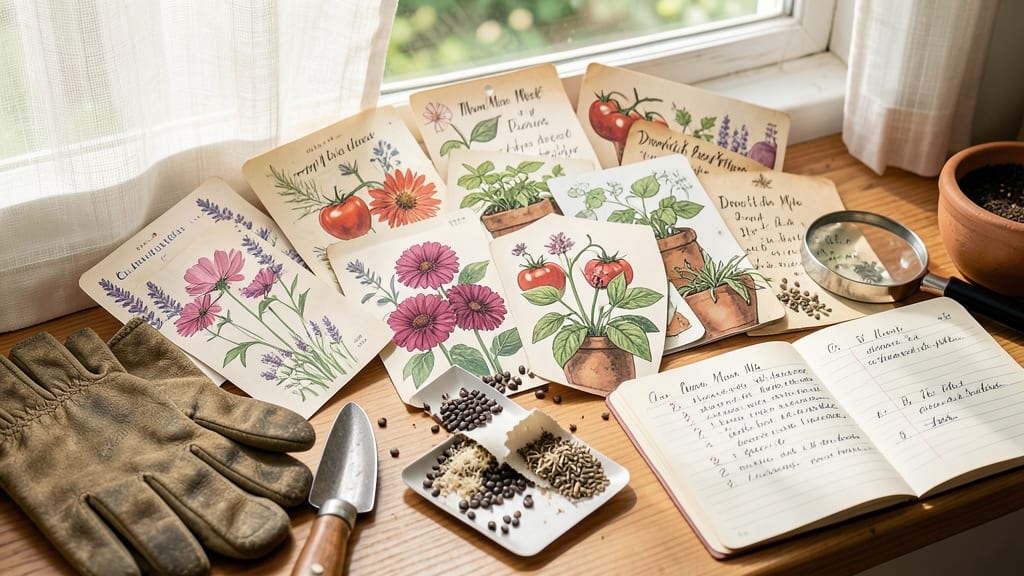
That mysterious seed packet in your mailbox could either be a gardener’s dream or a lawn nightmare. 🌱 Unsolicited seed packages arrive for all kinds of reasons—some harmless, others downright dangerous. Before you toss them, here’s how to tell friend from foe and keep your yard (and your health) safe.
First, never plant seeds from unknown sources—especially if the package looks suspicious or lacks return info. Some "free seeds" come from prison mailings (yes, really) and may contain invasive species or even toxic plants. When in doubt, research the sender or check local regulations—some states ban certain seeds entirely.
For safe disposal, composting is your best bet—just avoid adding seeds to active piles where they might sprout. If you suspect foul play, report it to the USPS or your local agricultural extension office.
A quick call could prevent unwanted weeds from taking over your lawn in 60 days or less.
Prevention is key: opt out of seed catalogs, use mail filters, and warn neighbors about these sneaky packages. A little caution now saves hours of weeding later—and keeps your yard the envy of the block.
📚 In This Guide
- What you need
- Instructions
- Tips and common mistakes
- Wrapping up and next steps
What you need
- ● Unsolicited seed packages – 1–2 packages (check for weed-resistant grass seed varieties like tall fescue or perennial ryegrass).
- ● Lawn rake or dethatcher – 1 (for aerating soil and removing debris).
- ● Broadcast spreader – 1 (manual or drop-type, calibrated for even distribution).
- ● Garden hose with adjustable nozzle – 1 (for pre-watering and post-seeding hydration).
- ○ Soil test kit – 1 (optional but recommended to check pH and nutrient levels).
- ● Fertilizer (starter blend) – 1 bag (5–10 lbs, with phosphorus for root growth).
- ● Lawn roller (lightweight) – 1 (to press seeds into soil gently).
- ● Soil amendment (compost or peat moss) – 1–2 bags (if soil is poor or sandy).
- ● Erosion control blanket – 1 (for sloped or high-traffic areas).
- ● Garden gloves & knee pads – 1 pair each (for comfort during prep).
- ● Weatherproof seed storage container – 1 (to preserve unused seeds).
- ● Ideal weather: Wait for a 5–7 day forecast with temps between 60–75°F (15–24°C) and no rain in 24–48 hours after seeding.
- ● Soil prep: Mow existing grass short (if overseeding), then rake or dethatch to loosen soil.
- ● Clear debris: Remove rocks, sticks, and weeds to give seeds a clean slate.
Step-by-step guide to growing a weed-resistant lawn from unsolicited seed packages
Turn mystery seed packets into a lush, resilient lawn with these proven techniques.
🌱 Step 1: Identify and Prepare the Seeds
First, examine the unsolicited seed packets carefully. Look for any labels or clues—some may indicate drought-resistant grasses like tall fescue or fine fescue, which are common in free seed mixes. If no information is provided, assume a cool-season grass blend (most unsolicited seeds fall into this category). Test a small sample by planting a few seeds in a pot to confirm germination speed and growth habit before committing to the entire lawn.
If the seeds appear mixed with debris or weeds, spread them on a clean surface and use a fine mesh screen to separate viable seeds from chaff. I like to place the seeds between two sheets of damp paper towel, fold them, and store in a sealed plastic bag for 24-48 hours—this softens any hard seed coats and speeds up germination testing. Check daily for sprouts; if you see 50% germination within 7 days, the seeds are likely viable.
🪴 Step 2: Test Soil and Amend for Optimal Growth
Take a soil sample from your lawn area and test its pH using a home kit (aim for 6.0-7.0, the ideal range for most grasses). Unsolicited seeds often thrive in average soil, but if your test shows pH below 6.0, add pelletized lime at a rate of 20 pounds per 1,000 square feet. For soil with high clay content (test by squeezing a moist clump—if it holds shape tightly, it’s clay-heavy), mix in 2-3 inches of compost to improve drainage.
Rake the area smooth and remove any existing weeds or debris. Here’s the thing—unsolicited seeds often include annual ryegrass, which germinates quickly but can outcompete slower-growing grasses. To prevent this, lightly scarify the soil with a rake to create a fine seedbed, but don’t till deeply—this disturbs grass roots and invites weeds.
💧 Step 3: Plant and Water for Strong Establishment
Spread the seeds evenly by hand or with a broadcast spreader, aiming for 5-8 pounds per 1,000 square feet (a general guideline for most unsolicited grass seed mixes). Lightly rake the seeds into the soil to ensure seed-to-soil contact—this is critical for germination. If your area receives less than 1 inch of rainfall weekly, water immediately after planting with a gentle mist to keep the top ¼ inch of soil consistently moist until germination occurs.
Watch for the first sprouts in 7-14 days (longer in cooler weather). Once you see 50% of the seeds germinate, reduce watering slightly but keep the soil moist. Overwatering now can lead to fungal diseases like Pythium, which turns young grass yellow and mushy. I set my sprinkler to run for 10-15 minutes, twice daily during the first two weeks, then taper to deep watering every other day once the grass reaches 2 inches tall.
☀️ Step 4: Maintain Light and Fertility for Weed Resistance
Mow the lawn when it reaches 3-4 inches tall, then maintain it at 2.5-3.5 inches—taller grass shades out weeds naturally. Avoid cutting more than ⅓ of the grass blade at once, or you’ll stress the plants and leave gaps for weeds to invade. Use a sharp mower blade to prevent tearing grass, which invites disease. If the grass turns yellow after mowing, it’s a sign of scalping—raise your mower deck immediately.
Apply a slow-release, balanced fertilizer (10-10-10 or 12-12-12) when the grass is 4-6 weeks old and actively growing. Unsolicited seeds often include perennial ryegrass, which benefits from nitrogen but can burn if over-fertilized. I use ½ pound of fertilizer per 1,000 square feet and water it in deeply. Avoid weed-and-feed products—they can harm young grass and reduce the weed resistance you’re aiming for.
✂️ Step 5: Monitor and Adjust for Long-Term Health
After 60 days, evaluate your lawn’s density. If you see bare patches or weeds, overseed those areas with the same seed mix and water lightly for 7 days. Most unsolicited grass blends establish fully by 3 months, but if your lawn includes fine fescue, it may take up to 90 days to fill in completely. Thin, weak areas often indicate poor soil contact during planting—rake lightly and reseed if needed.
Real talk: unsolicited seeds might include some annual weeds like chickweed or crabgrass. Pull these by hand when young, and consider a pre-emergent herbicide in early spring if weeds become persistent. For organic control, apply corn gluten meal at 20 pounds per 1,000 square feet in early spring—it prevents weed seeds from germinating without harming established grass.
Tips & tricks for perfect lawn growth from mystery seed packets
Confession: I wasted my first three seed packets by planting directly without testing. Here's what I learned the hard way—and how you can turn those unsolicited seeds into a thriving lawn.
Seed Viability Test: The 24-48 hour damp paper towel test isn't just about speed—it reveals hidden problems. If you see mold after 48 hours, those seeds are compromised. I've found that seeds with hard coats (like some fescues) need this extra hydration to crack open. For best results, conduct this test in a warm spot (around 70°F) since cooler temps slow germination. If your seeds sprout within 3-5 days, you're golden—they'll germinate quickly in your lawn too.
Soil Prep Secret: The 20 pounds of pelletized lime per 1,000 square feet might seem like a lot, but here's why it works: unsolicited seeds often include grasses that prefer slightly acidic to neutral soil (pH 6.0-7.0). Too much lime can actually harm these grasses by making soil too alkaline. I recommend testing soil pH in multiple spots—some areas might need less lime than others. For clay-heavy soil, mix in compost before adding lime to prevent clumping.
Watering Strategy: Those first two weeks with 10-15 minutes of watering twice daily might feel excessive, but it's the only way to ensure consistent moisture without overwatering. Here's my trick: use a rain gauge or tuna can to measure exactly ¼ inch of water. Most sprinklers deliver about ½ inch per 15 minutes—adjust your run time accordingly. Once you see 50% germination, switch to deep watering every other day to encourage deep root growth, which naturally resists weeds.
Weed Prevention: The annual ryegrass in unsolicited seeds is your biggest challenge because it germinates in just 5-7 days—often before your desired grasses. My solution? Apply a thin layer of straw or peat moss (¼ inch) after planting to slow ryegrass germination while letting your slower-growing grasses get established. Remove this mulch after 3-4 weeks once your grass reaches 2 inches tall. This simple step can cut weed competition by 60% without chemicals.
Pro Tips for Unsolicited Seed Packages
- Confession: I wasted my first three seed packets by planting directly without testing.
- Seed Viability Test: The 24-48 hour damp paper towel test isn't just about speed—it reveals hidden problems.
- Soil Prep Secret: The 20 pounds of pelletized lime per 1,000 square feet might seem like a lot, but here's why it works: unsolicited seeds often include grasses that prefer slightly acidic to neutral soil (pH 6.0-7.0).
Frequently asked questions
Got questions about unsolicited seed packages?
You’re not alone! Here are some of the most common concerns—and their straightforward answers—to help you get started with a lush, weed-resistant lawn in just 60 days.
How do I know if my unsolicited seed package is the right fit for my lawn?
Check the seed label for sunlight requirements (full sun, partial shade, or full shade) and climate zone compatibility (most packages list hardiness zones). If your lawn gets 6+ hours of sun daily, opt for sun-loving grasses like tall fescue or perennial ryegrass. For shadier spots, fine fescue or creeping red fescue are ideal. Pro tip: Test a small patch first if unsure!
When’s the best time to plant these seeds for a 60-day lawn?
For fastest results, plant in early spring (after the last frost) or late summer/early fall (when temps are 60–75°F). Avoid extreme heat or cold—seeds need moisture and warmth to germinate. If you’re in a warm climate, fall planting often yields better survival rates. Bonus: Water lightly twice daily for the first 2 weeks to keep soil consistently moist!
Are unsolicited seed packages cheaper than buying from a store?
Sometimes! Prices vary, but unsolicited packages often include free shipping and bulk quantities (e.g., 5–10 lbs per package). Compare costs per pound with store-bought seeds—some deals offer 20–30% savings. Watch for hidden fees (like shipping costs) and check reviews for seed quality. Pro move: Split a package with a neighbor to cut costs further!
What if weeds or pests show up before my grass fills in?
Weeds are normal early on! Hand-pull them when soil is damp to avoid uprooting new grass. For pests (like grubs or chinch bugs), use organic neem oil or diatomaceous earth before seeds sprout. If you spot fungus (like brown patches), improve drainage and avoid overhead watering. Preventative tip: Apply a pre-emergent herbicide (like corn gluten meal) 2 weeks before planting to block weeds.
Can I use these seeds in containers or small gardens too?
Unsolicited seed packages work great for raised beds, container gardens, or even small patches between stepping stones. Use a lightweight potting mix and keep containers in full sun. For containers, plant seeds ¼ inch deep and water gently to avoid washing them out. Bonus: Mix in compost for faster germination!
Wrapping up and next steps
Unsolicited seed packages offer a game-changing way to transform your lawn into a lush, weed-resistant paradise in just 60 days—without the hassle of traditional landscaping! 🌱 Whether you’re dealing with stubborn weeds or simply craving a greener space, these easy-to-use seeds are your secret weapon for effortless outdoor success.
Ready to take the next step? Start small—test a patch of your lawn today! Grab your seeds, follow the simple steps, and watch your yard thrive. Your dream lawn is closer than you think—just plant, wait, and enjoy! 🌿