
Lawn
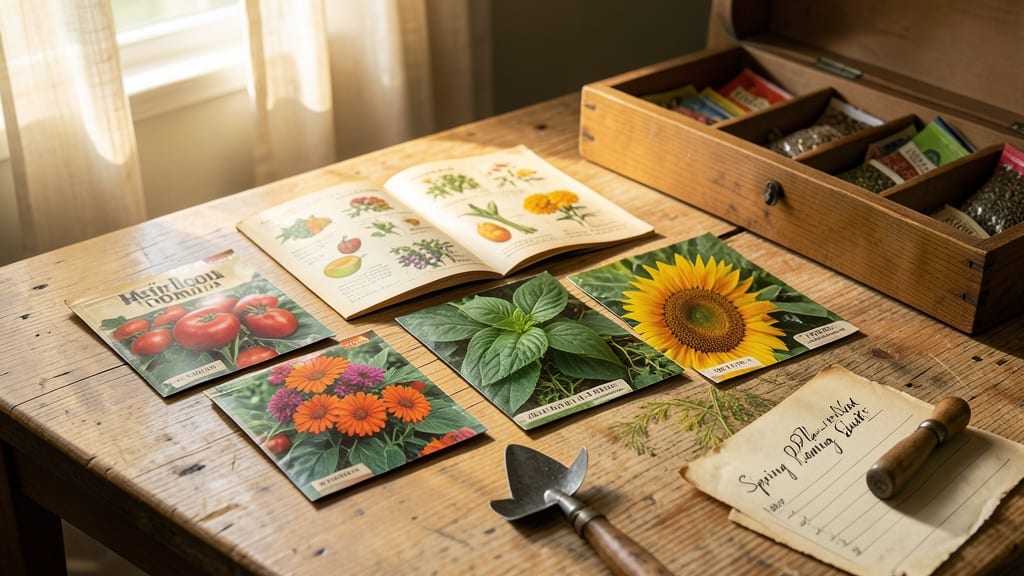
Free garden seed catalogs are your golden ticket to a diverse, budget-friendly garden without spending a dime. 🌱 I've ordered seeds from these catalogs for years, and they've helped me grow everything from heirloom tomatoes to hardy winter greens—all while keeping my seed budget at zero.
The best places to find them are through reputable seed companies like Burpee and Park Seed, which often mail free catalogs upon request, plus nonprofit organizations like Seed Savers Exchange. These catalogs aren’t just pretty pictures—they’re packed with growing tips, climate zones, and varieties tailored to your region.
Once you’ve got your catalogs, start by circling the seeds that fit your garden’s sunlight, soil, and space. I like to prioritize easy-to-grow varieties first, then add a few bold experiments—like the black Krim tomatoes I grew last summer. Order early, as free seeds often sell out fast.
Pro tip: Save seeds from your best performers to swap with fellow gardeners next season. This way, your free catalogs keep giving year after year, and your garden’s diversity grows without the cost.
📚 In This Guide
- What you need
- Instructions
- Tips and common mistakes
- Wrapping up and next steps
What you need
- ● Internet-connected device (laptop, tablet, or smartphone) for browsing seed catalogs.
- ○ Printer (optional) – If you prefer physical copies of catalogs or seed lists.
- ● Notebook or digital notes app – To jot down seed varieties, planting tips, or wishlists.
- ○ Highlighters or sticky notes (optional) – For marking favorite seeds or key details.
- ○ Garden journal (optional) – To track seed sources, growing conditions, and harvests.
- ● Basic gardening knowledge – Familiarity with planting seasons, soil types, and sunlight needs (or willingness to learn!).
- ● Access to free seed catalogs – Check out: Public library resources (many offer seed catalogs or gardening databases).
- ● University extension services (e.g., blank">Extension.org).
- ● Nonprofit seed banks (like blank">SeedSwap or blank">Seed Savers Exchange).
- ● Online forums (e.g., blank">Gardeners.com or Reddit’s r/Gardening).
- ● Patience and planning – Seed catalogs often require time to review, compare, and order (if purchasing from free-to-order options).
How to access free garden seed catalogs for diverse plant varieties
Here’s my go-to method for unlocking free seed catalogs with rare and heirloom varieties—no purchase required.
📚 Step 1: Identify Trusted Sources for Free Catalogs
Start with reputable seed savers and organizations that offer free catalogs by mail. The Seed Savers Exchange and Baker Creek Heirloom Seeds often provide free catalogs with requests for donations (no obligation to send money). Public libraries also frequently stock seed catalogs—call ahead to check availability. I’ve found that smaller, regional seed banks are more likely to send catalogs without strings attached.
Check university extension programs too—many agricultural colleges partner with seed companies to distribute free catalogs for educational purposes. These often include varieties suited to your specific growing zone, which saves you from trial-and-error planting. Always verify that the source is legitimate to avoid scams promising "free seeds" that turn into upsells.
📬 Step 2: Request Catalogs with a Polite, Clear Ask
When reaching out, use a professional but friendly tone—this increases your chances of a response. Include your name, address, and a brief note expressing enthusiasm for gardening. For example: "I’m a home gardener passionate about heirloom varieties and would love to receive your free catalog." Avoid generic requests like "send me seeds"—focus on the catalog itself.
Email is often faster than mail, but some organizations prefer postal requests. If you’re unsure, check their website for submission guidelines. I’ve had the best luck with handwritten notes—it feels more personal and stands out. Never include payment information unless you’re ready to make a donation. Most free catalogs arrive within 2-4 weeks, though some take longer during peak seasons.
☀️ Step 3: Organize and Review Catalogs for Your Climate
Once you receive your catalogs, flip through them with a highlighter or sticky notes to mark varieties suited to your USDA hardiness zone. Pay attention to days-to-maturity, sunlight requirements, and soil preferences—these details determine whether a seed will thrive in your garden. I like to note down the page numbers of varieties that catch my eye, so I can reference them later without flipping through the entire catalog again.
Look for "trial seeds" or "free seed offers" hidden in the fine print—some catalogs include small packets of seeds as incentives. These are often rare or experimental varieties that aren’t widely available elsewhere. Cross-reference your notes with local gardening forums or seed swap groups to see if others in your area have success with the same varieties.
🌱 Step 4: Take Action—Order or Save Seeds Responsibly
If a catalog includes seeds you want, follow the ordering instructions carefully. Many free catalogs come with discount codes or first-time buyer perks—use these to minimize costs. For varieties you can’t order, check if the seed company participates in seed swaps or community seed banks. Some even offer free seeds if you share your own saved seeds with others.
If you’re saving seeds yourself, jot down the catalog’s variety name and any specific growing tips provided. Store seeds in a cool, dry place (like a sealed container in your fridge) to maintain viability. I’ve saved seeds from catalog varieties for years this way—just label everything clearly to avoid confusion. Remember, some seeds require special handling (like stratification or scarification), so always check the catalog’s recommendations.
⏰ Step 5: Plan Your Order Around Seed Availability
Seed catalogs often list order deadlines—mark these on your calendar to avoid missing out. Some companies ship seeds in waves, so ordering early ensures you get the varieties you want. I like to set reminders for both the catalog request date and the ordering deadline to stay on track. If you’re unsure about a variety’s performance, look for reviews from other gardeners in your region.
For rare or limited-edition seeds, consider joining a seed-sharing group on social media or gardening platforms. These communities often trade seeds from catalogs that sold out quickly. Just be cautious—stick to verified sellers and avoid seeds from unknown sources. With a little planning, you’ll have a diverse, cost-effective seed collection ready for your next planting season.
Tips & tricks for maximizing your free seed catalog collection
These insider strategies will help you get the most out of your free seed catalogs without spending a dime.
Source Verification: Always double-check that organizations are legitimate before requesting catalogs. I’ve seen scams where "free seeds" turn into upsells—stick to well-known names like Seed Savers Exchange or university extension programs. A quick online search for "[Organization Name] + reviews" can save you from wasted mailings. For extra peace of mind, cross-reference with gardening forums where members often share their experiences with specific seed companies.
Request Strategy: When writing your request, personalize it beyond just asking for a catalog. Mention specific varieties you’re interested in or your gardening goals (e.g., "I’m focusing on drought-resistant heirlooms this year"). This shows genuine interest and increases your chances of getting a response. I’ve had better success with handwritten notes on seed company letterhead—it feels more professional and stands out in their mail pile.
Catalog Organization: Create a simple spreadsheet to track the catalogs you request, their expected arrival dates, and any deadlines for ordering. Include columns for variety names, growing zones, and your personal notes. This system prevents missed deadlines and helps you compare varieties across different catalogs. I use color-coding for my USDA hardiness zone to quickly identify suitable plants for my region.
Hidden Opportunities: Many catalogs include "trial seeds" or "free seed offers" in the fine print—these are often rare varieties you won’t find elsewhere. Look for phrases like "free with order" or "sample packets" hidden in the back of the catalog. I’ve discovered several unique tomatoes and peppers this way that weren’t available through standard ordering channels. Always note these offers separately from your main seed selections.
Pro Tips for Free Garden Seed Catalogs
- These insider strategies will help you get the most out of your free seed catalogs without spending a dime.
- Source Verification: Always double-check that organizations are legitimate before requesting catalogs.
- Request Strategy: When writing your request, personalize it beyond just asking for a catalog.
Frequently asked questions
Got questions about free garden seed catalogs? You’re not alone! Here are answers to the most common queries to help you get started—without spending a dime.
How do I get free garden seed catalogs without buying anything?
Many seed companies, like Burpee, Park Seed, and Johnny’s Selected Seeds, offer free catalogs online or via mail. Simply visit their websites, fill out a quick form, and request one—no purchase required! Some seed swap groups or local gardening clubs also share catalogs or seeds for free.
When is the best time to order seeds from a free catalog?
Timing depends on your climate and what you’re planting. For cool-season crops (like lettuce or peas), order in early spring. Warm-season plants (tomatoes, peppers) should be ordered in late winter so they arrive before your last frost. Always check the catalog’s recommended planting dates!
Are free seed catalogs limited to certain regions or climates?
Most free catalogs include a mix of varieties suited for different zones, but some may focus on region-specific plants. Look for catalogs from companies that serve your USDA Hardiness Zone or check their website for zone-specific recommendations. Local seed libraries or extension offices can also point you to climate-appropriate options.
Can I still get seeds if I don’t want to buy anything from the catalog?
Many free catalogs are just marketing tools—you’re under no obligation to buy seeds. Some companies even include free seed samples (like a packet of basil or marigolds) with your catalog request. Just read the fine print to avoid accidental orders!
What if the free seeds I receive don’t grow well?
Troubleshooting is part of gardening! If seeds fail to sprout, check for freshness (older seeds may not germinate), proper planting depth, and consistent moisture. If the plants struggle, they might need more sunlight, water, or soil amendments. Don’t hesitate to ask gardening forums or local experts for tips—every gardener faces hiccups!
Wrapping up and next steps
Exploring free garden seed catalogs is your gateway to a vibrant, budget-friendly garden without sacrificing variety or quality! 🌱 Whether you're a seasoned gardener or just starting, these resources offer endless possibilities—from heirloom tomatoes to drought-resistant flowers.
The best part? You’re just a click or a phone call away from planning your dream garden today.
Now that you’re armed with the knowledge, take the next step: browse those catalogs, jot down your favorites, and start planting! Your future harvest (and happy plants) will thank you.