
Plants
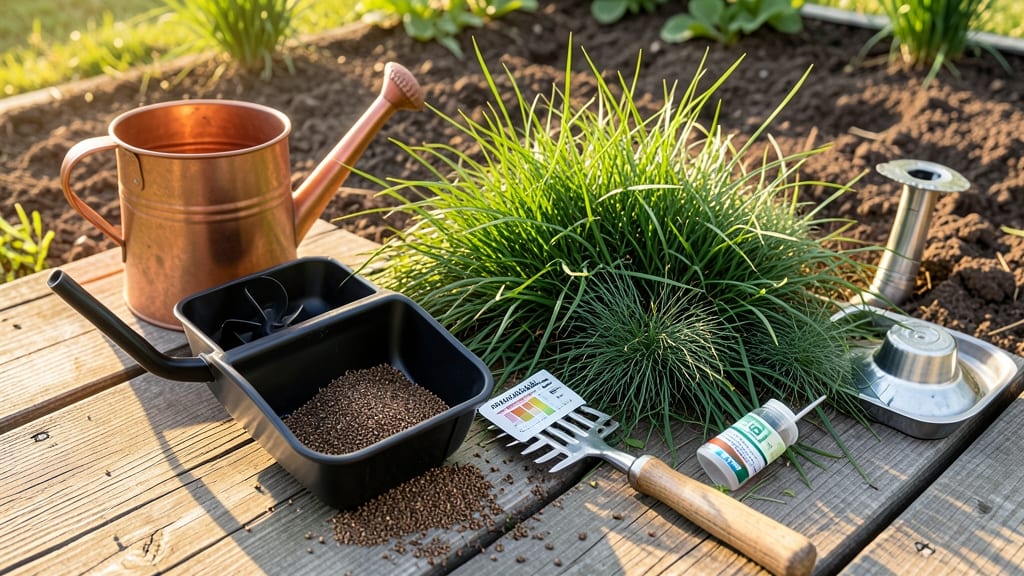
Planting grass seed in Wyoming requires timing that accounts for elevation shifts, frost risks, and soil temperatures — and getting it wrong can mean a thin, patchy lawn.
Wyoming’s dramatic elevation shifts—from high-altitude plateaus to lower river valleys—mean your grass seed planting window isn’t one-size-fits-all. Plant too early or late, and your lawn could struggle with frost, drought, or poor root growth.
In this guide, I’ll break down the elevation-specific timeline for Wyoming’s USDA zones 4a-7b, including when to plant in the lowlands (like Cheyenne) versus high country (like Jackson Hole).
You’ll also discover how soil prep, seed variety, and watering habits can make or break your 🌱 grass establishment—even if you pick the perfect planting window.
Wyoming grass seed planting timeline by elevation (lowlands vs. high country)
Wyoming’s three distinct elevation zones create wildly different planting conditions. At 3,000–5,000 feet (like Laramie or Casper), soil warms faster, while 7,000+ feet (Jackson Hole or Yellowstone areas) often face late snowmelt and shorter growing seasons.
Even within zones, microclimates—like windy plains or sheltered valleys—shift ideal planting dates by weeks.
Timing is critical because soil temperature must reach 50°F (10°C) for germination. Below that, seeds rot; above 85°F (29°C), they dry out. Wyoming’s last frost dates range from April 15 in Cheyenne to June 1 in Jackson, forcing high-country gardeners to wait longer.
Let’s break down the exact windows for each zone.
For lowland areas (3,000–5,000 ft), like Cheyenne or Rawlins, spring planting starts in early March if soil isn’t frozen. Use a soil thermometer—50°F (10°C) is your minimum.
In Jackson Hole (7,000+ ft), wait until late May to avoid frost, even if soil looks dry. Mid-elevation zones (5,000–7,000 ft), such as Laramie or Rock Springs, offer a middle ground but require patience due to late snowmelt.
Fall planting is trickier in Wyoming. Aim for August–September in lowlands, but shift to July–early August above 7,000 feet. Seeds need 6–8 weeks to establish roots before winter.
In high-country microclimates, like sheltered valleys near Cody, you might squeeze in a late-August planting, but avoid seeding after Labor Day—frost can strike by mid-September.
Soil temperature is your best guide, not calendar dates. Bury a soil thermometer 2 inches deep—if it reads below 50°F (10°C), wait. In windy plains, like near Gillette, use windbreaks or straw mulch to protect young seedlings.
For shaded areas (common in high-elevation forests), choose fine fescue blends, which tolerate cooler, moister conditions.
Wyoming’s drought cycles add another layer. After planting, water daily for 14 days to keep soil moist but not soggy. In lowland zones, reduce to 2–3 times per week once sprouts appear. Above 7,000 feet, overwatering can leach nutrients—stick to deep, infrequent watering to encourage deep roots.
Pro tip: Test your soil’s pH before planting. Wyoming’s alkaline soils (pH 7.5–8.5) often need sulfur or peat moss to lower pH for optimal grass growth. Aim for a neutral pH (6.0–7.0) for cool-season grasses like Kentucky Bluegrass or Tall Fescue.
Microclimates can shift your timeline by 2–4 weeks. For example, Jackson Hole’s valley floors warm faster than surrounding mountains, while urban areas like Laramie may experience heat islands that allow earlier spring planting.
Always scout your specific site for 3–5 days before seeding to check for frost risk or dry spells.
Remember: Patience is key in Wyoming’s high country. Seedlings may take 3–4 weeks to emerge at 7,000+ feet due to cooler soils. Avoid walking on new grass until it’s 3–4 inches tall—this protects delicate roots.
With the right timing, your lawn will establish strong roots before Wyoming’s first hard frost, which can hit as early as mid-September in high elevations.
5 Critical factors that determine your Wyoming grass seed planting success
Wyoming’s unique climate challenges—like late snowmelt and short growing seasons—mean your grass seed planting success depends on more than just timing. While elevation guides the basics, soil conditions, precipitation patterns, and even urban vs. rural microclimates can shift your ideal planting window by weeks.
For example, Cheyenne’s dry plains demand drought-tolerant varieties, while Jackson Hole’s moist mountain air allows for later fall plantings.
Choosing the wrong grass seed variety is another common mistake. Wyoming’s USDA zones 4a-7b favor cool-season grasses like Kentucky Bluegrass or Tall Fescue, which thrive in spring/fall but struggle if planted in summer’s heat.
Meanwhile, warm-season grasses like Buffalo Grass (native to Wyoming) need earlier spring plantings to establish before summer droughts hit. Soil type also plays a role—clay-heavy soils in Laramie slow germination, while sandy soils in Rawlins dry out faster.
Don’t overlook local microclimates. Urban areas like Casper experience heat island effects, where pavement raises temperatures by 5-10°F, while windy plains near Rock Springs require windbreak strategies to prevent seed erosion. Even a 500-foot elevation change can shift your frost dates by 2-3 weeks, making precise planning essential.
For instance, planting in early March works in Laramie (7,000 ft) but risks frost damage in Green River (4,000 ft).
Wyoming’s variable precipitation is a game-changer. In dry years, like 2020, spring plantings in southeastern Wyoming (e.g., Sheridan) require drought-resistant varieties like Fine Fescue, while western slopes (e.g., Jackson) benefit from fall plantings to leverage winter moisture.
Always check 30-day rainfall forecasts—planting during dry spells can leave seeds exposed, while excess rain risks erosion or fungal issues. A light mulch (like straw) helps retain moisture in windy areas.
Finally, local microclimates can override general rules. For example, urban heat islands in Cheyenne or Laramie can push planting dates 2 weeks earlier than rural areas, while protected valleys (like Wind River Basin) may allow late fall plantings thanks to cooler nights.
Always scout your yard: South-facing slopes warm faster, while north-facing areas stay cooler longer. Adjust your schedule accordingly—precision matters in Wyoming’s extremes.
By accounting for these five critical factors, you’ll avoid the #1 mistake Wyoming gardeners make: planting at the wrong time for their specific conditions.
Whether you’re seeding a front yard in Casper or a mountain meadow in Jackson, tailored timing ensures stronger roots, faster establishment, and a lawn that thrives despite Wyoming’s challenges. 🌿