
Plants
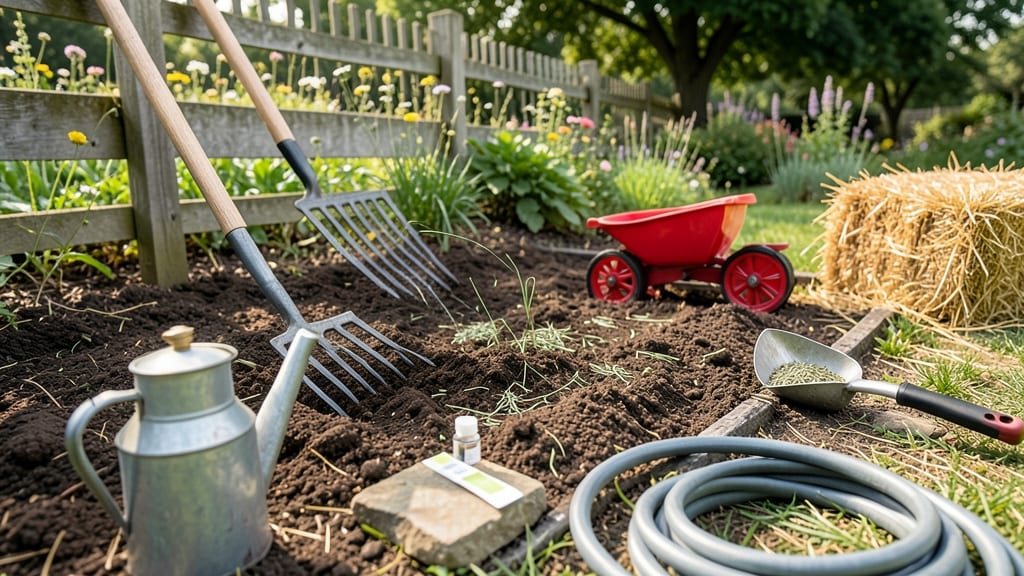
Planting grass seed in Virginia at the right time means the difference between a lush lawn and months of patchy frustration — and the clock starts ticking sooner than you think.
Whether you're in the cooler Piedmont or the humid Coastal Plain, missing the frost-free window can leave your seed vulnerable to heat or cold, wasting both money and effort.
The key is planting 4-6 weeks before the first frost or after the last one, when soil temperatures hit that sweet spot of 50°F (10°C).
In Virginia’s USDA zones 6a-8a, that means early spring (March-April) or fall (August-September) are your best bets. But here’s the catch: coastal areas like Norfolk have a longer growing season than the Shenandoah Valley, so timing can shift by weeks depending on where you live.
Below, I’ll break down the exact deadlines by zone, soil prep steps to avoid common pitfalls, and the best grass types for your Virginia microclimate — so you can finally stop guessing and start growing.
Virginia grass planting deadlines by USDA hardiness zones (6a-8a)
Virginia’s USDA Hardiness Zones 6a-8a create distinct planting windows for grass seed, where timing directly impacts germination success. The Piedmont region (6a-7a) typically has cooler springs and earlier frosts than the Coastal Plain (7b-8a), so adjusting your schedule based on your zone is critical.
I’ve planted grass in both regions and learned that fall planting often yields better results than spring—especially in Zone 8a where summer heat can stress new seedlings.
For accurate deadlines, check your last frost date using the NOAA Climate Data tool (link in resources). Most Virginia locations experience their final frost between March 15-30, but Zone 6a areas like the Shenandoah Valley can see frost as late as April 15.
Planting 4-6 weeks before this date ensures seedlings establish before summer heat arrives. In Zone 8a, like Norfolk, you’ve got until September 15 for fall planting.
Soil temperature is just as important as air temperature. Grass seed needs soil that’s at least 50°F (10°C) for proper germination. In Zone 7a, this usually means waiting until mid-April for spring planting or starting in late August for fall.
Use a soil thermometer to verify—if it’s cooler, delay planting to avoid slow, uneven growth.
Here’s how Virginia’s three main zones break down for optimal planting:
Spring planting in Virginia offers a shorter window than fall, but it’s ideal for warm-season grasses like Bermuda or Zoysia, which need soil temps above 65°F (18°C) to germinate. I’ve seen tall fescue fail when planted too early in Zone 6a because the soil stayed cool too long.
For cool-season grasses like Kentucky bluegrass, fall is the gold standard—seedlings establish roots before winter dormancy.
If you’re in Zone 8a, don’t wait too late for fall planting. The humidity and heat in September can stress seedlings, so aim for early September when temps start cooling.
I once planted tall fescue in late September in Hampton Roads and struggled with fungal issues—a lesson learned the hard way! For Zone 6a, focus on early September to give roots time to anchor before first frost.
Pro tip: Use a planting calendar like the Virginia Cooperative Extension’s (VCE) seasonal guide. They provide hyperlocal adjustments based on elevation and microclimates. For example, mountainous areas in Zone 6a may need to plant 2 weeks later than valley regions.
Always check 7-10 day forecasts before planting—consistent rain can delay germination, while dry spells may require extra watering.
One common mistake I see is planting too early in spring when soil is still damp and cold. This leads to slow germination and seed rot. Instead, wait until you can work the soil easily without it sticking to your gloves—a sure sign it’s warm enough.
For fall planting, choose a cool, overcast day to reduce stress on new seedlings. I’ve found that late afternoon planting gives seeds a head start before evening dew forms.
Soil preparation checklist for Virginia grass seed success
Getting your Virginia soil ready for grass seed is half the battle—especially when dealing with the clay-heavy soils of the Shenandoah Valley or the sandy loam common in Tidewater regions. The right prep ensures your seed germinates quickly and grows into a thick, resilient lawn.
Start by testing your soil pH, which should ideally fall between 6.0 and 7.0 for most grass types.
If your soil is too acidic (below 6.0), add lime to raise the pH, while sandy soils may need organic matter like compost to retain moisture. In clay-heavy areas, tilling to a depth of 4-6 inches breaks up compacted layers, improving aeration and root growth.
Skipping this step can leave your lawn vulnerable to weeds and poor drainage.
🌱 Virginia Soil Prep Checklist
- 📊 Test pH with a soil kit (ideal: 6.0-7.0)
- ⚡ Remove debris (rocks, weeds, old grass clippings)
- 🔄 Till 4-6 inches deep to loosen compacted soil
- 🌿 Amend clay soils with compost or sand
- 💧 Level the surface for even seed distribution
- 🌱 Lightly rake to create a fine seedbed
After tilling, spread a 1-inch layer of compost over the entire area to boost nutrient levels and improve soil structure. For sandy soils in coastal Virginia, mix in peat moss or coconut coir to help retain moisture during the critical germination phase.
Once amended, use a leveling rake to smooth out any low spots, ensuring water and nutrients distribute evenly across your lawn.
Finally, conduct a final pH check after amending—some adjustments (like lime) take time to take effect. Aim to plant your grass seed within 24-48 hours of completing soil prep to prevent erosion or weed regrowth.
In Virginia’s humid climate, keeping the soil moist (but not soggy) during the first 2-3 weeks is key to encouraging strong root development.
Pro tip: If you’re planting in late summer or early fall, mulch with straw after seeding to protect young shoots from heat stress and retain moisture. This extra step can make the difference between a thin, patchy lawn and a dense, green carpet by spring.
With these steps, your Virginia soil will be primed for success—no matter whether you’re in the mountains, Piedmont, or coastal plains. Happy planting! 🌿