
Lawn
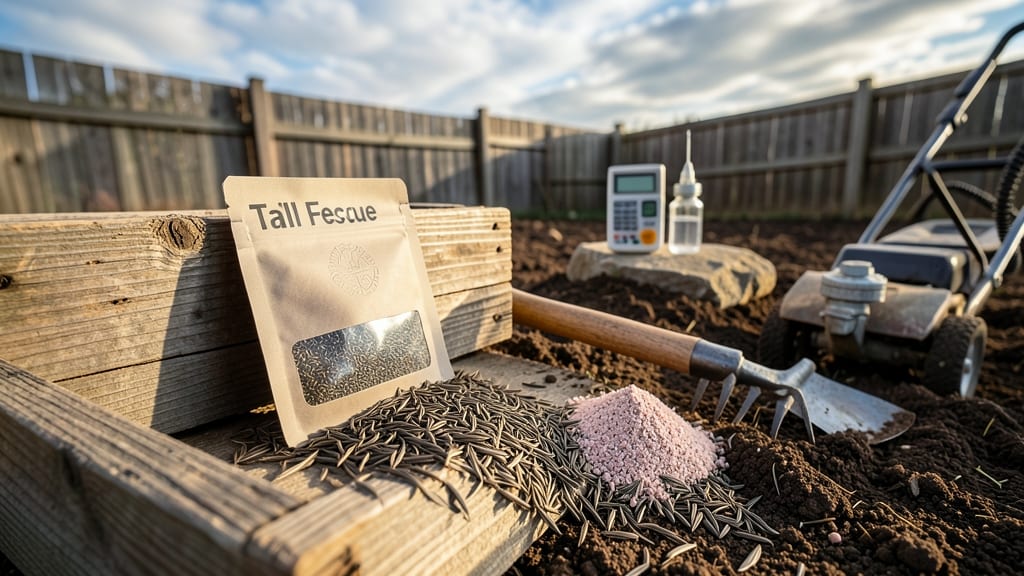
Planting grass seed in Virginia’s spring means timing it right—between March and April—when soil warms to 55-65°F and the last frost has passed for your zone.
Get it wrong, and you’re staring at patchy lawns or wasted seed. I’ve seen two years’ of work undone by a late freeze, and trust me, you don’t want that. The key isn’t just the calendar—it’s soil temperature, rainfall, and even your microclimate.
Virginia’s zones 5b through 8a each have their own sweet spot, from coastal areas where the ground thaws earlier to the Piedmont’s slower start. We’ll break down the exact dates by zone, plus how to tell when your soil is truly ready.
You’ll also discover the best grass types for your region, how to prep soil like a pro, and the watering schedule that keeps your new grass thriving—not just surviving.
Virginia’s spring grass seed planting window by USDA hardiness zones
Virginia’s diverse geography—from the coastal plains to the Blue Ridge Mountains—creates distinct planting zones that can shift your ideal grass seed timing by 4-6 weeks. The USDA zones 6a-7b cover most of the state, but microclimates like Richmond’s Piedmont heat or Roanoke’s mountain chill demand precision.
According to Virginia Tech Extension, soil temperatures between 55-65°F trigger optimal germination, but hitting that window too early risks frost damage.
Early spring planting (March-April) offers cooler temps and consistent moisture, but late spring (May) can work in warmer zones like Norfolk (7b). The tradeoff? Early planting risks late frosts, while late planting may face summer drought stress.
Let’s break down the best dates by zone to avoid these pitfalls.
⚠️ CRITICAL: Never plant when nighttime temps dip below 40°F—seedlings will fail. Use a soil thermometer (4 inches deep) to confirm readiness.
In Zone 6a (mountains), aim for mid-March when soil warms to 55°F, but delay if frost warnings persist. Zone 7b’s coastal areas can wait until early May—just ensure humidity levels stay below 70% to prevent fungal issues.
Pro tip: Tall fescue thrives in Virginia’s heat, while Kentucky bluegrass needs cooler temps to establish.
For Piedmont regions (like Richmond), late April is ideal—this balances soil warmth with rainfall reliability. If you miss spring, fall planting (September) is the next best option, but avoid seeding after October 15 when dormancy sets in.
Always test soil pH (6.0-7.0) and amend with compost 2 weeks before planting.
Regional quirks matter: Shaded lawns (common in wooded Piedmont areas) need fine fescue blends, while sun-baked coastal yards demand drought-resistant Bermuda grass mixes. Check Virginia Cooperative Extension’s frost maps for real-time updates—last year’s April 20 frost in Roanoke ruined many early plantings.
After seeding, keep soil consistently moist (not soggy) for 3-4 weeks—this is critical in Virginia’s unpredictable spring showers. Use a light mulch (straw, not wood chips) to retain moisture without smothering seedlings. In Zone 7b’s humidity, water
Signs your Virginia soil is ready (and not too early) for grass seed
Don’t let the calendar fool you—Virginia’s spring weather can be deceptive. I’ve planted grass seed in early March only to watch frost nip tender sprouts, or waited until May and ended up with drought-stressed seedlings. The key is reading your soil’s signals, not just checking the date.
Soil temperature, moisture, and workability are your true guides. A 4-inch soil thermometer (or even a reliable weather app) will show you when the ground has warmed to 55-65°F, the sweet spot for germination. But before you rush out with seed, perform these three simple tests to confirm readiness.
-
1The Squish Test: Press your hand into the soil. If it holds a slight impression but doesn’t crumble, it’s perfectly moist. If it’s rock-hard or muddy, wait. Overwatered soil suffocates seeds, while dry soil repels them.
-
2Shovel Depth Rule: Dig a 6-inch trench. If the soil breaks apart easily with a garden fork and isn’t compacted, it’s ready. Clay-heavy soils may need aeration first—rent a core aerator if needed.
-
34-Inch Soil Temp: Use a soil thermometer (or check local Virginia Cooperative Extension data) for consistent readings above 55°F. Coastal areas (like Norfolk) may hit this by late February, while the Blue Ridge Mountains lag until mid-April.
-
4Frost Risk Check: Delay planting if nighttime temps dip below 40°F. Use a frost calendar for your county—Virginia Tech’s Virginia Climate tool is my go-to.
Watch for these red flags that mean your soil isn’t ready: cracked soil (sign of drought stress), standing water (poor drainage), or frost warnings in the forecast. In my Piedmont garden, I’ve learned to wait until after the azaleas bloom—a natural signal that the ground has warmed enough.
Once you’ve passed these tests, act fast. Grass seed has a 3-4 week germination window, and Virginia’s spring showers can turn your prep work to mud in minutes. I recommend spreading seed on a cool, overcast morning to reduce evaporation and stress on the delicate sprouts.
After planting, keep soil moist but not soggy—daily light watering for the first two weeks is critical. I set a rain gauge near my lawn to track moisture; aim for ½ inch of water per week.
Avoid walking on new seed until it’s 1-2 inches tall—trampled sprouts won’t recover.
Remember: Patience pays off. I’ve seen thin, patchy lawns from rushing, but dense, green carpets from waiting. Trust the soil’s signals, not the calendar, and you’ll have a lawn to envy by summer.