
Plants
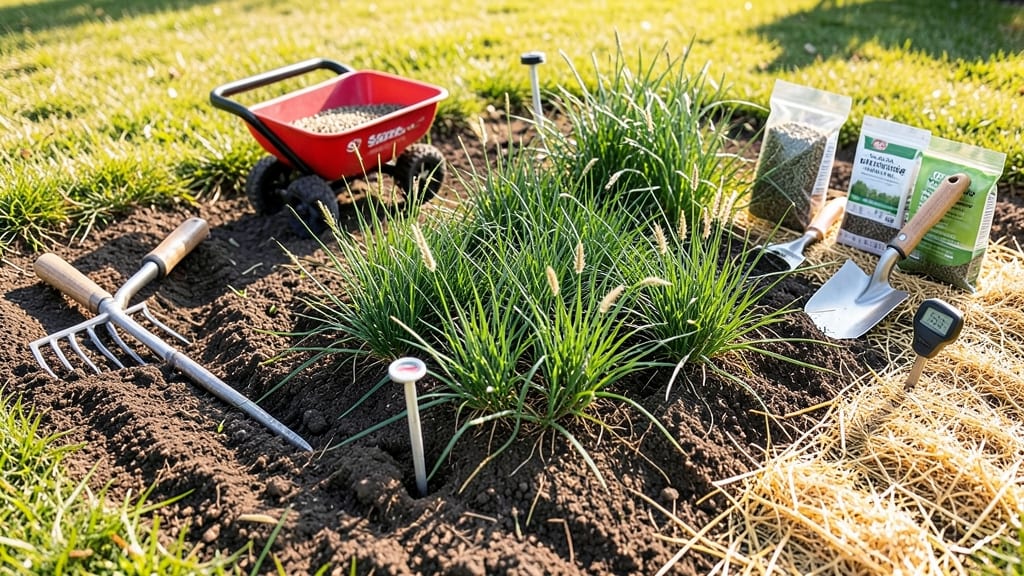
Planting grass seed in Vancouver at the right time means the difference between a lush, weed-resistant lawn and a patchy, weed-choked mess.
Vancouver’s unpredictable weather can turn a lush, green lawn into a battleground—unless you time your grass seed planting perfectly. Plant too early or late, and weeds, drought, or frost will sabotage your efforts.
In this guide, I’ll break down the two best windows—early spring (March–April) and early fall (September–October)—plus how to prep your soil for Vancouver’s rainy climate and avoid common mistakes that derail even the most eager gardeners.
By the end, you’ll know exactly when to plant, what soil conditions to aim for, and how to keep your lawn thriving year-round in USDA Zone 8a.
Best times to plant grass seed in Vancouver: spring vs. fall breakdown
Vancouver’s cool maritime climate gives you two prime windows to plant grass seed: early spring and early fall. These seasons offer the perfect balance of soil warmth, moisture, and minimal weed competition.
But timing matters—plant too early, and frost will set back growth; too late, and weeds will steal the show. Let’s break down the ideal planting months and what makes each season unique for your Vancouver lawn.
For spring planting, aim for mid-April to early May when soil temperatures consistently stay above 50°F (10°C). This gives seeds time to germinate before summer heat arrives.
In fall, September to early October is your best bet—seeds establish roots before winter, giving you a head start in spring. But coastal areas like West Vancouver may need to adjust by a week or two due to milder temperatures.
Here’s the key difference: Spring planting means battling weed germination that peaks in June, while fall planting lets your grass outcompete weeds early. Both seasons avoid the dormant periods of winter and the heat stress of summer.
Your choice depends on whether you prefer a summer-ready lawn (spring) or a low-maintenance winter transition (fall).
Soil temperature is your best guide. Use a soil thermometer to confirm 50–65°F (10–18°C)—the sweet spot for germination. In Vancouver, this usually aligns with late April for spring and early September for fall. Pro tip: Check temperatures at 4-inch depth, where seeds will be planted. Coastal areas like Stanley Park may stay cooler longer, so wait until mid-May if needed.
Vancouver’s microclimates add another layer. The Interior (e.g., Maple Ridge) warms up faster in spring, while the Coastal (e.g., Point Grey) stays cooler. Use these rules of thumb: Interior can plant 2–3 weeks earlier than the coast.
For example, if the coast is ready in mid-April, the Interior might be good to go by late March. Always monitor local forecasts for frost warnings—even in spring, late frosts can damage young seedlings.
| Season | Optimal Planting Window | Soil Temp Range | Key Advantages | Weed Risk |
|---|---|---|---|---|
| Spring | Mid-April to Early May | 50–65°F (10–18°C) | Faster summer establishment, full growth by June | High (June–July) |
| Fall | September to Early October | 50–65°F (10–18°C) | Weed suppression, roots establish before winter | Low (dormant weeds) |
| Coastal Areas | Late April–Early June | 50–60°F (10–15°C) | Cooler soils delay germination; extend window | Moderate (cooler = slower weeds) |
| Interior Areas | Late March–Mid-April | 55–70°F (13–21°C) | Warmer soils = faster germination; plant earlier | High (spring weeds peak earlier) |
If you’re torn between seasons, consider your grass seed type. Cool-season grasses like Kentucky bluegrass or fine fescue (ideal for Vancouver) thrive in both spring and fall. But warm-season grasses (like Bermuda) won’t survive our winters—stick to cool-season blends for year-round success.
For the best results, choose a pre-mixed cool-season blend labeled for Pacific Northwest climates.
Once you’ve picked your season, prep your soil 1–2 weeks ahead. Remove debris, loosen compacted soil, and level the area. A soil test (aim for pH 6.0–7.0) ensures your seeds won’t struggle to access nutrients.
In Vancouver’s acidic soils, you may need to add lime or compost to create the perfect environment. Pro tip: Rake lightly after planting to bury seeds ¼ inch deep—this protects them from drying out and birds.
How to prepare Vancouver soil for grass seed success (step-by-step)
Vancouver’s clay-heavy soils and acidic pH levels can stifle grass seed germination if not prepped properly. The key to a lush, weed-resistant lawn starts with soil that’s loose, nutrient-rich, and balanced.
I’ve learned from years of trial-and-error that testing and amending your soil before planting saves time and frustration—especially in our damp climate where fungal growth can outcompete your grass.
Start by clearing the area of debris, rocks, and weeds. Use a broadfork to loosen compacted soil without turning it over, which preserves the soil’s natural structure. For Vancouver’s clay soils, mix in 2–3 inches of compost or aged manure to improve drainage and fertility.
This step is non-negotiable—clay soil can suffocate seeds if left untouched.
Prep Your Soil for Grass Seed Success
- 🔍 Test Soil pH: Aim for 6.0–7.0. Use a home test kit or send a sample to a lab. Vancouver’s soils often skew acidic (below 6.0), which stunts grass growth.
- 🌱 Amend Acidic Soil: Sprinkle pelletized lime (10–20 lbs per 1,000 sq ft) if pH is below 6.0. Work it into the top 4–6 inches of soil and water thoroughly.
- 🪴 Loosen Compacted Soil: Rent a tiller or use a broadfork to break up hardpan. Focus on the top 6 inches where seeds will germinate.
- 🌿 Remove Weeds: Choose organic methods (vinegar spray, corn gluten) or herbicides (glyphosate) 2–4 weeks before planting. Weeds steal nutrients and shade out seedlings.
- 💧 Level the Ground: Rake the soil smooth to ensure even seed distribution. Fill low spots with a mix of sand and compost (50/50 ratio).
- 🌱 Choose the Right Seed: Opt for a cool-season blend like fine fescue or Kentucky bluegrass, which thrive in Vancouver’s mild winters. Avoid warm-season grasses like Bermuda.
- ✅ Final Check: Lightly water the soil until it’s moist but not soggy. This primes it for seed germination and prevents crusting.
After prepping, choose your seed blend wisely. Vancouver’s cool, wet climate favors cool-season grasses like fine fescue or tall fescue, which handle our mild winters and high rainfall better than warm-season varieties. Mixes with 10–20% perennial ryegrass add quick germination for temporary coverage while the slower-growing fescues establish.
Once planted, water deeply twice daily for the first 2 weeks to keep the soil consistently moist. Avoid overhead sprinklers—they can wash seeds away.
Instead, use a soaker hose or gentle misting nozzle. Fertilize lightly 4–6 weeks after germination with a balanced 10-10-10 formula to encourage root growth without burning tender seedlings.
Pro tip: Mulch with straw after planting to retain moisture and protect seeds from bird damage. Use straw (not hay), which won’t introduce weeds. This extra layer is especially helpful in Vancouver’s windy coastal areas where seeds can dry out quickly.
With these steps, your Vancouver lawn will establish a dense, resilient turf that outcompetes weeds naturally. The key is patience—cool-season grasses grow slowly at first but reward you with low-maintenance beauty year-round. 🌱