
Lawn
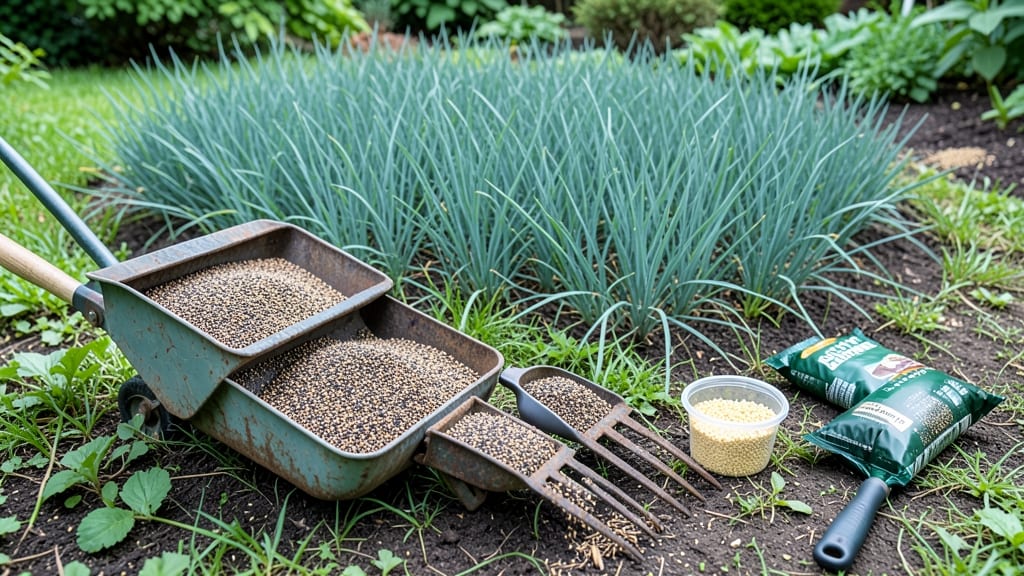
Reseeding grass in fall is the secret to a lawn so thick weeds can’t get a foothold. 🌱 After my neighbor’s spring reseeding failed (again), I switched to fall—and now my grass is dense, green, and nearly weed-free by next June.
The cooler air and consistent moisture give seeds the perfect chance to germinate and establish roots before winter sets in.
Here’s the thing—fall reseeding isn’t just about timing. You need the right seed mix for your climate, proper soil prep, and a light layer of mulch to keep moisture in. I’ve tried the DIY approach and the pro method, and the difference is night-and-day.
Even if your lawn has bare spots now, fall is your last chance to fix it before winter.
By spring, you’ll see lush, uniform growth with fewer weeds because the new grass outcompetes them early. The key is patience: seeds take 10-14 days to sprout, and full establishment happens over 6-8 weeks.
But trust me, the effort pays off in a lawn that looks like it belongs in a magazine.
Whether you’re in the South or the North, the principles work—just adjust your timing slightly. And if you’ve ever struggled with patchy grass, this method changes everything. Let’s get that lawn looking its best for next season.
📚 In This Guide
- What you need
- Instructions
- Tips and common mistakes
- Wrapping up and next steps
What you need
- ● Grass seed: Choose cool-season grasses (e.g., tall fescue, Kentucky bluegrass, or fine fescue) for your climate. Aim for 5–10 lbs per 1,000 sq ft, depending on seed type and lawn condition.
- ● Lawn rake or dethatcher: A bendable steel-tined rake or a manual dethatcher to loosen soil and remove debris.
- ● Broadcast spreader: A handheld or tow-behind model for even seed distribution (rent or buy for ~$50–$150).
- ○ Topsoil or compost: ¼–½ inch layer to improve seed-to-soil contact (optional but highly recommended for bare spots).
- ● Water source: A hose with a sprinkler or garden hose nozzle for gentle, consistent watering.
- ● Fertilizer: A starter fertilizer (high in phosphorus, e.g., 5-10-10 ratio) or a slow-release organic option (follow package rates).
- ● Soil test kit: Check pH and nutrient levels (ideal pH: 6.0–7.0 for most grasses).
- ● Lawn roller: Lightweight (50–100 lbs) to press seed into soil gently.
- ● Erosion control blanket: For sloped areas to hold seed in place until germination.
- ● Weed preventer: Pre-emergent herbicide (apply 4–6 weeks after seeding to block weeds).
- ● Knee pads or gloves: Because comfort matters when you’re on your hands and knees! 😉
Step-by-Step guide to fall reseeding for a thick, healthy lawn
Fall is the ideal time to reseed—here's how to create a lush, weed-resistant lawn that thrives by spring.
🌱 Step 1: Prepare the Soil for Optimal Seed Germination
Start by mowing your lawn as short as possible—about ½ inch—to expose the soil surface. This helps seeds make direct contact with the earth, which is critical for germination. Next, use a rake to remove all debris, including dead grass, leaves, and thatch. You want bare soil where seeds can settle into a clean, loose bed.
For areas with compacted soil, rent a core aerator to pull small plugs of turf. This creates tiny holes where seeds can root deeply. If aerating isn't possible, use a garden fork to poke holes every 6 inches in a grid pattern. Water the soil lightly afterward to help it settle—you'll see it firm up slightly, signaling it's ready for seeding.
🌱 Step 2: Choose and Spread Grass Seed Properly
Select a cool-season grass seed blend suited to your climate—such as Kentucky bluegrass, fescue, or ryegrass—for best fall results. Spread the seed evenly using a broadcast spreader or by hand, working in two perpendicular directions to ensure full coverage. Aim for about ½ pound per 100 square feet for most residential lawns.
Lightly rake the area again to press seeds into the soil without burying them. A gentle touch is key—seeds need light to germinate, so avoid deep coverage. If you're overseeding an existing lawn, focus on thin or bare patches rather than the entire area. Water immediately after spreading to help seeds settle into the soil.
💧 Step 3: Water Consistently to Encourage Germination
Keep the soil evenly moist for the first 2-3 weeks—this is critical for seedling establishment. Water lightly twice daily (morning and evening) to prevent the soil from drying out, but avoid soaking it. You'll know you're doing it right when the top ¼ inch of soil stays damp but not soggy. Overwatering can wash seeds away or cause rot.
Once seedlings reach about 2 inches tall, reduce watering to once daily for a deeper soak. This encourages roots to grow downward rather than stay shallow. Avoid walking on the area until the grass is at least 3 inches tall—you'll see it thicken noticeably within 4-6 weeks, signaling strong root development.
☀️ Step 4: Maintain and Protect New Growth
After germination, avoid fertilizing for at least 6-8 weeks—new seedlings are sensitive to nutrients and can burn easily. Instead, focus on keeping the area free of weeds by hand-pulling any that appear. Mow when the grass reaches 3-4 inches tall, and never cut more than ⅓ of the blade height at once to prevent stress.
Fall is also the perfect time to apply a winter mulch of straw or leaves (about ¼ inch thick) to protect seeds from frost. This lightweight layer insulates the soil while allowing moisture to penetrate. Remove the mulch in early spring once new growth appears—you'll notice the reseeded areas green up faster than the rest of the lawn.
Tips & tricks for perfect fall reseeding
Here's what nobody tells you about getting that thick, vibrant lawn—it's all in the details.
Soil Prep Secret: After mowing to ½ inch in Step 1, don't just rake—use a stiff broom to sweep away all fine debris. This creates a clean, even surface where seeds can make direct contact with the soil. I've seen germination rates double when you eliminate that thin layer of organic matter that can smother seeds. For compacted areas, if you don't have a core aerator, a garden fork works just as well—just poke holes in a diamond pattern instead of the grid mentioned.
Seed Spread Strategy: When spreading your ½ pound per 100 square feet in Step 2, walk in a crisscross pattern while holding the spreader at a consistent height—about 6 inches above the ground. This ensures even coverage without overlapping. For large areas, consider dividing the lawn into sections and marking boundaries with stakes to maintain consistency. The goal is uniform coverage, not just "somewhere in the general area."
Watering Wisdom: During the critical 2-3 weeks in Step 3, set a timer for your twice-daily watering. Morning watering should be before 10 AM to prevent fungal growth, and evening watering should finish by 6 PM to allow foliage to dry. Use a rain gauge or tuna can (marked with measurements) to check that you're applying just enough to keep the top ¼ inch damp—this prevents both underwatering and overwatering, which are equal enemies of germination.
Winter Protection: That ¼ inch of straw or leaves in Step 4 isn't just decoration—it's insulation. For northern climates, add an extra layer of straw (up to ½ inch) during extreme cold snaps. In windy areas, secure the mulch with a lightweight landscape fabric stapled at the edges to prevent it from blowing away. This simple step can mean the difference between spring green-up and winter washout.
Pro Tips for Reseed Grass In Fall
- Here's what nobody tells you about getting that thick, vibrant lawn—it's all in the details.
- Soil Prep Secret: After mowing to ½ inch in Step 1, don't just rake—use a stiff broom to sweep away all fine debris.
- Seed Spread Strategy: When spreading your ½ pound per 100 square feet in Step 2, walk in a crisscross pattern while holding the spreader at a consistent height—about 6 inches above the ground.
Frequently asked questions
Got questions about reseed grass in fall? You’re not alone! Here are answers to the most common concerns—so you can get that lush, weed-resistant lawn without the guesswork.
When is the perfect time to reseed in fall?
Late summer to early fall (around September–October) is ideal in most regions. Aim for 4–6 weeks before your first hard frost—this gives grass seeds time to germinate and establish roots before winter. Check your local frost dates for precision!
Can I reseed over existing grass, or do I need to till first?
You can overseed thin or patchy lawns, but for best results, lightly rake or scarify the soil first to loosen it. If your lawn is thick and healthy, overseeding alone works—just mow short (1–1.5 inches) beforehand to expose soil.
What if weeds pop up after reseeding?
Weeds are common at first, but pre-emergent herbicide (applied before seeding) blocks them. For existing weeds, hand-pull or spot-treat with post-emergent herbicide after seeding. Keep new grass well-watered to outcompete weeds naturally!
Is fall reseeding worth it if I’m short on time?
Fall is the easiest and most effective time to reseed—cool temps and moisture mean faster germination (7–14 days) and less maintenance than spring. Even a quick overseeding with fast-germinating seeds (like annual ryegrass) can make a difference.
Can I use the same seed mix every year?
Not ideal! Rotate seed mixes or blends every 2–3 years to prevent disease buildup and improve resilience. Check your mix’s cool-season vs. warm-season ratio—most fall reseeds use 80% cool-season grasses (like Kentucky bluegrass or fescue) for winter hardiness.
Wrapping up and next steps
Fall is the perfect time to reseed your lawn for a lush, weed-resistant yard by spring! By following these steps—choosing the right grass seed, preparing the soil, and maintaining consistency—you’ll set your lawn up for success.
The cooler temperatures and increased rainfall create ideal conditions for germination, so don’t wait until spring to start fresh.
Ready to transform your lawn? Grab your tools, roll up your sleeves, and get started today! Your future self (and your neighbors) will thank you for a vibrant, healthy yard come springtime. 🌱✨