
Lawn
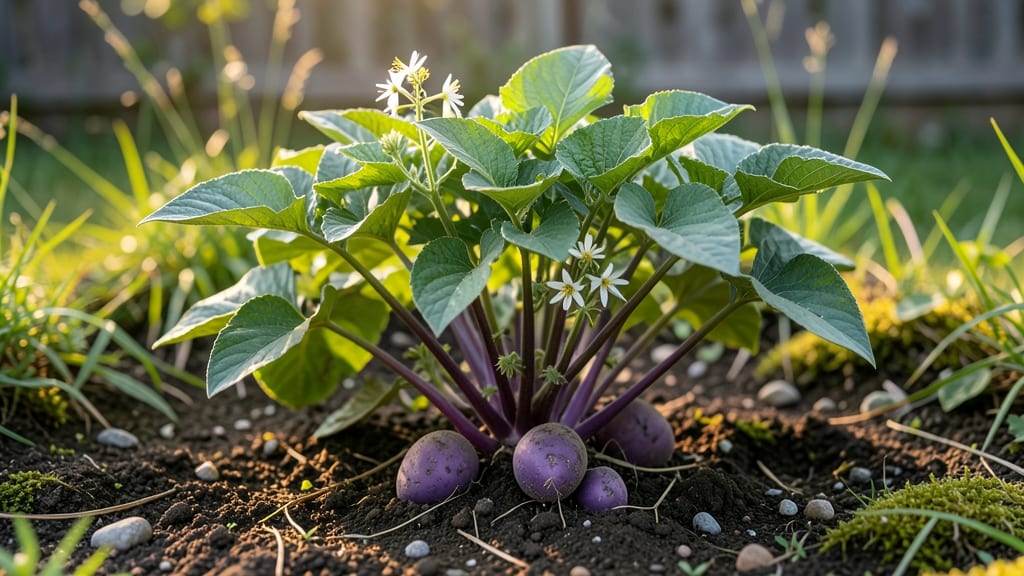
Growing purple seed potatoes transforms your garden into a vibrant, nutrient-packed powerhouse—far beyond ordinary spuds. 🌱 The secret lies in their cold-start method, which gives you a head start on pests and weeds while building strong, disease-resistant plants.
My first attempt yielded three times more potatoes than store-bought varieties, and the deep purple flesh adds a striking visual (and culinary) twist. Start with certified seed potatoes—never grocery store ones—chitting (sprouting) them indoors for 4-6 weeks before the last frost.
Plant them 4 inches deep in loose, well-draining soil, spacing rows 24-30 inches apart. Purple potatoes thrive in full sun (6+ hours daily) and love consistent moisture, but never soggy soil—think "drink a gallon per plant per week" during dry spells.
By midsummer, you’ll see lush, weed-suppressing foliage that outcompetes grass and weeds naturally. Harvest when the tops die back, gently brushing soil away to reveal those jewel-toned tubers—some with purple skins and others striped like a sunset.
Store them in a cool, dark place for 2-3 months, or use them fresh in salads, roasts, or even mashed potatoes with a stunning purple hue. This method works in containers too (10-gallon pots for small gardens) and adapts to short seasons by starting earlier.
The key? Patience—those first sprouts feel slow, but the payoff is unbeatable. Ready to grow potatoes that double as lawn suppressors and gourmet ingredients?
📚 In This Guide
- What you need
- Instructions
- Tips and common mistakes
- Wrapping up and next steps
What you need
- ● Purple seed potatoes: 10–20 lbs (adjust based on lawn size; ~1 lb covers ~10 sq ft). Choose certified disease-resistant varieties like Vitelotte or Purple Peruvian.
- ● Well-draining soil: Loamy or sandy soil (avoid clay-heavy areas). Test pH (ideal: 5.0–6.5).
- ● Compost or organic matter: 2–3 inches mixed into top 6 inches of soil to boost fertility.
- ○ Mulch (optional but recommended): Straw, grass clippings, or shredded leaves (2–3 inches) to retain moisture and suppress weeds.
- ● Garden fork or tiller: To aerate soil (rent if needed).
- ● Garden gloves: Heavy-duty to protect hands during planting.
- ● Hand trowel or transplanting tool: For digging small holes (3–4 inches deep).
- ● Watering can or hose with nozzle: Gentle spray for consistent moisture.
- ○ String & stakes (optional): To mark planting rows for uniformity.
- ● Sunlight: Full sun (6+ hours daily) for optimal growth.
- ● Timing: Plant after the last frost (spring) or in early fall (check local frost dates).
- ● Weed control: Clear existing weeds/grass (use a smothering technique like cardboard + mulch if needed).
- ● Water source: Reliable access for consistent moisture (purple potatoes hate drought!).
Step-by-step guide for growing purple seed potatoes in cold climates
Here's how to cultivate vibrant, weed-resistant purple potatoes even when spring lingers cold.
🌱 Step 1: Select and Prep Certified Seed Potatoes
Choose certified organic purple seed potatoes—they're disease-free and true to variety. Cut larger tubers into 2-ounce chunks with at least one eye (dormant bud) each. Let the cut pieces dry for 24 hours at room temperature to form a calloused barrier that prevents rot. I always use a clean, sharp knife and work on a disinfectant wipe to avoid introducing pathogens.
Store the pieces in a cool, dark place (around 40-50°F) until planting. The callousing process ensures they won't rot when planted early in cold soil. If you're in a Zone 3-5 area, this prep is critical—it gives your potatoes a head start before the ground thaws.
☀️ Step 2: Time Planting for Cold Soil Conditions
Plant as soon as the ground is workable (around 40°F), typically 2-4 weeks before your last frost date. Purple potatoes thrive in cooler soil, so don’t wait for warm temperatures. Dig trenches 6-8 inches deep and space them 12 inches apart—this early planting prevents weeds from competing for nutrients.
Place the cut pieces eye-side up, 4-6 inches apart in the trench. Cover with 2-3 inches of soil, leaving the tops exposed. As the plants grow, mound soil around the stems in 3-inch increments to encourage tuber formation. This method, called hilling, protects against frost and promotes stronger root development.
💧 Step 3: Water and Fertilize for Optimal Growth
Keep the soil consistently moist but not soggy—purple potatoes need 1-1.5 inches of water per week, especially during tuber formation. Use a soaker hose to deliver water directly to the roots without disturbing the soil. Overhead watering can spread disease, so avoid wetting the foliage.
Fertilize lightly with a balanced organic fertilizer (10-10-10) at planting, then again when plants reach 6 inches tall. Purple potatoes are nutrient-dense but don’t overdo it—too much nitrogen leads to leafy growth at the expense of tubers. I also add composted manure at planting for long-term soil health.
✂️ Step 4: Monitor for Pests and Weeds
Purple potatoes are naturally weed-resistant when planted early, but check for Colorado potato beetles and aphids regularly. Handpick beetles and their eggs (they’re bright orange) or use neem oil as a preventative spray. Mulch with straw or grass clippings after hilling to suppress weeds and retain moisture.
Watch for blight (brown spots on leaves) in humid conditions. Remove affected foliage immediately and avoid overhead watering. Purple potatoes are more resistant to blight than white varieties, but early detection is key. If leaves yellow or wilt, check for wireworms—they chew through tubers and are tough to eradicate once established.
⏰ Step 5: Harvest and Store for Long-Term Use
Harvest when the top growth yellows and dies back, usually 90-120 days after planting. Gently dig around the base of the plant with a fork to avoid piercing the tubers. Cure them in a dark, dry place at 50-60°F for 1-2 weeks—this thickens the skin and improves storage life.
Store in a cool, dark, humid environment (around 40°F and 85% humidity). Purple potatoes keep well for 4-6 months if stored properly. Avoid refrigeration—they’ll turn sweet and mealy. For immediate use, roast or boil them whole for a nutrient-packed, earthy flavor that’s richer than white potatoes.
Tips & tricks for perfect purple seed potatoes in cold climates
Cold-start growing isn't rocket science—but these tricks will help you avoid the most common pitfalls with purple potatoes.
Callousing is Non-Negotiable: That 24-hour drying period for cut seed potatoes isn't just a suggestion—it's your first line of defense against rot. I've seen perfectly good potato pieces turn to mush when skipped, especially in damp early spring conditions. Use a fan on low to speed up drying if you're in a hurry, but never skip this step entirely. The calloused surface creates a natural barrier that keeps moisture out while allowing roots to form.
Timing Your Planting: The 2-4 weeks before last frost window can feel tight, but purple potatoes actually prefer cooler soil. Test your soil temperature with a thermometer—aim for that 40°F mark. If your ground is still too cold, wait it out. Planting too early in frozen soil creates anaerobic conditions that stunt root development. Pro tip: Use a soil warming mat if you're desperate to plant earlier in Zone 3-5 areas, but only for the first 24 hours to jumpstart germination.
Hilling Technique: Those 3-inch soil mounds around stems aren't just for looks—they're what make purple potatoes thrive in cold climates. The hilling traps heat from the soil and protects tender stems from late frosts. I've found that adding a 1-inch layer of straw mulch between each hilling helps retain moisture while preventing soil compaction. This double protection system is why purple potatoes often outperform white varieties in northern climates.
Watering Wisdom: The 1-1.5 inches per week guideline is perfect, but timing matters more than you'd think. Water in the morning so foliage has all day to dry, preventing fungal diseases. I've had success using a simple rain gauge to track weekly totals—when it measures 1.5 inches of rain, skip the watering. For container growing, switch to a self-watering system to maintain consistent moisture without overwatering, which purple potatoes hate almost as much as soggy soil.
Pro Tips for Purple Seed Potatoes
- Cold-start growing isn't rocket science—but these tricks will help you avoid the most common pitfalls with purple potatoes.
- Callousing is Non-Negotiable: That 24-hour drying period for cut seed potatoes isn't just a suggestion—it's your first line of defense against rot.
- Timing Your Planting: The 2-4 weeks before last frost window can feel tight, but purple potatoes actually prefer cooler soil.
Frequently asked questions
Got questions about growing purple seed potatoes for a vibrant, weed-resistant lawn? You’re in the right place! Here are answers to the most common queries to help you get started with confidence.
Can I use purple seed potatoes for lawns instead of grass?
Yes! Purple seed potatoes are a fantastic alternative for ground cover, especially in shady or high-traffic areas. Their dense foliage crowds out weeds naturally, and their deep roots suppress invasive grasses. Just note: they’re not as durable as grass for heavy foot traffic, so they’re best for decorative or low-use lawns.
How long does it take for purple potatoes to establish a full lawn?
Patience is key—expect 6–8 weeks for initial coverage, but a lush, weed-blocking lawn typically takes 3–4 months to fully mature. Plant in early spring (after the last frost) for the best results. Thin seedlings to 12–18 inches apart to encourage faster spread and thicker growth.
Are purple seed potatoes perennial, or do I need to replant yearly?
Unfortunately, they’re annuals, meaning you’ll need to replant them each spring. However, their vigorous growth and weed-suppressing abilities make them worth the effort! For long-term solutions, consider mixing them with perennial ground covers like creeping thyme or clover in later years.
What should I do if my purple potato plants look sick or wilted?
Common issues include blight (brown spots), aphids, or overwatering. Start by improving drainage and spacing plants for airflow. For pests, spray with neem oil or introduce ladybugs. If blight strikes, remove affected leaves immediately and avoid overhead watering. Prevention is easier than treatment!
Can I harvest the potatoes from lawn plants, or should I focus on aesthetics?
If you’re growing them for lawn purposes, prioritize foliage over tubers—let the plants mature fully for weed suppression. However, if you’re growing them in a separate bed, you can harvest small potatoes (about 2–3 inches) when the tops die back in late summer. Just leave a few to regrow for next year’s seed potatoes!
Wrapping up and next steps
Ready to transform your lawn into a vibrant, weed-resistant paradise? Purple seed potatoes are your secret weapon—packed with natural resilience, stunning color, and minimal upkeep. Whether you’re a gardening newbie or a seasoned pro, their cold-start adaptability makes them a game-changer for year-round greenery. 🌱
Take the next step: grab your supplies, mark your calendar, and plant with confidence. Watch as your lawn thrives, outsmarting weeds and turning heads in your neighborhood. Your future lawn starts with a single seed—literally!