
Plants
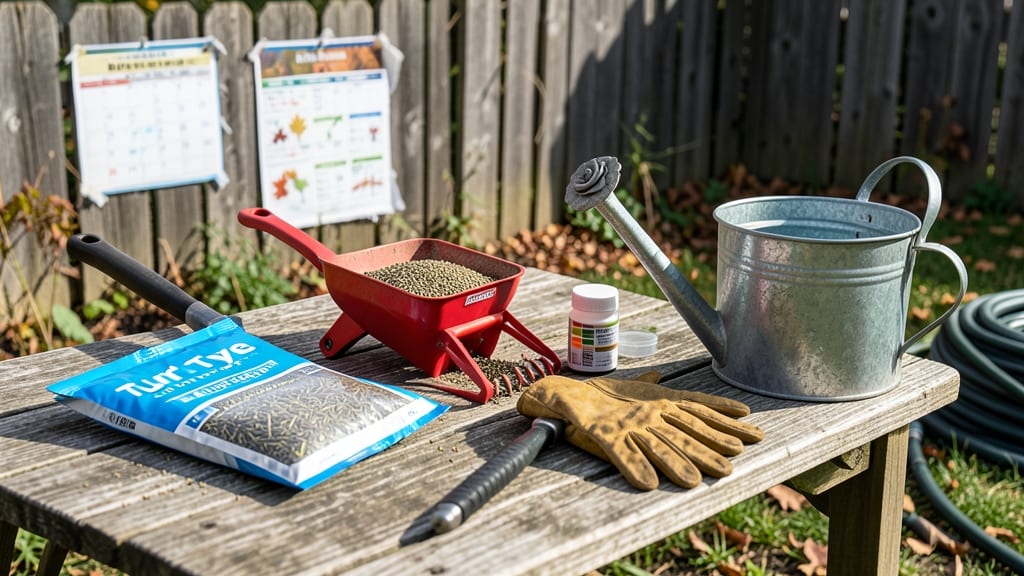
Planting grass seed in the Northeast at the right time means the difference between a thick, weed-resistant lawn and years of patchy frustration. The key? Cool-season timing—either early fall or spring—when temperatures and moisture work in your favor.
Struggling to get a lush, weed-resistant lawn in the Northeast? Timing is everything—plant grass seed at the wrong time, and you’ll battle thin patches and invasive weeds for years. But get it right, and you’ll enjoy a thick, green carpet that outcompetes weeds naturally.
In USDA zones 4a-7b, the best windows are early fall (September-October) or early spring (March-April). Fall planting lets seeds establish roots before winter, while spring gives them a head start as temperatures rise. Both avoid the stress of summer heat or early frost.
Below, I’ll break down the exact timing for your region, soil prep tips to lock in success, and how to choose the right grass type for your climate—so you can finally stop fighting for a lawn that looks like it belongs there.
Best planting windows for Northeast grass seed success
If you’ve ever struggled to grow a thick, green lawn in the Northeast, timing is your secret weapon. Cool-season grasses like Kentucky bluegrass and tall fescue thrive when planted during specific windows—early fall or early spring—when soil temperatures and moisture align perfectly.
Miss these windows, and you’ll face thin patches, weed invasions, or seedling stress. Let’s break down the optimal planting periods for USDA zones 3-7, including micro-climate tweaks for regions like Maine, New York, and Pennsylvania.
For most of the Northeast, early fall (September-October) is the gold standard. Why?
Soil stays warm enough for germination while cooler air reduces stress on young seedlings. Spring planting (March-April) is your backup, but it requires careful frost timing—plant too early, and seedlings will fry; too late, and weeds steal the show. Late summer (August) can also work in humid climates, but it’s riskier due to fungal threats.
Let’s compare these windows side by side to help you pick the best strategy for your yard.
In USDA zone 3 (think Maine or Vermont), aim for late August to early September—soil stays warm long enough for seeds to sprout before winter sets in.
By contrast, zone 7 (Maryland, Delaware) can push planting into early October, thanks to milder winters. Zone 5 and 6 (Pennsylvania, New York, New Jersey) straddle both worlds: September is ideal, but late August works if you’re in a humid micro-climate like Pittsburgh or Philadelphia.
Regional micro-climates matter too. Coastal areas (like Connecticut or Massachusetts) often have warmer falls and can plant 1-2 weeks later than inland spots. Use your local cooperative extension office for frost dates—my go-to is the Cornell Garden Guide for upstate New York.
Pro tip: Plant when daytime temps are 70-75°F but nights dip below 60°F—this signals cool-season grasses to focus on root growth over top growth.
Spring planting demands precision. Wait until 2-3 weeks after your last frost date—planting too early risks frost damage, while waiting too long lets crabgrass and clover take over.
In zone 4, that’s typically mid-April; in zone 6, it stretches to early May. Tall fescue handles spring planting better than Kentucky bluegrass, which bolts in heat. For spring success, overseed in early fall first—this builds a stronger lawn foundation for next year.
Don’t overlook late summer planting (August) in humid climates. Pennsylvania and New Jersey often see reduced fungal pressure in August because soil moisture stays high from summer rains. Seeds germinate quickly, and roots establish before fall diseases peak.
However, avoid planting in drought conditions—your seedbed must stay moist for 2-3 weeks post-planting. Pre-water the area 24 hours before seeding to create the perfect environment.
One common mistake? Planting in late summer (July-August) in dry zones. If your area gets hot, dry winds (like parts of Upstate New York), seeds will bake in the soil.
Stick to early fall or spring in these cases. Test your soil’s moisture by squeezing a handful—if it crumbles, it’s too dry. If it sticks together, it’s perfect. Adjust your watering schedule to maintain this consistency until germination.
For weed resistance, time matters just as much as seed choice. Plant in early fall to outcompete annual weeds
How to prepare your Northeast lawn for fall planting
Fall is the perfect time to plant grass seed in the Northeast because cooler temperatures and consistent moisture create ideal conditions for seed germination. Unlike spring planting, fall avoids summer heat stress and gives seeds 6-8 weeks of growing before winter dormancy.
To set yourself up for success, start with a soil test—aim for a pH between 6.0 and 7.0, which is ideal for cool-season grasses like tall fescue and Kentucky bluegrass.
Weeds are the biggest enemy of new grass seed, so timing is critical. Apply a pre-emergent herbicide 2-3 weeks before planting to prevent weed seeds from sprouting.
For existing weeds, use a non-selective herbicide like glyphosate 2 weeks before planting—just be sure to follow the wait time on the label before seeding. This ensures your grass seed isn’t contaminated with herbicide residue.
Step-by-Step Fall Lawn Prep Checklist
- 📝 Test Soil pH: Use a kit to check your soil’s pH. If it’s below 6.0, add lime 4-6 weeks before planting. If above 7.0, amend with sulfur.
- ✂️ Mow Low: Cut existing grass to 1.5 inches to encourage new growth and improve seed-to-soil contact.
- 🌱 Aerate Soil: Rent a core aerator to remove 2-inch plugs of soil, loosening compaction and improving seed contact with soil.
- 🌿 Remove Debris: Rake up rocks, sticks, and thatch to create a clean, level surface for seeding.
- 🌾 Choose the Right Seed: Opt for tall fescue (drought-resistant) or Kentucky bluegrass (shade-tolerant) based on your lawn’s needs.
- 💧 Water Lightly: Moisten soil before seeding to help seeds settle into the ground.
Once your soil is prepped, aeration is the next critical step. Compacted soil prevents seeds from making proper contact, leading to poor germination. Use a core aerator to pull out small plugs of soil, creating channels for seeds, water, and nutrients.
For best results, aerate when the soil is slightly moist—not soggy or dry. This typically means aerating in the early fall, just before seeding.
Selecting the right grass seed is just as important as timing. In the Northeast, tall fescue is a top choice for its drought tolerance and weed resistance, while Kentucky bluegrass thrives in shadier areas but requires more maintenance.
For a weed-resistant lawn, consider blends that include fine fescue or perennial ryegrass. These varieties establish quickly and crowd out weeds before they take hold.
After seeding, keep the soil consistently moist for the first 3-4 weeks. Water lightly every day to prevent seeds from drying out, but avoid overwatering, which can wash seeds away.
Once seedlings reach 2-3 inches tall, gradually reduce watering to 1 inch per week. This encourages deep root growth and prepares your lawn for winter dormancy.
Fall planting isn’t just about timing—it’s about setting your lawn up for long-term success. By testing your soil, controlling weeds early, aerating properly, and choosing the right seed, you’ll create a thick, green lawn that outcompetes weeds naturally.
With these steps, your Northeast lawn will be the envy of the neighborhood by next spring! 🌱