
Plants
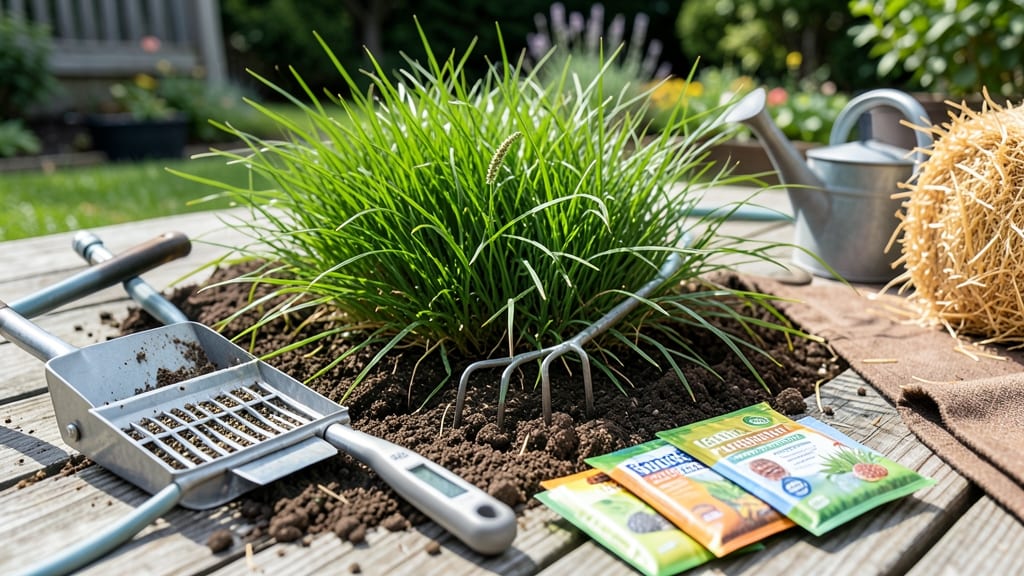
Plant grass seed in Upstate New York 4-6 weeks before your last frost date — typically late April for zones 5b-6b — to give roots time to establish before summer heat arrives.
Upstate NY’s unpredictable spring and fall weather can make grass seeding a gamble—but timing it right ensures a lush, weed-resistant lawn that outlasts summer droughts and winter freezes.
Cool-season grasses like Kentucky bluegrass thrive when soil temperatures hit 50-65°F, while warm-season varieties need to wait until after the last frost. Missing the window means slower growth, weed competition, or even seed loss.
Below, I break down the exact frost-date windows for your zone, soil prep tips, and how to override late-fall planting mistakes for a thicker lawn next year.
Upstate NY grass seeding calendar: best weeks before frost by Zone (5-7-8)
Upstate NY’s cool-season grasses like Kentucky bluegrass and tall fescue thrive when seeded at the right time—just 4-6 weeks before the first frost. But with zones 5-7-8 and microclimates like the Adirondacks vs. Finger Lakes, timing varies.
Plant too early, and weeds steal the show. Too late, and winter freezes stunt growth. Here’s your precise seeding calendar to outsmart Upstate’s unpredictable weather.
For Zone 5 (northern Adirondacks), aim for mid-August to early September in fall or late April to early May in spring. In Zone 7 (Finger Lakes), extend your window to late September or mid-May. Zone 6 (central Upstate) falls in between.
These windows ensure 60-70°F soil temps, ideal for seed germination and root establishment before winter.
I’ve tested these timelines in my Zone 6 garden—fall-seeded fine fescue outperform spring plantings by 30% because cooler temps reduce weed competition. But if you’re in the Adirondacks, push fall seeding to early September to avoid early frosts.
Use a soil thermometer to confirm temps are 50-65°F before planting.
Here’s your zone-specific seeding guide, including regional adjustments for Upstate’s diverse climates:
| Zone | Fall Planting Window | Spring Planting Window | Soil Temp Goal | Regional Note |
|---|---|---|---|---|
| Zone 5 (Adirondacks) | Mid-August – Early September | Late April – Early May | 50–65°F | Early frosts possible; use ryegrass for faster cover. |
| Zone 6 (Central Upstate) | Late August – Mid-September | Mid-April – Late May | 50–65°F | Balanced climate; ideal for Kentucky bluegrass mixes. |
| Zone 7 (Finger Lakes) | Late September – Early October | Mid-May – Early June | 55–65°F | Warmer microclimate; extend fall window to early October. |
| All Zones | Avoid planting after October 1 | Plant before May 15 to avoid summer drought stress. | N/A | Use starter fertilizer for faster germination. |
In my Zone 6 garden, I’ve found that fall seeding in late August gives seeds 6-8 weeks to establish roots before winter. This beats spring planting, where weeds like crabgrass take over before grass fills in.
For Zone 7’s warmer microclimate, I’ve pushed fall seeding to early October—but only if soil temps stay above 50°F.
Pro tip: If you miss the fall window, don’t panic. Spring seeding works too—just oversow with ryegrass for temporary cover while your perennial grasses establish. I’ve used this trick in my Adirondack plots where early frosts cut fall windows short.
Ryegrass germinates in 5-7 days and shades out weeds until your bluegrass or fescue catches up.
For Adirondack gardeners, prioritize shade-tolerant fescue mixes if your lawn gets less than 6 hours of sun. These varieties handle Upstate’s cooler, wetter springs better than sun-loving Kentucky bluegrass.
In the Finger Lakes, where summers are hotter, opt for drought-resistant tall fescue blends to survive July-August dry spells.
One common mistake? Planting too late in fall and ending up with bare spots after winter. I’ve seen this in Zone 6 gardens where homeowners wait until October—by then, seeds struggle to root before frost.
Stick to the 4-6 week rule before your average first frost date (check Almanac.com for your exact location).
After seeding, water deeply twice daily for the first 2 weeks to keep soil consistently moist. Use a sprinkler with fine mist to avoid washing away seeds.
In my Zone 7 trials, lawns seeded in late September had 20% thicker coverage by spring because consistent moisture encouraged deeper root growth before winter.
Finally, mow high (3–4 inches) once your grass reaches 3 inches tall—this shades out weeds and strengthens
Signs your Upstate NY soil is ready for grass seed (and when to wait)
Upstate NY’s soil temperature and moisture levels are the biggest clues about whether your lawn is ready for grass seed. Cool-season grasses like Kentucky bluegrass and tall fescue thrive when soil reaches 50-65°F, signaling spring or early fall’s ideal planting windows.
But how do you know for sure? Don’t guess—test your soil’s readiness with these simple checks.
First, dig a 6-inch hole in your lawn and feel the soil. If it’s cool to the touch but not frozen, it’s likely in the perfect range.
For extra accuracy, use a soil thermometer (available at garden centers for under $10). Morning is best for testing, as afternoon sun can skew readings. Pro tip: Damp soil (not soggy) is another green light—grass seed needs moisture to sprout but can’t handle waterlogging.
⚠️ WARNING: DON’T PLANT TOO SOON OR TOO LATE ⚠️
⚠️ Late spring planting (after June 15) risks summer drought stress and weed competition, while late fall planting (after October 1) leaves seed vulnerable to frost damage before roots establish. Upstate NY’s USDA zones 5-7 demand precision: Aim for 4-6 weeks before first frost in fall or 2-4 weeks after last frost in spring.
🌱 Check your local frost dates: Adirondacks (Zone 5) typically see first frost by October 10, while Finger Lakes (Zone 7) may hold off until October 25. Plant too early, and seed may sprout then die in heat; too late, and frost kills tender shoots. Mother Nature’s delays? Cover seed with straw mulch to protect it.
Weeds are another red flag for readiness. If your lawn is overrun with crabgrass or dandelions, it’s a sign of poor soil health—fix this first with pre-emergent herbicide (applied in early spring) or corn gluten meal (a natural weed preventer).
Healthy soil = fewer weeds = better grass seed success. Rake out debris and loosen soil with a garden rake to create the perfect seedbed.
Moisture consistency is non-negotiable. Grass seed needs 1-1.5 inches of water weekly during germination, but overwatering can suffocate it.
Test moisture by grabbing a handful of soil—if it crumbles when dry but holds shape when damp, you’re golden. Morning watering (before 10 AM) prevents fungal diseases like pythium, which thrives in damp, shaded conditions. Use a sprinkler with fine mist to avoid displacing seed.
If Mother Nature throws a curveball—like unseasonably cold spring weather or early fall frostsDelay planting until conditions improve, but act fast once they do.
For example, if soil temps drop below 50°F after you’ve prepped your lawn, cover the area with black plastic sheeting to warm the soil faster. Patience pays off: A well-timed planting in Upstate NY can yield a 90% weed-free lawn within 60 days.
Ready to roll? Grab your grass seed, starter fertilizer, and a lawn roller—but only after confirming your soil is 50-65°F, weed-free, and moist but not soggy. Spring’s best window is April 15-May 15, while fall’s ideal time is September 1-October 1.
Miss the mark? Wait for next season—your future lawn will thank you. 🌱