
Plants
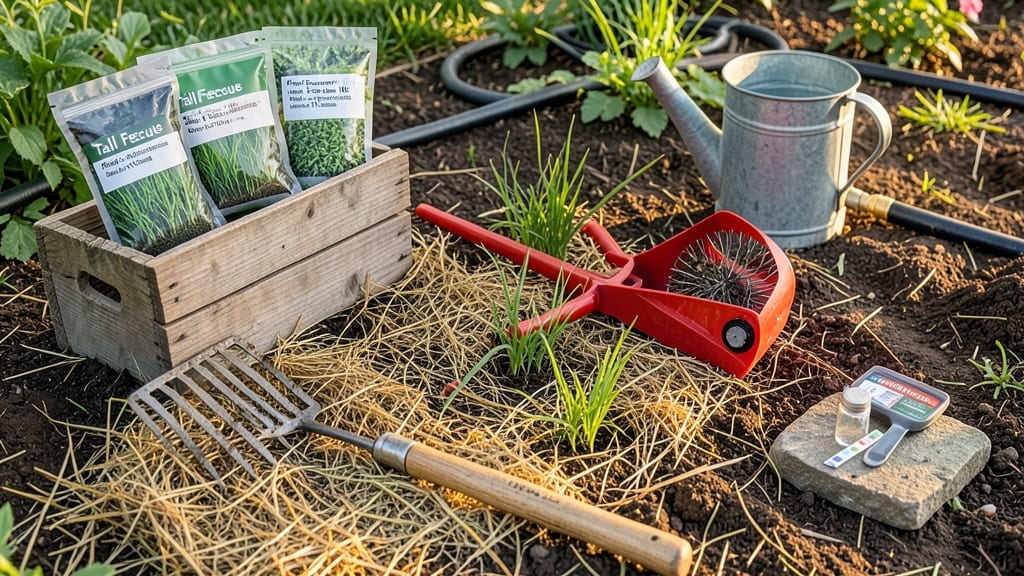
Planting grass seed in Tennessee at the right time means the difference between a thick, vibrant lawn and one that fights to survive 🌱—and the clock starts ticking in early spring or late summer.
Tennessee’s diverse climate—from humid Appalachian valleys to hotter Nashville plains—means planting grass seed at the wrong time can leave your lawn thin, patchy, or struggling to take root.
Get the timing right, and you’ll unlock deep roots, faster germination, and a lush lawn that outlasts summer heat and winter freezes.
Here’s how to pinpoint the best window for your zone, prep your soil like a pro, and avoid the mistakes that derail even the most eager lawn projects.
Best planting windows for Tennessee grass seed by region (Zones 6-8)
Tennessee’s three distinct climate regions—East (Zone 6), Middle (Zone 7), and West (Zone 8)—each demand different grass seed planting windows to ensure success. The primary window is always early fall, but timing shifts by 2-4 weeks depending on your location.
Planting outside these windows risks poor germination from extreme heat, drought, or frost.
In Zone 6 (East TN), where cooler temperatures linger, the ideal window stretches from mid-August to early October. This gives seeds time to establish before first frost, typically around October 15.
Meanwhile, Zone 8 (West TN) can extend planting until mid-November due to milder winters, but avoid planting after December 1 when frost becomes likely.
Here’s how each region’s climate affects your grass seed planting timeline, including why spring planting is a secondary option but comes with risks like summer drought stress or weed competition:
| Region (Zone) | Primary Window | Secondary Window | Why Winter/Spring Fails | Key Consideration |
|---|---|---|---|---|
| East TN (Zone 6a) | Mid-August–Early October | Late April–Early May | Frost risk in winter; summer drought stress | Humidity promotes fungal growth |
| Middle TN (Zone 7a) | Late August–Mid-October | Early April–Mid-May | Heat spikes in May; weeds outcompete seedlings | Drought-prone summers |
| West TN (Zone 8a) | Late August–Mid-November | Early April–Late May | Late frosts in March; extreme summer heat | Soil stays warm longer |
For East Tennessee’s cooler microclimates, like the Appalachian foothills, late August planting is critical to avoid fall frosts. In contrast, Middle Tennessee’s Nashville Basin experiences hotter, drier summers, making September the sweet spot for fall planting.
Skip planting in June or July—the heat will bake seeds before they sprout, and drought stress will stunt root growth.
If you must plant in spring, aim for late April to early May in Zone 7 and early April in Zone 8. However, spring planting requires daily watering to combat weed competition and summer heat.
I’ve seen lawns planted in March struggle when late frosts hit, leaving seedlings weak and patchy.
Another common mistake? Planting warm-season grasses (like Bermuda or Zoysia) in fall or cool-season grasses (like Tall Fescue) in summer. Always match your grass type to the planting season.
For example, Tall Fescue thrives when planted in fall, while Bermuda needs spring planting to establish before summer’s intensity.
Pro tip: Use a soil thermometer to check if soil temps are 60–75°F before planting. In Zone 6, wait until soil warms to 65°F in spring; in Zone 8, avoid planting when soil exceeds 85°F in summer. This small step can double your germination rates.
Finally, irrigate properly during planting. Tennessee’s humid summers can lead to fungal diseases if water pools on seeds, while droughty spells in fall can dry out seedlings. Use a light sprinkler or drip irrigation to keep soil consistently moist but not soggy for the first 3–4 weeks.
Timing your grass seed planting correctly in Tennessee isn’t just about avoiding frost—it’s about harnessing the region’s unique climate.
Whether you’re in the cool Appalachians or the hotter Nashville plains, following these zone-specific windows will give your lawn the best shot at deep roots and year-round resilience. 🌱
How to choose grass seed varieties for Tennessee’s climate and soil
Tennessee’s humid subtropical climate and acidic soils demand grass seed varieties that thrive in heat, drought, and partial shade. Picking the wrong type can mean patchy growth or a lawn that browns by summer.
The key is matching your yard’s sunlight exposure and soil type to the right grass type—whether it’s tall fescue for cool seasons or Bermuda for scorching Middle TN summers.
With USDA Zones 6a-8a across the state, your best bet is a mix of cool-season and warm-season grasses. Cool-season varieties like tall fescue and ryegrass dominate fall and spring, while warm-season grasses like Bermuda and zoysia take over summer.
Centipede grass, though less common, thrives in southern TN’s warmer microclimates. Let’s break down the top 5 options and their drought tolerance and shade performance.
Grass Seed Varieties for Tennessee: Pros & Cons
Best for: Cool seasons, shade tolerance
- ✅ Deep roots (drought-resistant)
- ✅ Handles partial shade
- ✅ Stays green in fall
Best for: Full sun, heat tolerance
- ✅ Thrives in 90°F+ heat
- ✅ Fast recovery from wear
- ❌ Goes dormant in winter
Best for: Low maintenance, drought
- ✅ 80% drought tolerance
- ✅ Soft texture
- ❌ Slow germination
Best for: Southern TN, low fertility
- ✅ Low nutrient needs
- ✅ Spreads easily
- ❌ Weak in cold
⚠️ Avoid planting cool-season grasses in summer—they’ll brown out in TN’s heat!
For East Tennessee’s cooler, wetter climate (Zones 6a-7a), tall fescue is the gold standard—it handles partial shade and stays lush through fall and spring. My yard in Knoxville thrives with a tall fescue blend mixed with fine fescue for extra shade tolerance.
The deep root system (up to 6 inches) means it survives summer droughts better than most cool-season grasses.
Meanwhile, Middle and West Tennessee’s hotter summers (Zones 7b-8a) favor warm-season grasses like Bermuda or zoysia. Bermuda grass is the top performer in Nashville and Memphis, turning green again by late spring and staying vibrant until frost.
It’s also foot-traffic resistant, making it ideal for families with kids or pets. However, it goes dormant in winter, so pair it with ryegrass for year-round coverage.
If your lawn gets less than 4 hours of sun, shade-tolerant tall fescue or fine fescue are your best bets. For full sun areas, Bermuda or zoysia outperform others.
Always test your soil first—TN’s acidic soils (pH 4.8-6.0) may need lime for cool-season grasses or iron for warm-season types to prevent yellowing.
Before buying seed, grab a soil test kit from your local Tennessee Extension office or use a home test. Adjust the pH (aim for 6.0-7.0) and add compost to improve drainage.
Skipping this step is the #1 reason new lawns fail in TN—poor soil = poor roots. Once planted, water deeply twice daily for the first 2 weeks to encourage germination.