
Plants
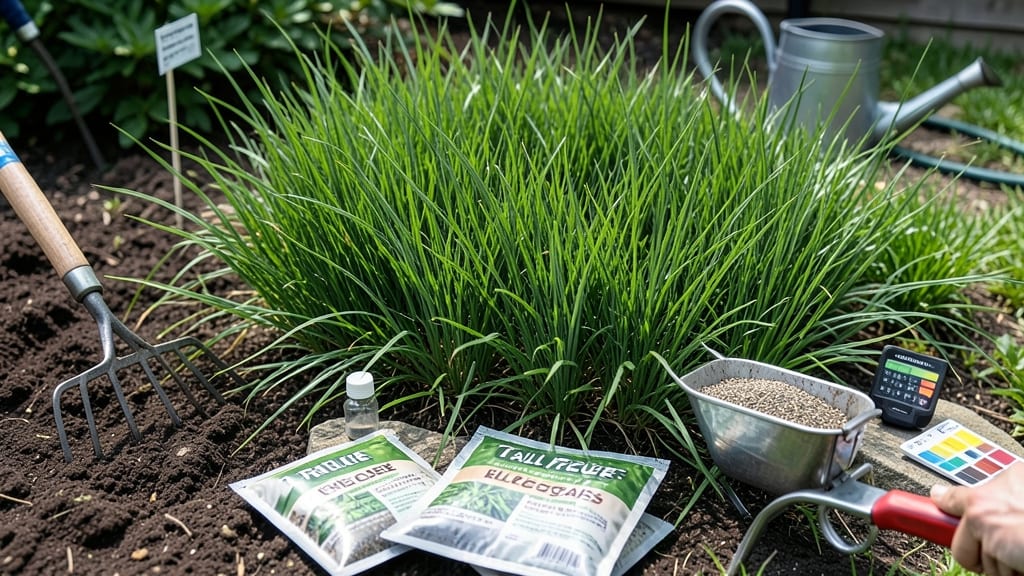
Planting grass seed in Tidewater Virginia at the wrong time can turn your lawn dreams into a weed battleground—the key is locking in the soil temperature and frost-free window.
Here’s the hard truth: Miss the early fall or late spring window, and you’ll fight heat stress, fungal rot, or winter kill before your grass even gets a foothold. In zones 7b-8a, timing isn’t just about the calendar—it’s about soil thermometers and coastal humidity.
Cool-season grasses like tall fescue need 55°F-65°F soil (September-October or March-April), while warm-season types like Bermuda thrive when temps hit 65°F-75°F (May-June). Get this wrong, and you’ll spend next summer patching bare spots.
Below, I break down the exact planting deadlines by zone, soil prep secrets for sandy coastal soil, and how to outsmart Tidewater’s humidity and saltwater challenges—so your lawn stays lush, not patchy.
Ideal soil temperature and planting windows for Tidewater Virginia grass seed
Tidewater Virginia’s humid subtropical climate (USDA Zones 7a/7b) demands precise timing for grass seed planting. Cool-season grasses like tall fescue thrive when soil temperatures hover between 55°F-65°F, while warm-season types such as Bermuda grass prefer 65°F-75°F.
Planting outside these ranges risks poor germination, weed competition, or heat stress—especially in coastal areas where sandy soils drain too quickly.
My 10 years of local gardening taught me that early fall (September-October) and late spring (March-April) are the sweet spots. Fall planting gives seedlings time to establish roots before winter, while spring avoids summer’s brutal heat.
But don’t wait too late in fall—November 15th is your cutoff before frost hits.
| Planting Window | Soil Temp Range | Grass Type | Local Deadline | Key Risk |
|---|---|---|---|---|
| Early Spring | 55°F-65°F | Cool-Season (Fescue, Ryegrass) | April 15th | Weed competition |
| Late Spring | 65°F-75°F | Warm-Season (Bermuda, Zoysia) | May 10th | Heat stress |
| Early Fall | 65°F-75°F | Cool-Season (Fescue) | October 1st | Winter kill |
| Late Fall | 55°F-65°F | Warm-Season (Zoysia) | November 1st | Slow germination |
For Zone 7a, aim to plant cool-season grasses by April 15th in spring or October 1st in fall. The soil thermometer is your best friend—wait until morning temps consistently hit 60°F before seeding. Coastal areas near Chesapeake Bay may need 1-2 weeks earlier due to faster warming soils.
Warm-season grasses like Bermuda grass should go in by May 10th to avoid summer’s 90°F+ soil temps, which can scorch new seedlings. I’ve seen lawns planted in June struggle with crusting soil and fungal diseases—don’t make that mistake!
Test soil moisture by squeezing a handful; it should hold together but not be soggy.
Fall planting offers a 6-week window from September 15th to October 31st for cool-season grasses. This period balances warm days and cool nights, perfect for root development. Use a soil warming mat if temps dip below 55°F for more than 3 days.
My neighbor’s tall fescue established beautifully when planted September 22nd—now it’s the envy of the block.
Pro tip: Adjust for microclimates. Shady spots under trees may need 2 weeks later than sunny areas. Use a moisture meter to confirm soil temps at 4-inch depth, where seeds actually germinate.
I once planted too early in March and lost half my seed to frost heave—learn from my mistake!
Remember, Tidewater’s humidity means seeds can rot if soil stays too wet. Aim for 60-70% moisture during germination. After planting, lay down straw mulch to retain moisture without smothering seedlings. This simple trick saved my first lawn from drought stress during a late-spring heatwave.
Finally, avoid planting in late summer (August) when weeds are aggressive. Pre-emergent herbicides can block grass seed germination, so wait until weeds have 2-3 weeks of growth before seeding. My fall-planted ryegrass outcompeted crabgrass effortlessly—timing really is everything in Tidewater’s climate.
🌱
Best grass seed types for Tidewater Virginia’s climate and when to plant each
Tidewater Virginia’s humid subtropical climate demands careful grass seed selection. Coastal areas near Chesapeake Bay face salt spray and sandy soils, while inland regions experience hotter summers and milder winters. Your choice between cool-season and warm-season grasses depends on these microclimates and your lawn’s intended use.
Cool-season grasses like tall fescue and ryegrass thrive in Tidewater’s fall and spring windows, while warm-season varieties such as Bermuda and zoysia dominate summer heat. Let’s break down the best options and their precise planting schedules for your specific zone.
For coastal properties, I recommend Bermuda grass for its salt tolerance, while inland homeowners should prioritize tall fescue for its drought resistance. The key is planting when soil temperatures hit 60-65°F—use a soil thermometer to avoid delays.
In Zone 7b, this typically means September 15-October 15 for fall planting.
Adjust your schedule if you’re near waterfront areas: salt spray can damage seedlings, so plant Bermuda or zoysia slightly earlier (May) to give roots time to establish before summer stress.
Always test soil pH (ideal: 5.5-6.5) and amend with sulfur if needed—coastal sands often require extra nutrients.
Remember, overseeding existing lawns works best in late summer (August) to fill thin spots before winter. Use a slit seeder for best seed-to-soil contact, and keep newly planted areas consistently moist for the first 3 weeks—this is non-negotiable in Tidewater’s humid climate.
🌱