
Plants
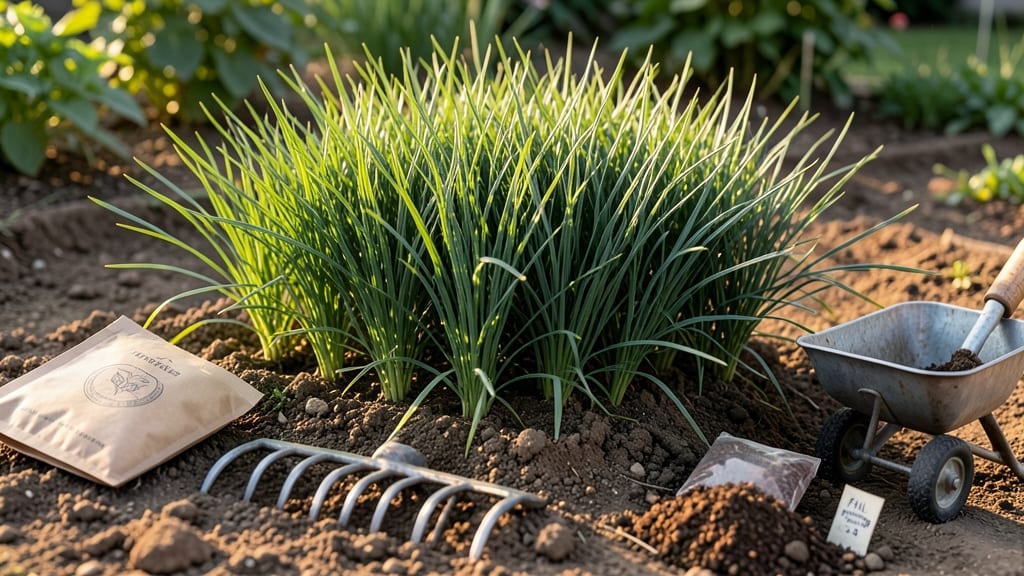
Planting grass seed in the fall is the secret to a thicker, greener lawn next spring—if you choose the right window 🌱.
Here’s the catch: too early and your seeds sprout too fast, only to get fried by summer heat. Too late and frost locks them out before they can root. The 4-6 week rule before your first frost is your golden ticket—but it shifts from zone to zone.
In USDA Zone 6a (like much of the Midwest), that means aiming for mid-September to early October. Warmer zones like 8-10 can stretch it to November, while cooler northern zones need to be done by late August.
Below, I’ll break down the exact deadlines by region, soil temperature tricks to speed up germination, and how to tell if you’ve missed the boat before winter sets in.
USDA Zone deadlines for fall grass seed planting by region
Timing your fall grass seed planting is everything—get it right, and you’ll establish deep roots before winter, giving your lawn a head start next spring. But plant too early, and weeds take over; too late, and frost kills new seedlings.
The key? Soil temperatures between 50-65°F and 4-6 weeks before your first frost. Here’s your zone-by-zone planting schedule for cool-season grasses like tall fescue, Kentucky bluegrass, and ryegrass.
Your USDA zone determines your planting window. Northern zones (3-7) have shorter growing seasons, so you’ll plant earlier, while southern zones (8-11) can stretch planting into late fall—but only if frost isn’t imminent.
Always check your average first frost date (use the National Weather Service or local extension office) and count backward. For example, if frost hits November 15, aim to plant by October 1.
Soil temperature is your real deadline. Use a soil thermometer to confirm temps are consistently above 50°F during the day. Cool-season grasses germinate best at 60-65°F, but they’ll still sprout at 50°F—just slower.
If temps drop below 40°F at night, germination stalls. In Zone 5, this might mean planting by September 15; in Zone 9, you could wait until November 1.
Here’s your zone-specific planting timeline, including ideal months, soil temp ranges, and last-minute tips to avoid winter kill:
In Zones 3-4, where winters are harsh, late August to mid-September is your only shot. These zones have the shortest growing seasons, so tall fescue and Kentucky bluegrass need every warm day to establish roots.
If you miss this window, wait until spring—fall planting is too risky. Pro tip: Use a soil warming blanket if temps dip below 50°F after planting.
For Zones 5-6, the sweet spot is early September to mid-October. This gives seedlings 6-8 weeks to root before frost. If you’re in Zone 6a (like much of the Midwest), aim for September 15Zone 6b, you can stretch to October 1. Always test soil moisture—dry soil =
How to choose the best fall planting window for your grass type
Your grass type determines the perfect fall planting window—cool-season grasses like tall fescue and Kentucky bluegrass thrive when planted in early fall, while warm-season grasses (like Bermuda) should wait until late summer. The key is matching your USDA zone with soil temperatures between 50-65°F for optimal germination.
For northern zones (3-7), aim for early fall (September-October)—this gives seeds 4-6 weeks to establish roots before frost. In transition zones (8-10), mid-fall (October-November) works best, while Zone 11 can stretch to late November with frost protection.
Timing is everything—plant too early and summer heat stresses seedlings; too late and winter kills them.
Cool-season grasses need 4-6 weeks of warm soil before frost to develop deep roots. In Zone 5, that means planting by mid-October—any later and seedlings won’t survive winter. Use a soil thermometer to confirm temps are 60°F+ at 4 inches deep before seeding.
Warmer zones like Zone 9 can extend planting to November 15, but after that, success drops to 30%.
Warm-season grasses like Zoysia or St. Augustine should never be planted in fall—they go dormant. Instead, focus on cool-season varieties that stay green through winter. If you’re in Zone 11 and must plant late, use row covers or straw mulch to protect seedlings from unexpected frosts.
Always check your local frost dates—they vary even within zones.
Pro tip: Test your soil 2 weeks before planting. If pH is below 6.0, amend with lime; if above 7.5, add sulfur. Cool-season grasses prefer 6.0-7.0 pH, while warm-season grasses thrive at 6.0-6.5. A simple soil test kit costs $10 and saves you from wasted seed.
Remember, the 4-6 week rule isn’t just about frost—it’s about giving roots time to penetrate 4-6 inches deep before winter. Shallow roots mean weak grass that struggles in spring. For best results, water deeply twice daily for the first 2 weeks, then taper to 1 inch per week once established.