
Lawn
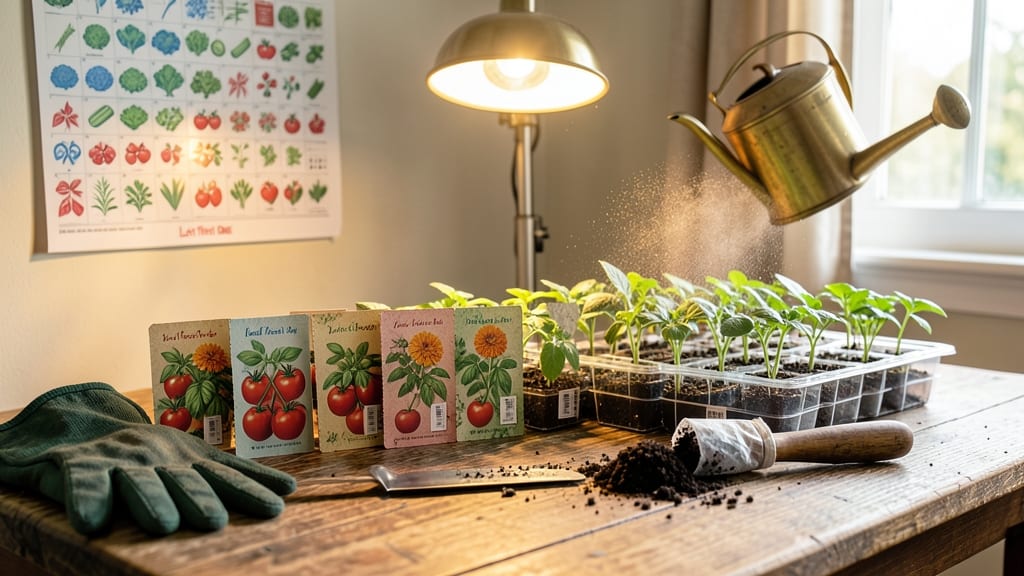
A seed planting schedule is your roadmap to a garden that bursts with life instead of flopping from missed deadlines.
Picture this: You’ve spent weeks waiting for the right moment to plant, only to watch your seeds wilt because the frost crept in too soon—or the heat arrived too fast.
That’s why knowing your USDA zone and frost dates isn’t just helpful; it’s the difference between a bountiful harvest and a wasted season.
From the first warm days of spring to the crisp air of fall, every seed has its own perfect window. Fast growers like radishes can go in early, while heat-lovers like tomatoes need to wait until the soil is at least 60°F.
This guide breaks down the exact timing for your zone, so you never guess again.
Ready to stop second-guessing and start planting with confidence? Let’s dive into the foolproof schedule that turns your garden dreams into reality.
How to determine your exact seed planting deadlines by USDA zone
Timing your seed planting wrong can mean the difference between a thriving garden and wasted effort—especially when frost dates and hardiness zones demand precision.
Your USDA zone isn't just a number; it's the foundation for calculating your last spring frost and first fall frost, which directly impact when you can safely plant seeds outdoors.
For example, a Zone 5 gardener has a shorter frost-free window (about 145 days) compared to a Zone 9 gardener (around 270 days), meaning their planting windows shift dramatically.
To create your personalized seed planting schedule, start by identifying your USDA hardiness zone using the USDA Plant Hardiness Zone Map. This zone determines your average last frost date in spring and first frost date in fall, which are critical for planning.
For instance, in Zone 3, you might see your last frost as late as May 15, while in Zone 10, frost is rare, and you can plant year-round for many crops.
Understanding these dates helps you avoid planting too early (risking frost damage) or too late (missing the growing season).
Pro Tip: Use your local cooperative extension service or weather station data to refine these dates—local microclimates can shift frost dates by 1-2 weeks even within the same zone. For example, a valley might frost later than a mountain slope just a few miles away. Always account for these variations when planning your seed planting deadlines.
| USDA Zone | Avg Last Spring Frost | Avg First Fall Frost | Critical Planting Windows |
|---|---|---|---|
| Zone 3 | May 15 | September 30 | Spring: After May 15 Fall: Before August 15 |
| Zone 4 | May 1 | October 15 | Spring: After April 30 Fall: Before August 1 |
| Zone 5 | April 15 | October 31 | Spring: After April 15 Fall: Before July 31 |
| Zone 6 | April 1 | November 15 | Spring: After March 20 Fall: Before August 15 |
| Zone 7 | March 15 | December 1 | Spring: After March 1 Fall: Before September 1 |
| Zone 8 | February 15 | December 15 | Spring: After February 1 Fall: Before October 1 |
| Zone 9 | January 1 | January 31 | Spring: After December 15 Fall: Before November 15 |
| Zone 10 | None (year-round) | None (year-round) | Spring/Fall: Plant anytime; adjust for heat waves |
*Frost dates vary yearly; use local data for precision. Microclimates (e.g., urban areas) can shift dates by 1-3 weeks.
Once you’ve pinpointed your frost dates, calculate your planting deadlines by working backward from these milestones.
For example, if your first fall frost is October 31 (like in Zone 6), you’ll want to plant cool-season crops like kale or spinach by August 1 to ensure they mature before frost.
Conversely, warm-season crops like tomatoes or peppers need to be planted after your last spring frost and have enough time to mature before the first frost—typically 90-120 days before frost.
Adjust for microclimates to fine-tune your schedule. A south-facing wall or urban heat island can create a 2-3 week extension in your growing season.
For instance, if you’re in Zone 5 but have a microclimate that delays frost by 10 days, you might safely plant cold-hardy crops like peas or lettuce a week earlier.
Use a garden thermometer to monitor soil temperatures—most seeds need soil at least 50°F to germinate, while warm-season crops require 60-70°F.
Don’t forget to account for seed packet instructions, which often include days-to-maturity. For example, if your last frost is May 15 and you’re growing bush beans (which take 55 days to harvest), you’ll need to plant by
Top 10 fastest-growing seeds you can plant early (before last frost)
When spring finally arrives, the last thing you want is to wait months for your garden to produce. That’s why fast-growing seeds are my secret weapon for early harvests and instant gratification.
These quick-sprouting varieties give you fresh produce in just 25-50 days, perfect for beating frost and filling your table before summer crops take over.
Planting these seeds 4-6 weeks before your last frost date ensures you’ll harvest before summer heat sets in. Plus, their speed makes them ideal for succession planting—just pull up what you’ve harvested and replant the same spot.
Let’s dive into the top 10 fastest seeds and how to time them perfectly for your zone.
🌱 Plant: 4-6 weeks before last frost
📅 Spacing: 1-2" apart, rows 12" apart
⏱️ Harvest: Pull when 1" wide
🌱 Plant: 6-8 weeks before last frost
📅 Spacing: 6-12" apart, rows 12-18" apart
⏱️ Harvest: Cut outer leaves
🌱 Plant: Early spring or fall
📅 Spacing: 4-6" apart, rows 12" apart
⏱️ Harvest: Pick young leaves
🌱 Plant: 2-3 weeks before last frost
📅 Spacing: 2-3" apart, rows 6" apart
⏱️ Harvest: Snip tops as needed
🌱 Plant: After soil reaches 60°F
📅 Spacing: 4-6" apart, rows 18" apart
⏱️ Harvest: Pick when pods firm
For USDA Zones 3-5, start these seeds indoors 4-6 weeks before your last frost to give them a head start. In Zones 6-10, you can plant directly outside as soon as the soil is workable—usually 2-4 weeks earlier than northern zones.
Pro tip: Use row covers to extend your early planting window by 2-3 weeks if frost threatens.
Don’t stop at one planting! Succession planting is key for continuous harvests. For example, sow radishes every 2 weeks for a steady supply, and replant lettuce every 3 weeks once the first batch bolts. This trick keeps your garden productive and your kitchen stocked with fresh greens all season long.
My favorite early-season combo? Radishes + Lettuce in one bed—the radishes mature first, while the lettuce fills in the gaps. Plus, radishes act as a natural pest deterrent for lettuce, keeping slugs and snails at bay.
With these fast growers, you’ll have a harvest in your hands in no time—and that’s the real reward of smart planting! 🌱