
Plants
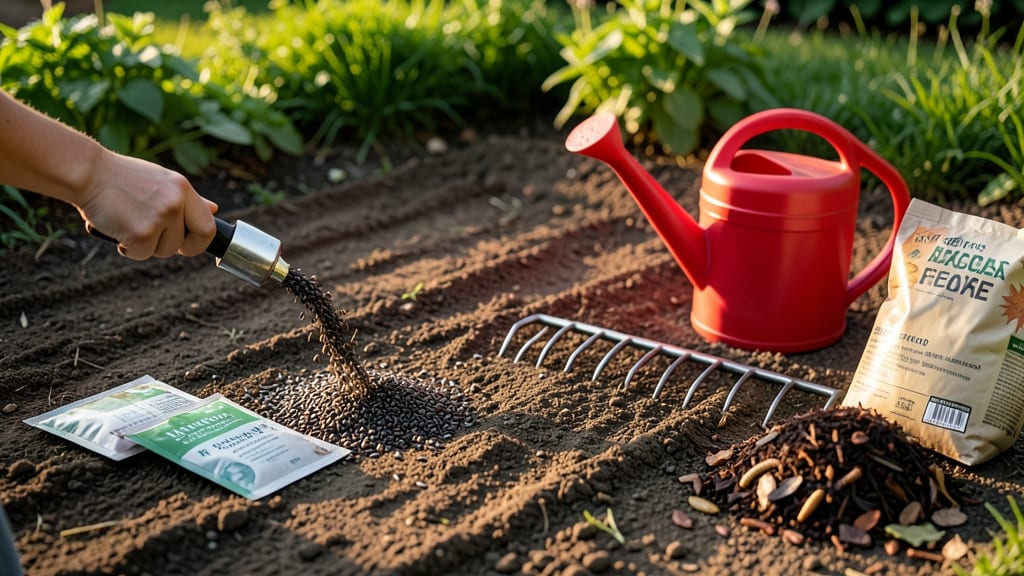
Planting grass seed in the fall is the smartest way to grow a thick, resilient lawn—but the timing has to be just right.
Fall is the perfect time to plant grass seed, but get it wrong, and you’ll either waste money on weeds or watch your seed freeze before roots take hold.
The secret? Planting 4-6 weeks before your first frost, when soil stays warm enough for germination but cool enough to slow weeds.
In USDA Zone 6a, that means aiming for late September to early October—just in time for roots to establish before winter dormancy. Miss that window, and you risk a patchy lawn next spring. Get it right, and you’ll have a head start on neighbors still struggling with bare spots.
Below, I’ll break down the exact deadlines for your region, soil prep tricks to outsmart weeds, and the one mistake that kills more lawns than frost ever will.
USDA zone-specific fall grass seed planting deadlines by region
Fall planting gives grass seed 4-6 weeks to establish roots before winter dormancy—critical for spring success. The ideal window varies by USDA zone, soil temperatures, and first frost dates.
Plant too early, and weeds outcompete seedlings; too late, and roots won’t harden before freeze. Let’s break down the exact deadlines for your region.
Cool-season grasses like Kentucky bluegrass and tall fescue thrive when soil temps hover between 60°F and 75°F. This range triggers germination without stressing young roots. Most zones hit this sweet spot in September or early October, but mountain regions may need to start earlier due to cooler climates.
Northern zones (3-5) face the tightest deadlines—often just 4 weeks before frost—while Southern zones (7-9) can plant until November. Mountain regions (6-8) require careful monitoring of elevation-based frost dates. Use your local USDA zone map to pinpoint your exact window.
For Northern zones (3-5), aim to plant by September 15 to give roots time to establish before first frost. Use a soil thermometer to confirm temps are above 60°F—cooler soils delay germination.
In Mid-Atlantic zones (6-7), extend your window until October 15, but avoid planting after November 1 when nights dip below 40°F.
Southern gardeners in zones 7-9 have the most flexibility, with some areas able to plant until mid-November. However, prioritize October for cooler soil temps that reduce weed competition. Mountain regions (e.g., Colorado, Tennessee) should plant by September 1 due to earlier frosts at higher elevations.
Pro tip: Check your local frost dates (via Almanac.com) and count backward 4–6 weeks.
If your zone isn’t listed, err on the side of earlier planting—you can always mulch lightly to protect seedlings if temps drop unexpectedly. Cool-season grasses like ryegrass germinate faster in warm soil, while fescue tolerates cooler temps better.
Post-planting, monitor soil moisture—deep watering 2x daily for the first 2 weeks is non-negotiable. Use a rain gauge to track 1–1.5 inches of water weekly.
Avoid walking on new seed until blades reach 3 inches tall to prevent soil compaction. Mulch lightly with straw (¼") to retain moisture without smothering seeds.
Remember: The goal is root depth, not top growth. By planting within your zone’s optimal window, you’ll see 50% stronger roots by spring compared to spring planting.
Skip the guesswork—use the table above to lock in your exact deadline and start prepping soil now. Your future lawn will thank you! 🌱
How to prepare soil and choose grass seed for fall planting success
Fall planting gives grass seed a head start on root growth before winter dormancy. But success starts with soil preparation—skipping this step leads to poor germination and weed competition.
I’ll walk you through testing, adjusting, and aerating your soil, plus how to pick the right cool-season grass types for your climate zone.
First, test your soil’s pH using a home kit (available at garden centers). Most grasses thrive in pH 6.0–7.0. If your soil is too acidic (<6.0), add lime 4–6 weeks before planting.
For alkaline soil (>7.0), mix in sulfur or peat moss. This adjustment takes time, so don’t wait until the last minute!
🌱 Key Takeaway: When to Plant Grass Seed in the Fall
📅 Ideal Planting Window
4–6 weeks before your first frost date (e.g., mid-September in Zone 5, October in Zone 7).
🌡️ Soil Temperature
Keep soil temps between 60–75°F for germination. Use a soil thermometer to check.
🌱 Grass Seed Types
Choose cool-season grasses: Kentucky bluegrass (drought-tolerant), tall fescue (shade-friendly), or ryegrass (fast germinator).
Next, aerate your lawn if the soil feels hard or spongy when pressed. Rent a core aerator to pull out small soil plugs, which loosens compaction and lets roots penetrate deeper.
This is especially critical for high-traffic areas or clay-heavy soils. Follow up by top-dressing with compost (¼ inch thick) to add nutrients and improve texture.
Selecting the right grass seed mix depends on your climate and lawn use. For Northern regions (Zones 3–5), tall fescue or fine fescue handle cold well. In Southern zones (6–8), Kentucky bluegrass or perennial ryegrass thrive with cooler winters.
Always check the seed bag for cool-season labels—warm-season grasses (like Bermuda) won’t survive fall planting.
Before sowing, mow existing grass short (1–1.5 inches) and rake away debris. This creates a clean seedbed and reduces competition. For new lawns, till the top 4–6 inches of soil to break up clumps.
Then, spread seed evenly using a broadcast spreader (follow package rates—typically 5–10 lbs per 1,000 sq ft). Lightly rake seeds into the soil to ensure contact.
Finally, water deeply but gently to avoid displacing seeds. Aim for ¼ inch of water daily (or every other day if rain falls) until germination (usually 7–21 days).
Once sprouts reach 3 inches, reduce watering to ½ inch per week to encourage deep roots. Mulch with straw (not hay) to retain moisture and suppress weeds.
With the right prep, your grass will establish strong roots before winter, emerging in spring as a dense, weed-resistant lawn. Start now—fall’s fleeting, and so is the perfect planting window! 🌿