
Planting
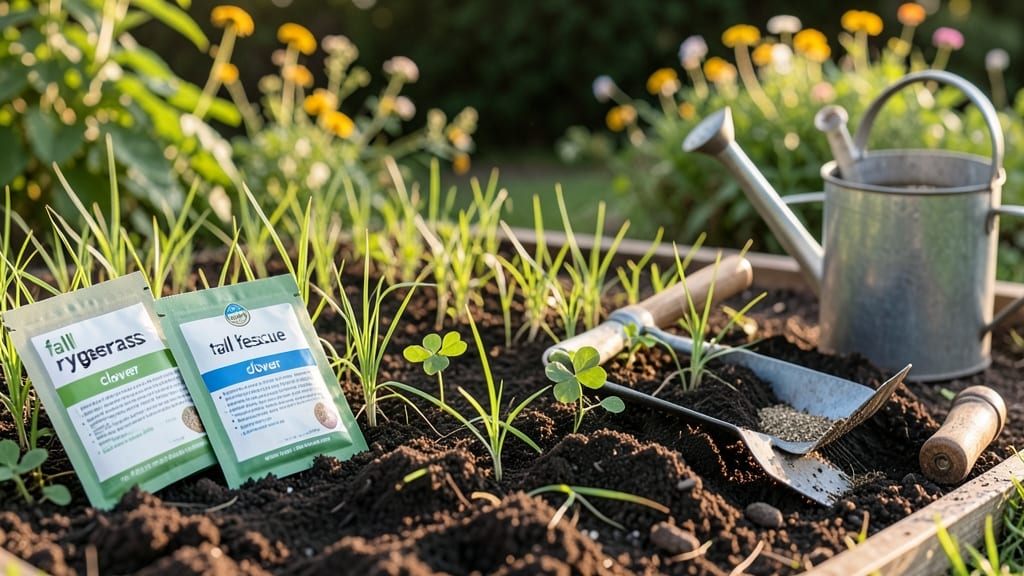
The best time to reseed in fall is 4-6 weeks before your first frost—when soil stays warm enough for seeds to germinate but nights cool down to slow weed growth.
Picture this: You’ve spent the summer battling bare patches, and now you’re ready to fix them—but plant too early, and weeds steal the show. Too late, and frost zaps your tender new grass before it even takes root.
This window isn’t just a guess; it’s backed by science. Cooler air and shorter days signal seeds to grow roots deep before winter, while still giving them enough warmth to break through the soil.
Below, I’ll break down how to calculate your exact frost date, the best grass types for fall planting, and the 3 critical steps to prep your lawn so your new seeds thrive—not just survive.
Why 4-6 weeks before first frost is the optimal fall reseeding window
Fall reseeding isn’t just about throwing seeds on bare soil—it’s a scientifically timed process to give new grass roots the perfect head start. The 4-6 week window before your first frost isn’t random; it’s based on how plants grow when temperatures drop.
Cool-season grasses like fescue and ryegrass thrive in these conditions, but they need time to establish strong roots before winter dormancy sets in.
When you plant too early, weeds like crabgrass and chickweed steal nutrients and sunlight from your tender seedlings. Too late, and young roots won’t mature enough to survive freezing temperatures or heavy snow. The magic happens when soil temps hover between 50-65°F (10-18°C)—ideal for germination without overheating the seeds.
Here’s the science: Grass seeds need 4-6 weeks to develop a root system deep enough to access moisture and nutrients stored in the soil. This gives them a survival advantage when winter arrives. Without this buffer, your lawn could end up patchy or dead by spring.
Your local frost date is the anchor for timing. Check the USDA Plant Hardiness Zone Map to find your zone (3-10), then use historical data from your local weather station. For example, Zone 5 typically sees first frost in mid-October, while Zone 9 might not freeze until December.
Planting 4-6 weeks before these dates ensures your seeds have time to establish.
Don’t rely on guesswork—use tools like the National Oceanic and Atmospheric Administration (NOAA) frost prediction maps or apps like Old Farmer’s Almanac for precise dates. Pro tip: Mark your calendar 6 weeks before your expected frost date to start preparing your lawn for seeding.
| USDA Zone | First Frost Date | Optimal Reseeding Window | Soil Temp Range (°F) |
|---|---|---|---|
| 3-4 | Late September | Early August | 50-60°F (10-15°C) |
| 5-6 | Mid-October | Late August | 55-65°F (13-18°C) |
| 7-8 | Late November | Mid-October | 60-70°F (15-21°C) |
| 9-10 | December-January | Late October | 65-75°F (18-24°C) |
Regional variations matter because cooler climates have shorter growing seasons. In USDA Zones 3-4, where winters are harsh, aim to finish reseeding by early September to avoid early frosts.
Meanwhile, Zones 9-10 can extend seeding into November thanks to milder winters. Always adjust for microclimates—shady spots or low-lying areas may frost earlier than sunny exposures.
Another key factor is daylight length. As days shorten in fall, plants shift into a growth phase where they focus on root development rather than leafy top growth. This natural process aligns perfectly with the 4-6 week rule, giving your grass the energy it needs to survive winter.
Think of it as nature’s way of preparing your lawn for dormancy.
If you’re unsure about your exact frost date, err on the earlier side of the window. Seeds planted 6 weeks out can handle cooler soil temps better than those planted too late.
For example, tall fescue seeds germinate well at 50°F (10°C), while perennial ryegrass prefers 55°F (13°C). Check your seed packet for specific recommendations.
Finally, remember that consistent moisture is just as critical as timing. After seeding, keep the soil evenly moist (not soggy) for the first 2-3 weeks to encourage strong root growth. Use a light layer of straw mulch to retain moisture and protect seeds from drying winds.
Timing your fall reseed correctly isn’t just about avoiding frost—it’s about giving your lawn the best chance to outcompete weeds and establish deep, resilient roots. With the right window, you’ll wake up to a greener, thicker lawn next spring, ready to handle summer’s challenges.
How to prepare your lawn for fall reseeding in 3 critical steps
Fall reseding gives your lawn a second chance to thrive, but proper preparation is key. Without the right steps, seeds won’t germinate well or establish strong roots before winter.
I’ve learned that soil prep, aeration, and weed control are non-negotiable for success. Let’s break down how to do each step right.
First, you’ll want to test your soil’s pH and nutrient levels at least 4-6 weeks before planting. Most cool-season grasses prefer a pH between 6.0 and 7.0.
If your soil is too acidic or alkaline, amend it with lime or sulfur. This step ensures your seeds have the best possible environment to sprout and grow.
3 Critical Steps for Fall Reseeding Prep
- Step 1: Test and amend soil (pH 6.0-7.0, add compost or fertilizer)
- Step 2: Aerate lawn 2-3 days before seeding (core aeration preferred)
- Step 3: Control weeds (organic mulch or pre-emergent herbicide)
Next, aerate your lawn to relieve compacted soil and improve seed-to-soil contact. Core aeration—where plugs of soil are removed—works best. Do this 2-3 days before seeding so the holes don’t dry out.
For large lawns, rent a core aerator or hire a professional. This step is especially important if your lawn feels spongy when you walk on it.
Weed control is the final critical step before seeding. If weeds are already sprouting, use a pre-emergent herbicide like corn gluten meal (organic) or a chemical like pendimethalin.
For existing weeds, spot-treat with vinegar (organic) or glyphosate (chemical). Avoid herbicides with long residual periods, as they can harm new grass seedlings.
After completing these steps, rake the lawn lightly to create a fine seedbed and level any low spots. This ensures seeds make good contact with the soil.
Water lightly before seeding to help seeds settle into the soil. Once planted, keep the soil consistently moist—not soggy—until germination occurs (usually 7-21 days).
Remember, fall reseding success hinges on these three steps. Skipping any of them can lead to patchy growth or failed germination. With the right prep, your lawn will reward you with dense, vibrant grass by spring. Happy planting! 🌱