
Plants
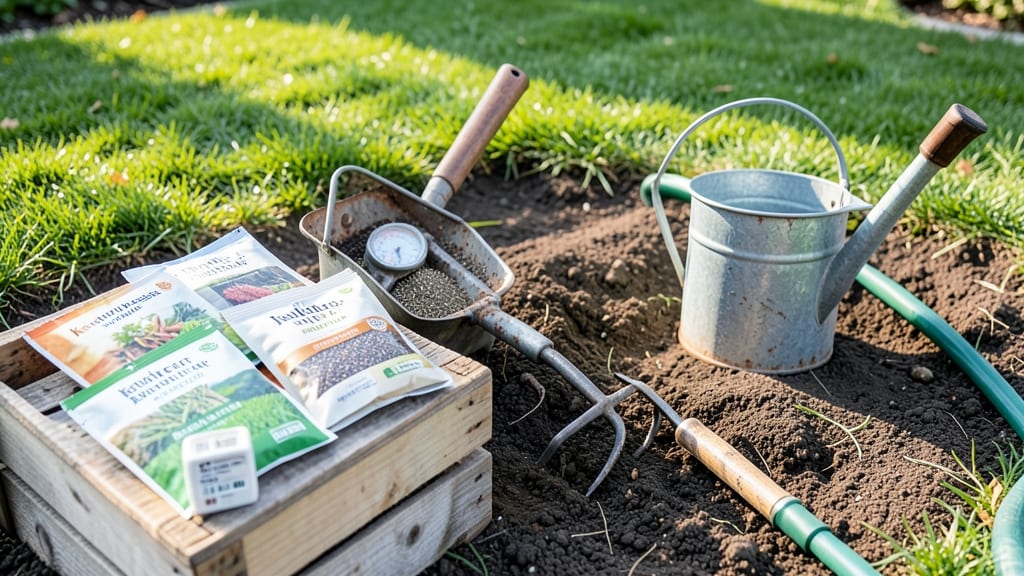
Planting grass seed in Minnesota’s fall means timing it 4-6 weeks before the first frost—typically late August to early October—to give roots time to establish before winter.
Minnesota’s unpredictable fall weather can make or break your lawn—planting grass seed at the right time ensures deep roots and a lush spring green-up, but timing is everything.
Cool-season grasses like Kentucky bluegrass and fescue thrive when soil temperatures stay above 50°F, while frost-sensitive seedlings need protection before the ground freezes. In zones 4a-5b, that window narrows to just 6-8 weeks before the first hard freeze.
Below, I’ll break down the exact weeks to plant, soil prep tips for Minnesota’s clay-heavy soil, and how to avoid common mistakes that ruin fall seedings.
Best weeks before frost to plant grass seed in Minnesota (with climate zones)
Minnesota’s cool-season grasses like Kentucky bluegrass, tall fescue, and perennial ryegrass thrive when planted in fall, but timing is critical. The ideal window is 4-6 weeks before your area’s first frost, giving seedlings time to establish deep roots before winter dormancy.
This typically lands between mid-August and early October, but varies by USDA Zone.
Fall planting works because cooler temperatures reduce stress on young grass, while longer daylight hours in early fall provide energy for root growth. Minnesota’s USDA Zones 4a-5b experience first frosts anywhere from mid-October in the north to early November in the south, so local data matters.
Use the Minnesota State Climatology Office frost maps to pinpoint your exact window.
Heat sum calculations (growing degree days) confirm this timing. Grass needs 1,200-1,500 growing degree days after planting to establish before winter. In Minnesota, this translates to 6-8 weeks of warm fall weather, which aligns perfectly with late August through September plantings.
For Zone 4a gardeners in northern Minnesota, aim to plant by September 1st—this gives you 6 weeks of warm soil before frost.
In Zone 5b areas like the Twin Cities, you can push it until October 15th, but avoid planting after mid-October when nights consistently drop below 40°F.
Your local weather patterns matter more than hard zones. Check the National Weather Service’s 30-day forecasts for your area. If your region experiences unusually warm Septembers (like 2023’s heatwave), you might extend planting until October 1st. Conversely, early frosts (like 2014’s October freeze) demand earlier planting.
Grass seed needs 50-60°F soil temperatures for germination. In Minnesota, soil temps drop below this by mid-October in most areas. Use a soil thermometer to verify—plant when temps are consistently 55°F or higher during the day. This often means waiting until after Labor Day in northern regions.
Pro tip: Seed blends with ryegrass (like ‘Manhattan’ perennial ryegrass) germinate faster in cool soil, giving you a 2-week advantage over pure bluegrass mixes. For shade-prone areas, choose fine fescue varieties—they tolerate cooler fall temps better than Kentucky bluegrass.
After planting, monitor soil moisture closely. Fall rains can make watering tricky—aim for 1 inch of water weekly, but reduce if your area gets consistent rainfall. The goal is consistent moisture until roots reach 4 inches deep, which typically takes 3-4 weeks in Minnesota’s fall conditions.
Remember: Late fall plantings (after October 15th) often fail because seedlings can’t establish before winter. If you miss the window, wait until early spring (April) for your second chance—but spring plantings face weed competition and drought stress that fall plantings avoid.
How to prepare your Minnesota lawn for fall grass seed planting (step-by-step)
Fall is the perfect time to plant grass seed in Minnesota, but your clay-heavy soil and short growing season demand extra prep work. Without proper preparation, your seeds may struggle to establish strong roots before winter.
The key is creating ideal conditions—loose soil, minimal weeds, and the right seed mix—that will help your lawn thrive despite Minnesota’s challenges.
Start by testing your soil pH and nutrient levels—Minnesota’s clay soil often needs amendments like compost or lime to improve drainage and fertility. Once you’ve adjusted the soil, focus on aeration and weed control to give your new grass seedlings the best chance to take hold.
Let’s break this down into clear, actionable steps to ensure your lawn looks its best next spring.
Step-by-Step Guide to Fall Grass Seed Prep
-
Test Your Soil
Use a soil test kit (available at garden centers) to check pH (6.0-7.0 ideal) and nutrient levels. Minnesota’s clay soil often tests too acidic—amend with pelletized lime if needed. -
Mow Short & Remove Debris
Cut grass to 1.5-2 inches and rake away thatch and dead leaves to expose bare soil. This helps seeds make direct contact with the earth. -
Aerate the Lawn
Rent a core aerator to pull 3-4 inch plugs from the soil. This breaks up compacted clay and improves root penetration for new seeds. -
Control Weeds
Apply a pre-emergent herbicide (like corn gluten meal) to prevent weeds from competing with your grass. For existing weeds, spot-treat with vinegar or glyphosate 2 weeks before planting. -
Spread Seed & Topsoil
Choose a cool-season mix (Kentucky bluegrass, fescue, or ryegrass) and spread evenly at 4-6 lbs per 100 sqft. Lightly cover with ¼ inch of topsoil to protect seeds. -
Water Deeply & Consistently
Keep soil moist but not soggy with 1 inch of water daily for the first 2 weeks. Reduce to ½ inch every other day afterward until dormancy.
After planting, avoid heavy foot traffic for at least 2 weeks to let seedlings establish. If frost hits early, cover the area with straw mulch to protect tender shoots. With these steps, your Minnesota lawn will develop deep, resilient roots before winter—setting you up for a lush, green spring.
Don’t forget to fertilize lightly in late summer (4-6 weeks before frost) with a slow-release 20-0-5 blend to boost root growth. This small investment now will pay off with a thicker, healthier lawn next year.
🌱