
Propagation
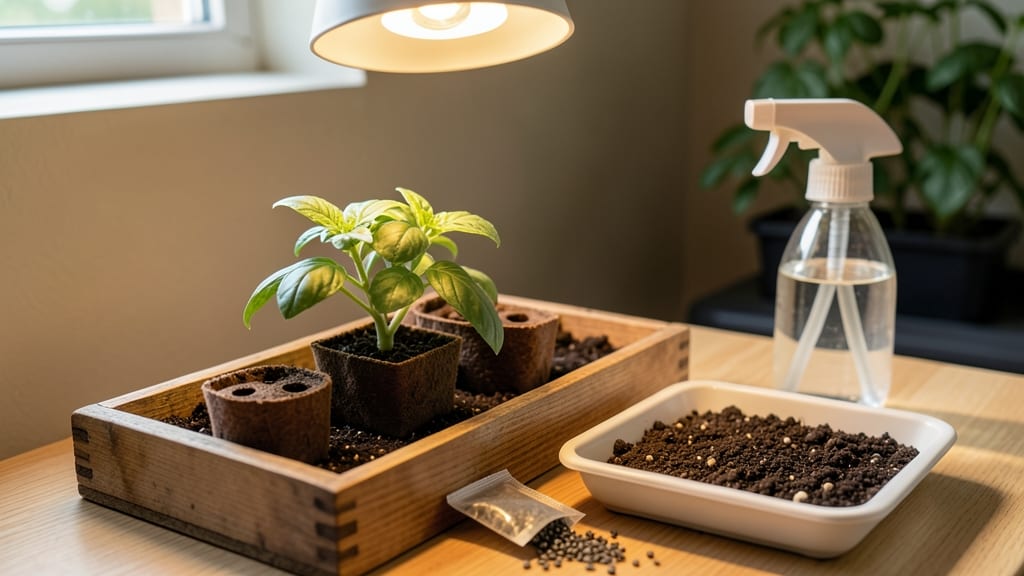
Growing basil from seed indoors starts with a simple trick: soak the seeds overnight—this cuts germination time from weeks to just 2 days. 🌱 I’ve grown dozens of basil plants this way, and the difference between soaked and dry seeds is night-and-day.
The key is patience and the right conditions, because once those first sprouts appear, you’ll be hooked. You’ll need just three supplies: a shallow container (like a plastic takeout tray), damp paper towels, and a clear plastic bag to create humidity.
Basil seeds are tiny, so don’t worry if they look like specks—just scatter them on the damp towel and fold it over. Place the whole setup on a warm spot (like on top of your fridge) and wait. Within 48 hours, you’ll see those first green shoots pushing through.
By day 7, you’ll have lush, dark-green seedlings ready for transplanting into soil. The secret? Keep the soil moist but not soggy—basil hates wet feet. Use a well-draining potting mix and a container with drainage holes to avoid root rot.
Within 2 weeks, you’ll have sturdy plants perfect for snipping fresh leaves anytime. This method works year-round, even in winter, and you’ll save money compared to store-bought plants. Plus, homegrown basil tastes far superior—bright, peppery, and full of flavor.
Here’s how to keep them thriving indoors until they’re ready for the garden.
📚 In This Guide
- What you need
- Instructions
- Tips and common mistakes
- Wrapping up and next steps
What you need
- ● Basil seeds – 5–10 seeds (non-GMO or heirloom varieties like Genovese or Sweet Basil work best).
- ● Seed-starting trays or small pots – 2–4 inch pots (biodegradable or plastic) or a seed tray with drainage holes.
- ● Seed-starting mix – A lightweight, sterile soilless mix (avoid garden soil—it’s too dense!). Aim for 2–3 cups.
- ● Spray bottle – For gentle watering (a 16–32 oz. misting bottle works perfectly).
- ● Clear plastic dome or plastic wrap – To create a humidity tent (or a ziplock bag with holes punched in it).
- ● Grow lights or sunny windowsill – A full-spectrum LED grow light (12–16 watts) or a south-facing window (6+ hours of sunlight daily).
- ○ Humidity tray or shallow dish – Optional but helpful (fill with pebbles + water to boost moisture).
- ● Heating mat – Speeds up germination (70–75°F is ideal).
- ● Fertilizer – A balanced liquid fertilizer (5-5-5 or 10-10-10) diluted to half-strength for seedlings.
- ● Twine or toothpicks – For supporting stems as they grow taller.
- ● Pruning shears – To pinch back stems and encourage bushiness.
- ● pH test kit – Ensures your soil mix is 6.0–6.5 (basil loves slightly acidic soil!).
Step-by-step instructions for growing basil from seed indoors
Here's how to get your basil sprouting in just 5-7 days—no fancy tools, just smart timing.
🌱 Step 1: Prep Seeds and Containers for Speed
Basil seeds germinate fastest when prepped right. First, soak the seeds in a bowl of lukewarm water for 12-24 hours. This softens the hard outer shell so they sprout quicker. Meanwhile, fill 4 small pots (3-4 inches wide) with moistened seed-starting mix—press it down gently so it's firm but not packed. You're aiming for soil that holds moisture but doesn't feel soggy when squeezed.
I like to press seeds just barely under the surface—no deeper than ¼ inch—using my fingertip. Too deep, and they’ll struggle to break through. Tap the soil lightly after planting to settle everything. Here’s the thing: basil seeds are tiny, so I tap the seed packet gently over the pots to release them one at a time. Planting too many in one spot leads to weak, crowded seedlings later.
💧 Step 2: Create a Mini Greenhouse for Germination
Cover the pots with clear plastic wrap or a humidity dome to trap warmth and moisture—basil loves it humid. Place them in a spot that stays 70-75°F (a sunny windowsill or on top of the fridge works). Check daily but don’t water yet. The trapped moisture should keep the soil damp enough. You’ll see tiny sprouts in 5-7 days—that’s the magic of pre-soaking!
Once the first green shoots appear, remove the cover immediately. Too much humidity now invites mold, which will rot those delicate stems overnight. Keep the soil lightly moist by misting with water (not pouring) until the seedlings have 2-3 true leaves—those are the second set of leaves after the initial seed leaves.
☀️ Step 3: Move to Bright Light and Prevent Leggy Growth
Basil seedlings need 12+ hours of bright light daily—a south-facing window rarely cuts it. I use a grow light (or a bright LED bulb) 2-3 inches above the plants, turning it on for 14 hours a day. Watch for leggy growth (long, thin stems bending toward light)—this means your light’s too far away. Strong seedlings have thick stems and dark green leaves spaced closely together.
Rotate the pots a quarter turn every few days so they grow straight, not lopsided. Water from the bottom now—place the pots in 1 inch of water for 10 minutes, then drain. This prevents soil from splashing on leaves (which causes disease) and keeps roots happy. You’ll know it’s time to water again when the top inch of soil feels dry to the touch.
🌿 Step 4: Thin and Fertilize for Bushy Growth
When seedlings are 2 inches tall, thin to the strongest plant per pot—snip the others at the base with clean scissors. This gives your basil room to grow bushy, not crowded. After thinning, add a half-strength liquid fertilizer (like fish emulsion) to the soil. Basil is a heavy feeder, so I fertilize every 2 weeks once the plants are established.
Pinch off the top set of leaves when the plant is 4-6 inches tall—this encourages it to branch out instead of growing tall and floppy. You’ll see new side shoots forming in 7-10 days. That’s your signal the plant is happy and ready for more light. If leaves yellow, it’s usually overwatering—let the soil dry out more between waterings.
Tips & tricks for fast basil germination indoors
These little tricks will help you beat the 5-7 day sprout window and grow basil that's bushier than your neighbor's envy.
Seed Prep Secret: Don't just soak those seeds—use lukewarm water (not hot) for the 12-24 hours soak. Too hot water can actually damage the delicate seeds. After soaking, give them a quick rinse before planting to remove any water-soluble compounds that might slow germination. I also like to sprinkle a pinch of cinnamon in the water—it's a natural antifungal that prevents mold while the seeds soften.
Lighting Hack: That 14 hours of light doesn't have to mean expensive grow lights. A simple LED desk lamp with a bright white bulb (6000K color temperature) works perfectly when placed 2-3 inches above the seedlings. Just make sure it's on a timer—basil needs that consistent light cycle to grow strong, not leggy. I keep mine on from 6am to 8pm daily, and my seedlings turn out stocky and healthy.
Humidity Watch: The 70-75°F greenhouse phase is critical, but here's what nobody tells you—condensation on the plastic wrap means you've got the humidity just right. If you see droplets forming, you're golden. Too much condensation? That's a sign of over-moisture which can cause mold. I crack the plastic for 10 minutes daily during this phase to let fresh air circulate while keeping it humid enough for those tiny sprouts.
Thinning Strategy: When you're thinning those 2-inch seedlings, don't just pull them out—snip them at the base with clean scissors. This prevents disturbing the roots of your chosen plant. I also like to save the thinned seedlings for tea or pestos (they're perfectly edible!) rather than tossing them. That way, nothing goes to waste in this process.
Pro Tips for Grow Basil From Seed Indoors
- These little tricks will help you beat the 5-7 day sprout window and grow basil that's bushier than your neighbor's envy.
- Seed Prep Secret: Don't just soak those seeds—use lukewarm water (not hot) for the 12-24 hours soak.
- Lighting Hack: That 14 hours of light doesn't have to mean expensive grow lights.
Frequently asked questions
Got questions about growing basil from seed indoors?
You’re not alone! Here are answers to the most common concerns—from speedy germination to troubleshooting—so you can grow lush, flavorful basil like a pro.
How long does it take for basil seeds to germinate indoors?
With the right warmth (70–80°F) and moisture, basil seeds typically sprout in 7–14 days. Use a heat mat or sunny windowsill to speed things up. Patience is key—don’t overwater, or seeds may rot before germinating! Pro tip: Soak seeds overnight to soften the hard outer shell and encourage faster sprouting.
Can I grow basil indoors without a grow light?
Yes, but your basil will need 6+ hours of bright, direct sunlight daily (south-facing window works best). If natural light is weak, supplement with a LED grow light 12–16 hours/day to prevent leggy, weak plants. Rotate the pot weekly for even growth. Watch for: Yellowing leaves = not enough light!
Why are my basil seedlings turning yellow or moldy?
Yellow leaves often signal overwatering or damp soil (basil hates soggy roots). Ensure pots have drainage holes and water only when the top inch of soil is dry. Mold or fuzzy growth? Reduce humidity (use a fan) and avoid crowding seedlings. Fix it: Trim affected leaves and repot if needed.
How do I keep basil from flowering indoors?
Basil flowers signal it’s time to harvest! To delay blooming (and bitter taste), pinch off flowers as they appear and harvest leaves regularly. Keep plants in cool (60–70°F) conditions and avoid over-fertilizing with nitrogen. Bonus: Snip leaves from the top to encourage bushier growth!
Can I grow basil in water instead of soil?
Basil thrives in water propagation—just place 2–3 inch stems in a jar of water, changing it every 2–3 days. Roots grow in 1–2 weeks, then transplant to soil. Note: Water-grown basil may bolt faster, so harvest aggressively. Try it: Use a clear jar to watch roots develop!
Wrapping up and next steps
Growing basil from seed indoors is a rewarding journey that brings fresh, aromatic herbs right to your windowsill—no green thumb required! 🌱 With the right setup, patience, and a little care, you’ll enjoy lush stems and vibrant leaves in just two weeks.
Start small, stay consistent, and soon you’ll be harvesting basil for pesto, salads, or teas with pride.
Ready to take the next step? Expand your indoor herb garden by trying other easy-to-grow seeds like parsley or mint—or share your basil bounty with friends! 🌟