
Propagation
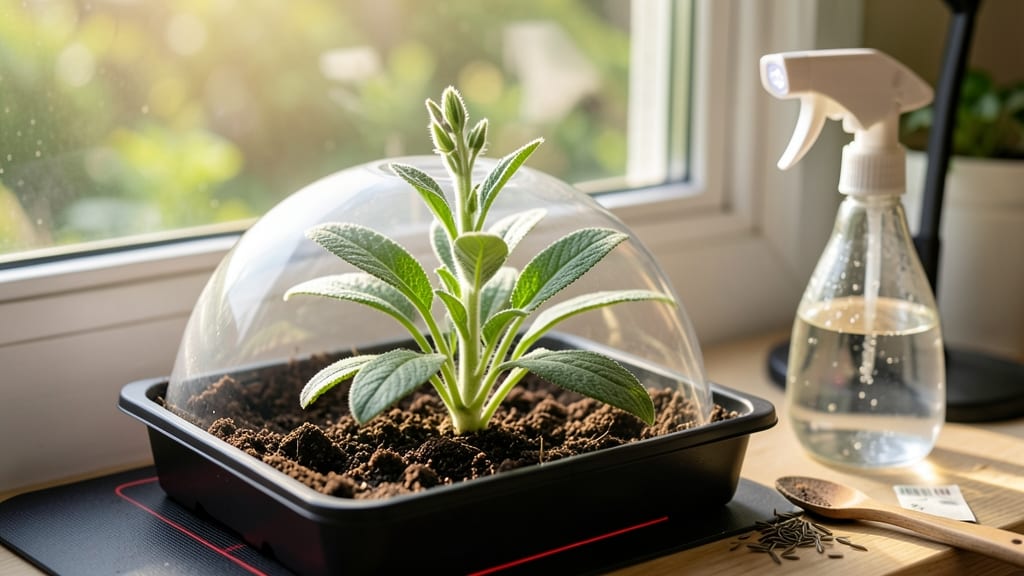
Growing snapdragons from seed indoors lets you beat the heat and enjoy bright blooms in just 8 weeks—no nursery waitlist required. 🌱 I’ve started hundreds of seeds, and snapdragons are the most forgiving for beginners, especially when you use a lightweight soil mix that prevents damping off.
The secret? A simple soil trick that keeps roots happy while seedlings stretch toward the light.
Start with a shallow tray, seed-starting mix, and a spray bottle—no fancy equipment needed. Snapdragons love cool soil (60-65°F) and bright light, but they’ll forgive a few mistakes if you keep them evenly moist.
The lightweight soil trick? Mix in 20% perlite to prevent compaction, which gives those delicate roots room to breathe. You’ll see tiny sprouts in 7-14 days, and they grow fast once they’re up.
By the time you transplant them outdoors, you’ll have stocky, bushy plants ready to outcompete weeds for sunlight. The early start means blooms by midsummer, and you’ll avoid the disappointment of wimpy nursery starts. Plus, snapdragons self-seed like crazy—once you grow one batch, you’ll have free plants for years.
Works for any windowsill or under grow lights, and the same method applies to other cool-season flowers like violas or sweet alyssum. Let’s get those seeds sprouting!
📚 In This Guide
- What you need
- Instructions
- Tips and common mistakes
- Wrapping up and next steps
What you need
- ● Snapdragon seeds: Choose heirloom or hybrid varieties (e.g., 'Matrix,' 'Rocket,' or 'Black Prince'). Plan for 10-20 seeds per tray or pot.
- ● Seed-starting trays or pots: 2-4" deep containers with drainage holes (e.g., plastic cell packs, seedling trays, or small pots). Aim for 1 seed per cell or pot.
- ● Seed-starting mix: Lightweight, sterile, and well-draining mix (avoid garden soil). A high-quality peat/perlite/coco coir blend works best.
- ● Grow lights or sunny windowsill: Snapdragons need 12-16 hours of light daily. LED grow lights (full-spectrum) are ideal if natural light is limited.
- ● Spray bottle with water: For gentle hydration (avoid overhead watering to prevent damping-off).
- ○ Humidity dome or plastic wrap: To retain moisture during germination (optional but helpful for first 1-2 weeks).
- ● Fertilizer: Balanced, water-soluble fertilizer (e.g., 10-10-10 or 5-5-5) diluted to half-strength for seedlings.
- ● Heating mat: Speeds up germination (ideal for cooler homes). Set to 70-75°F.
- ● pH test kit: Ensure soil pH is 6.0-7.0 (snapdragons prefer slightly acidic to neutral soil).
- ● Labels or markers: Track seed varieties and planting dates.
- ● Tweezers or popsicle sticks: For delicate seed handling (snapdragon seeds are tiny!).
- ● Fungicide (e.g., neem oil or hydrogen peroxide): Prevents damping-off if humidity is high.
Step-by-Step instructions for growing snapdragons from seed indoors
Here's the method I've perfected for strong, healthy snapdragons that bloom reliably in just 8 weeks.
🌱 Step 1: Prepare Lightweight Soil Mix for Germination
Snapdragons need a fast-draining, airy mix to prevent damping-off. Combine 1 part perlite with 2 parts seed-starting mix—this keeps roots oxygenated while holding enough moisture for germination. I like to add a pinch of mycorrhizal fungi to the mix, which helps roots establish faster later on.
Fill your seed trays or small pots with this blend, leaving about ½ inch of space at the top. Press down lightly so the surface is firm but not compacted. The goal is to create a loose, crumbly texture that lets water move through easily. Tap the tray gently on the counter to settle everything evenly.
🌱 Step 2: Sow Seeds at the Right Depth and Spacing
Snapdragon seeds are tiny but don't need deep planting. Scatter them ⅛ inch deep, just barely covering them with a light dusting of the soil mix. I use a toothpick to gently press each seed into place—this ensures good soil contact for even germination. Space seeds ¼ inch apart in rows ½ inch apart to avoid overcrowding later.
Mist the surface with a spray bottle until the soil looks uniformly damp but not soggy. A heavy watering can will wash seeds together or bury them too deep. Label your tray with the date and variety—snapdragons come in so many colors that you'll forget which is which once they sprout!
💧 Step 3: Provide Warmth and Consistent Moisture
Place your trays in a warm spot (70-75°F)—a seedling heat mat works wonders here. Cover with a clear plastic dome or plastic wrap to retain humidity, but remove it immediately once 50% of seeds have sprouted (usually 7-14 days). Overly damp conditions after germination invite damping-off, which kills seedlings overnight.
Water from the bottom by placing the tray in ½ inch of water for 10 minutes, then drain. This prevents disturbing the tiny seedlings and ensures even moisture without surface puddles. Keep the soil consistently moist but never waterlogged—you'll see the surface dry slightly between waterings.
☀️ Step 4: Move to Bright Light and Prevent Leggy Growth
The moment seedlings emerge, give them 14-16 hours of light daily using a grow light placed 2-3 inches above the plants. Snapdragons stretch toward light quickly, so keep the light close. You'll know it's working when seedlings have thick stems and dark green leaves spaced ½ inch apart—not thin, pale stems with leaves far apart.
Rotate the tray ¼ turn daily so plants grow straight instead of leaning. After 2-3 weeks, when seedlings have 2 sets of true leaves, transplant them into individual 3-inch pots with fresh soil mix. This prevents root competition and encourages bushier growth.
✂️ Step 5: Harden Off and Transplant for Blooms
Two weeks before your last frost date, start hardening off by placing seedlings outside in partial shade for 1-2 hours the first day. Gradually increase time and sun exposure over 10-14 days, ending with a full day outside. Watch for wilting or yellowing—if it happens, they're not ready yet.
Transplant outdoors after all danger of frost has passed, spacing plants 12-18 inches apart in well-draining soil. Snapdragons thrive in full sun to partial shade and prefer slightly alkaline soil (pH 6.7-7.3). Deadhead spent blooms regularly to encourage continuous flowering—you'll see new buds form within 2-3 weeks of the first harvest.
Tips & tricks for growing snapdragons from seed indoors
These insider tricks will help you avoid common pitfalls and maximize your snapdragon seedlings' potential from the very first step.
Soil Mix Consistency: When combining your 1 part perlite with 2 parts seed-starting mix in Step 1, sift both components together before adding to trays. This eliminates clumps that could create air pockets where seeds might rot. I also like to add a thin layer of vermiculite on top—it helps retain moisture while still allowing airflow, which is crucial for preventing damping-off during those critical first 7-14 days of germination.
Germination Timing Secret: The 7-14 day germination window can feel like an eternity, but here's what to watch for: seeds typically sprout within 10 days if conditions are perfect (70-75°F warmth and consistent moisture). If you haven't seen sprouts by day 12, gently press down on the soil surface with your finger—this can sometimes trigger dormant seeds. Once you see 50% germination, remove that plastic dome immediately to prevent fungal growth.
Light Placement Technique: For Step 4's 14-16 hours of daily light, position your grow light so it's just 2-3 inches above the seedlings' tallest point. I've found that using a small clip-on LED light on a timer works perfectly for kitchen windowsills. The key is to keep the light close enough that seedlings grow thick stems rather than leggy ones—you'll know you're doing it right when leaves are dark green and spaced about ½ inch apart.
Harden-Off Strategy: When you start the 10-14 day hardening-off process in Step 5, begin with just 1-2 hours in partial shade on day one. I like to place seedlings on a porch or under a patio cover where they get dappled sunlight. Gradually increase exposure by moving them to sunnier spots each day—this mimics natural outdoor conditions and prevents shock when they finally transplant. Watch for wilting as your signal to move them back inside for another day.
Pro Tips for Grow Snapdragons From Seed Indoors
- These insider tricks will help you avoid common pitfalls and maximize your snapdragon seedlings' potential from the very first step.
- Soil Mix Consistency: When combining your 1 part perlite with 2 parts seed-starting mix in Step 1, sift both components together before adding to trays.
- If you haven't seen sprouts by day 12, gently press down on the soil surface with your finger—this can sometimes trigger dormant seeds.
Frequently asked questions
Got questions about growing snapdragons from seed indoors? You’re not alone! Here are answers to the most common queries to help you succeed with your early blooms.
When is the best time to start snapdragon seeds indoors?
Start seeds 8–10 weeks before your last frost date for healthy transplants. For most climates, this means late winter or early spring (February–March). Snapdragons grow slowly, so early starts ensure blooms by summer!
Do snapdragons need light to germinate?
Yes! Snapdragons require light to germinate—they won’t sprout in darkness. Place trays under grow lights or a sunny windowsill (6–8 hours/day). A heat mat (70–75°F) can also speed up germination.
Why aren’t my snapdragon seeds sprouting?
Common issues include old seeds (use fresh ones, stored <1 year), too much moisture (keep soil damp, not soggy), or low temps (aim for 60–70°F). Try pressing seeds lightly into soil—they need light to break dormancy!
Can I grow snapdragons in small pots or containers?
Snapdragons thrive in 4–6 inch pots or containers with drainage. Use lightweight potting mix and fertilize lightly every 2–3 weeks once seedlings sprout. Just avoid overcrowding—thin to 1 plant per 3-inch cell!
What’s the best way to harden off snapdragon seedlings?
Acclimate seedlings 1–2 weeks before transplanting by placing them outside in partial shade for 1–2 hours daily, gradually increasing exposure. Avoid windy days and nighttime temps below 50°F.
Wrapping up and next steps
Growing snapdragons from seed indoors is a rewarding journey that brings vibrant blooms to your garden in just 8 weeks! With the right lightweight soil mix, consistent warmth, and a little patience, you’ll soon be enjoying their cheerful faces—whether in pots or your garden beds. 🌱
Now that you’re armed with the know-how, it’s time to get planting! Start your seeds today, and before you know it, you’ll be pinching back those seedlings and watching your first buds open. Happy growing—your garden will thank you! 🌸