
Plants
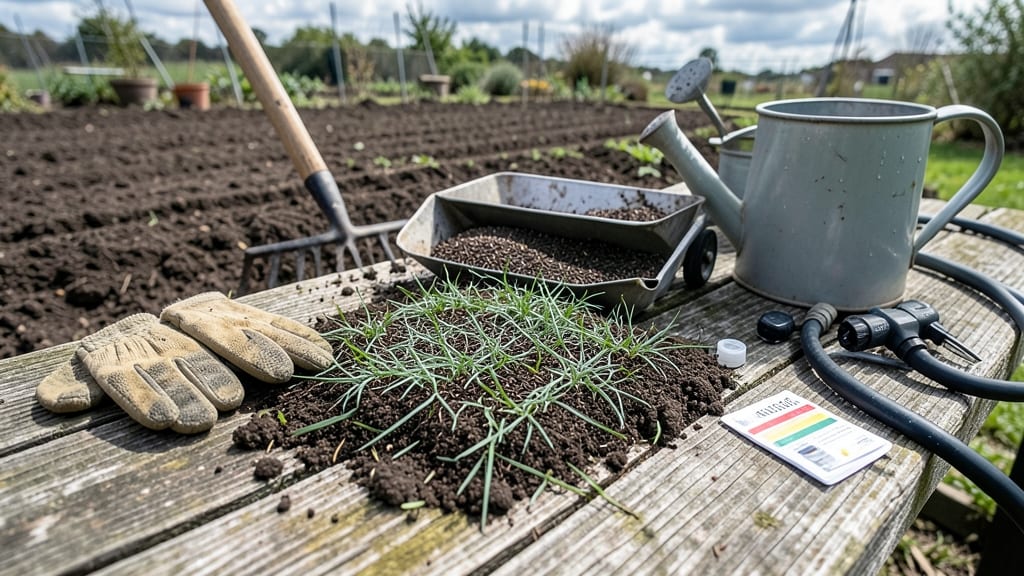
Planting grass seed in spring at the right time means the difference between a thick, vibrant lawn and one that struggles under summer heat.
Timing is everything—especially when summer arrives faster than you expect. Miss the window, and you risk patchy growth or seed failure before your lawn even takes root.
In Zone 6, like most of the U.S., the ideal window is 4-6 weeks before your last frost, typically between early March and mid-April. But soil temperature and local frost dates can shift that by weeks.
Below, I’ll break down the exact deadlines for your region, how to prep your soil, and the 3 critical steps to keep your new grass thriving once it’s planted.
Best spring planting windows by US hardiness Zones: avoid summer heat stress
Getting your grass seed in the ground at the right time is crucial—plant too early, and frost can kill tender sprouts. Plant too late, and summer heat will stress young seedlings before they establish roots.
Your USDA hardiness zone determines the perfect window, but even within zones, soil temperatures and local microclimates shift deadlines by weeks.
Cool-season grasses like fescue and ryegrass thrive when soil temps hover between 55-65°F, while warm-season varieties such as Bermuda and Zoysia need 70-75°F+ to germinate.
Missing these thresholds means poor germination or seed failure. Let’s break down the exact planting deadlines by zone to help you avoid summer heat stress.
In Zones 3-4, where winters are harsh, cool-season grasses like tall fescue should go in by mid-April to avoid summer drought stress. Meanwhile, warm-season Bermuda grass can handle the heat better, so you can plant it as late as early June—but only if your soil stays consistently warm.
For Zones 5-6, the sweet spot for cool-season grasses is late February to early April. If you wait until May, your seedlings will struggle to establish before summer’s intense heat and drought conditions set in.
Warm-season grasses like Zoysia can handle slightly later plantings, but aim for mid-April to give them a head start.
In Zones 7-8, where winters are milder, you can push your cool-season grass planting window to January or February. However, warm-season grasses like centipede grass still need to be in by mid-April to avoid heat stress.
The key is monitoring soil temperatures—never plant when the ground is still cold or when summer heat is already peaking.
Pro tip: If you’re in a transition zone (like Zone 7b), consider using a soil thermometer to track temperatures. Plant when the soil hits 60°F for warm-season grasses or 55°F for cool-season types. This small step can save you from seed failure or patchy lawns later.
Remember, local microclimates matter too. If you live near a large body of water or in a valley, your planting window might shift by 1-2 weeks.
Always check your last frost date and adjust accordingly. With the right timing, you’ll have a lush, green lawn before summer’s heat takes over.
🌱
5 Critical factors that determine your exact planting date (beyond Zones)
Your USDA zone gives you a starting point, but the exact planting date depends on five local factors that can shift your window by weeks. Even neighbors in the same zone may have different ideal dates due to these variables—soil temperature is the most critical.
Grass seeds need consistent warmth (55-65°F for cool-season grasses, 65-75°F for warm-season) to germinate properly. A soil thermometer is your best tool here, as surface temps can mislead you.
Next, rainfall patterns dictate whether you should plant before or after predicted downpours. Too much rain right after sowing can wash seeds away, while drought conditions require extra irrigation planning. Check your local 10-day forecast—aim for steady moisture without saturation.
In my Zone 6b garden, I once delayed planting by two weeks because a predicted 3-inch rainstorm was forecasted for the original date.
Don’t overlook local frost dates, which can vary 10-14 days even within the same zone. The last average frost date is your outer limit, but warm-season grasses (like Bermuda) need no frost risk for 4-6 weeks post-planting.
I use the National Weather Service’s frost calculator to pinpoint my exact cutoff—last year, it saved me from planting Kentucky bluegrass too early and losing half the seed to a late freeze.
- Soil Temperature: Cool-season grass needs 55-65°F; warm-season needs 65-75°F. Use a soil thermometer—surface temps lie!
- Rainfall Forecast: Avoid planting 24 hours before heavy rain. Check 10-day predictions for steady moisture.
- Frost Dates: Warm-season grass needs 4-6 frost-free weeks post-planting. Verify local frost records—they vary by 10+ days in a zone.
- Shade Exposure: Shady areas stay 5-10°F cooler than sunny spots. Adjust planting by 1-2 weeks later if your lawn has partial shade.
- Grass Type: Cool-season (e.g., fescue) plants 4-6 weeks before last frost; warm-season (e.g., Zoysia) plants after soil hits 65°F.
Shade exposure is another game-changer, as shady lawns stay 5-10°F cooler than sunny ones. If your yard has partial shade (e.g., near trees or buildings), delay planting by 1-2 weeks to match the cooler soil temps. I tested this last spring by planting tall fescue in both sunny and shady spots on the same day—the shady patch germinated 7 days later and struggled to catch up.
Finally, your grass type dictates the timing. Cool-season grasses (like Kentucky bluegrass or ryegrass) thrive when planted 4-6 weeks before the last frost, while warm-season grasses (like Bermuda or Zoysia) need to wait until soil hits 65°F and stays there.
Mixing these up? That’s a recipe for patchy, weak growth. For example, I planted Bermuda grass too early in Zone 7a last year, and it took 3 weeks longer to establish because the cool soil stunted root growth.
To nail your exact planting date, combine all five factors using a local planting guide or app like Gardenate. Start with your soil temperature, then adjust for rain, frost, shade, and grass type.
My Zone 6b lawn now thrives because I plant tall fescue in early April (soil at 58°F) and Bermuda grass in mid-May (soil at 70°F)—never guessing, always measuring. The result? Faster germination and stronger roots from day one. 🌱