
Plants
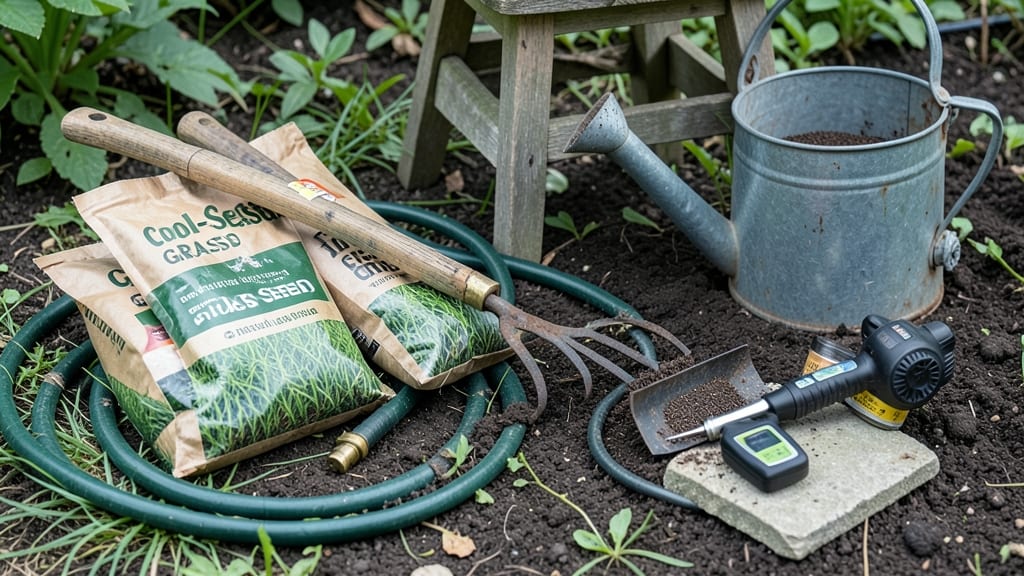
To plant grass seed in South Dakota, aim for early spring or early fall when soil temperatures hover between 40°F and 55°F—this window avoids both frost damage and summer heat stress.
Timing your grass seed planting in South Dakota can mean the difference between a lush, green lawn and weeks of bare soil—especially with the state’s unpredictable spring frost and fluctuating soil temperatures.
Cool-season grasses like Kentucky Bluegrass thrive when planted 4-6 weeks before the first frost, typically by mid-April, while warm-season varieties like Buffalo Grass prefer late spring or early summer.
Below, I’ll break down the exact frost-free window by USDA zone, soil prep tips for 4a-5b climates, and the best regional grass mixes to outlast South Dakota’s harsh winters.
South Dakota planting zones & frost-free dates for grass seed success
South Dakota’s diverse climate—from the humid eastern plains to the dry western highlands—means your grass seed timing depends heavily on your USDA zone and local frost patterns.
Most of the state falls within USDA Zones 4a-5b, but even small shifts in elevation or latitude can change your frost-free window by weeks.
For example, Sioux Falls (Zone 4b) has a later last frost than Rapid City (Zone 5a), which directly impacts when you should plant cool-season grasses like Kentucky Bluegrass or Tall Fescue.
To avoid frost damage or heat stress, aim to plant 4-6 weeks before your area’s average last frost date or 4-6 weeks after the average first frost in fall. This gives seeds time to germinate and establish roots before extreme temperatures arrive.
For instance, eastern South Dakota typically sees its last frost around April 20, while western regions like Mitchell can wait until May 5.
Here’s how to verify your exact frost dates using NOAA’s Climate Data portal:
- Visit NOAA’s Climate Data Online
- Search for your nearest city (e.g., "Brookings" or "Huron")
- Filter for “Last Spring Frost” and “First Fall Frost” averages
- Cross-check with 30-year climate normals for accuracy
Why does this matter? Planting too early risks seedling freeze-out, while planting too late invites weed competition and drought stress. For cool-season grasses (the best choice for SD), soil temperatures should stay above 40°F but below 75°F for optimal germination.
Warm-season grasses like Buffalo Grass need soil temps above 65°F, which usually arrives in late May or June.
| Region | USDA Zone | Avg. Last Frost | Avg. First Frost | Best Planting Window | Grass Recommendation |
|---|---|---|---|---|---|
| Eastern SD (Sioux Falls, Aberdeen) | 4a-4b | April 15–20 | October 10–15 | April 1–May 15 or Sept 1–Sept 30 | Kentucky Bluegrass, Fine Fescue |
| Central SD (Mitchell, Watertown) | 4b-5a | April 20–May 5 | October 5–10 | April 15–May 30 or Sept 1–Sept 25 | Tall Fescue, Perennial Ryegrass |
| Western SD (Rapid City, Pierre) | 5a-5b | May 5–10 | September 25–October 5 | May 1–June 15 or Sept 1–Sept 20 | Buffalo Grass, Blue Grama |
| Black Hills (Custer, Hill City) | 5b (higher elevations: 4b) | May 10–15 | September 20–25 | May 15–June 10 or Sept 1–Sept 15 | Fine Fescue, Creeping Red Fescue |
Pro tip: Use the “50°F soil rule” as a backup. Wait until your soil stays consistently above 50°F for at least a week before planting cool-season grasses. Check with a soil thermometer or dig down 2 inches—if it feels warm to the touch, it’s ready.
For warm-season grasses, wait until soil hits 65°F.
If you’re planting in fall, aim for September to give seeds time to germinate before winter dormancy. In spring, don’t rush—waiting until mid-April in eastern SD or early May in western areas ensures your grass seed won’t bake in hot, dry winds.
For drought-prone areas (like western SD), consider Buffalo Grass, which thrives with less water once established.
Local extension offices (e.g., South Dakota State University Extension) offer free soil tests and seed
Optimal soil temperature & moisture conditions for grass seed germination
Getting your grass seed germination right in South Dakota depends on two critical factors: soil temperature and moisture consistency. Cool-season grasses like Kentucky Bluegrass thrive when soil temps hover between 40°F–55°F, while warm-season varieties need 65°F+.
South Dakota’s USDA zones 4a–5b mean timing is everything—plant too early, and frost will kill sprouts; too late, and weeds take over.
For consistent moisture, aim to keep the top 1–2 inches of soil damp but not soggy. A simple soil thermometer ($10 at garden centers) lets you check temps daily.
If your soil feels cool to the touch, wait—grass seeds won’t germinate until conditions align with their needs. Overwatering can suffocate seeds, while underwatering leads to weak, patchy growth.
| Grass Type | Ideal Soil Temp (°F) | Moisture Needs | Germination Time | South Dakota Planting Window |
|---|---|---|---|---|
| Kentucky Bluegrass | 40°F–55°F | Consistently damp | 7–21 days | Early spring (April) or early fall (Sept) |
| Tall Fescue | 50°F–65°F | Moist but well-drained | 10–28 days | Late spring (May) or early fall (Sept) |
| Buffalo Grass | 65°F–80°F | Dry to slightly moist | 14–30 days | Late spring (May–June) |
To test if your soil is ready, dig a 4-inch hole and check the temperature with your thermometer. For cool-season grasses, wait until temps stabilize above 40°F for at least 5–7 days. Warm-season grasses need soil to stay above 65°F consistently.
Pro tip: Morning temps are usually 5–10°F cooler than afternoon readings—plant in the late afternoon for accuracy.
Moisture is just as critical. After planting, use a sprinkler with fine mist to avoid displacing seeds. Aim for ¼ inch of water daily until germination, then taper to 1 inch per week.
A moisture meter ($15) helps track soil dampness—ideal levels should read 40–60% moisture in the top 2 inches. South Dakota’s dry winds can dry soil quickly, so mulch lightly with straw to retain humidity.
If your soil feels too cold or too dry, don’t rush—waiting a week or two for ideal conditions beats struggling with poor germination.
For example, Rapid City’s USDA Zone 5b often sees 50°F soil temps by early April, perfect for Tall Fescue, while Sioux Falls’ Zone 4b may need to wait until late April for Kentucky Bluegrass. Always adjust for microclimates—shady spots stay cooler longer.
Once seeds sprout, reduce watering slightly to prevent fungal diseases like damping-off. Thin seedlings to 1–2 inches apart for stronger growth, and avoid walking on new grass until it’s 3–4 inches tall.
With the right soil temps and moisture balance, your South Dakota lawn will establish a dense root system in just 6–8 weeks—ready to handle the state’s harsh winters. 🌱