
Companion Plants
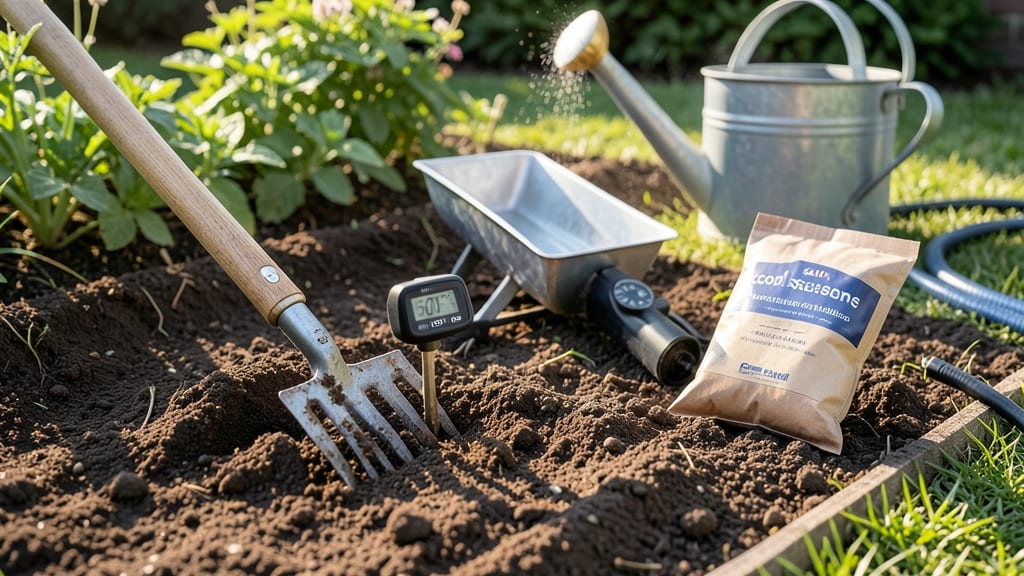
Planting grass seed in Minnesota at the right time means the difference between a lush lawn and a patchy, weed-infested mess.
Timing your grass seed planting in Minnesota is critical—get it wrong, and you’ll battle frost, weeds, or poor germination. But with the right frost-free window and soil temperatures, you can achieve a lawn that outlasts even Minnesota’s harshest winters.
Cool-season grasses like Kentucky bluegrass thrive when planted in early spring (mid-April to early May) or late summer (late August to early September), aligning with soil temps above 50°F and avoiding frost risks.
Below, I break down the ideal planting windows by Minnesota’s climate zones, soil prep tips, and how to choose the best grass seed for your region—so you can finally get that dream lawn you’ve been waiting for.
Minnesota grass planting zones: frost-free dates by region
Minnesota’s five distinct climate zones create wildly different grass seed planting windows. From the frigid North to the warmer Southeast, knowing your last frost date and frost-free period determines whether your new lawn thrives or fails.
Cool-season grasses like Kentucky bluegrass and fine fescue need precise timing—plant too early, and frost will kill seedlings; too late, and weeds take over.
Each region’s average frost dates shift by weeks, so I’ve broken down the ideal planting windows for spring and fall based on USDA Zone 3a-5b data. For example, Northern Minnesota (Zone 3a) has a shorter frost-free season (120 days) compared to Southern Minnesota (Zone 5b) with 150+ frost-free days.
This means your Northland neighbors should plant 2-3 weeks later than those in the Twin Cities metro.
Below is a comparison table of Minnesota’s grass planting zones, including last frost dates, first frost dates, and optimal planting windows for both spring and fall.
Use this as your planting calendar—mark these dates on your garden journal to avoid common mistakes like overseeding too early or missing the fall window.
For Northern Minnesota (Zone 3a), the fall planting window is short—just 3 weeks—so prioritize late August for cool-season grasses. In contrast, the Southwest (Zone 5b) offers a longer fall window (July 15–August 31), giving you flexibility to overseed warm-season grasses like tall fescue if needed.
Pro tip: Use the Minnesota State University Extension’s frost chart to track real-time updates, as microclimates (like urban heat islands) can shift frost dates by 5-7 days.
If you’re in Central Minnesota (Zone 4a-4b), aim for late April to early May in spring and early August to mid-September in fall. This 6-week window in spring is ideal because soil temperatures hit the 50°F+ threshold needed for germination.
For Southeast Minnesota (Zone 4b-5a), you can start as early as mid-April, but watch for late frosts—they’re common in May.
One common mistake is planting too early in
Soil temperature & moisture requirements for Minnesota grass seed
Minnesota’s cool-season grasses, like Kentucky bluegrass and fine fescue, demand precise soil conditions to thrive. The key is achieving a consistent soil temperature of at least 50°F (10°C)—this ensures seeds germinate quickly and roots establish before winter.
In my experience, waiting for this threshold prevents seed rot and weak growth.
Moisture is equally critical. Cool-season grasses need consistent moisture during germination, but soggy soil can suffocate seeds. Aim for 1 inch of water per week, either from rainfall or irrigation. I always check soil moisture by pressing my finger 1 inch deep—if it feels dry, it’s time to water.
Here’s the catch: Premature planting in cold soil leads to slow germination and frost damage. If you plant too early, seeds may sprout only to be killed by late spring frosts. Conversely, waiting too long risks summer heat stress before roots anchor.
⚠️ Warning: Planting Too Early or Late
❌ Planting in <50°F soil → Seeds rot or fail to sprout. ❌ Planting after July 15 → Seedlings struggle in summer heat before winterizing.
✅ Ideal window: Mid-April to early May (spring) or Late August to early September (fall), when soil temps are 50–70°F.
To prep your soil, I recommend testing pH levels (ideal range: 6.0–7.5 for most grasses). Amend with compost or lime if needed, then rake the surface to a fine texture. This helps seeds make direct contact with soil for faster germination.
After sowing, cover seeds with a thin layer (¼ inch) of soil or straw mulch. This protects them from drying out while keeping moisture levels steady. I’ve found that lightweight mulch also deters birds and wind from displacing seeds.
Monitor soil moisture closely for the first 2–3 weeks. Use a sprinkler with gentle settings or a soaker hose to avoid disturbing seeds. Once sprouts appear, reduce watering slightly but keep the soil evenly moist until grass reaches 3–4 inches tall.