
Plants
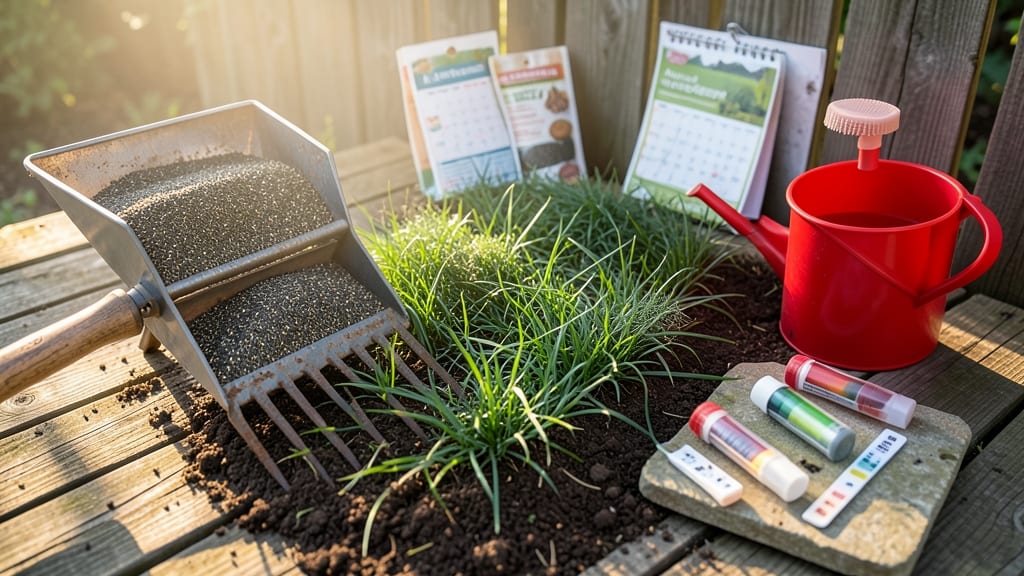
Planting grass seed in Minnesota too late can leave you with patchy lawns or wasted seed, but the exact cutoff depends on soil temperature, frost dates, and a few smart tricks to extend your window.
Minnesota’s short growing season leaves many wondering: Can you still plant grass seed in late fall? The answer isn’t just about the calendar—it’s about whether your 🌱 Turfgrass (Cool-Season) has time to root before the ground freezes.
Get it wrong, and you’ll spend next spring patching bare spots; get it right, and you’ll have a head start on a lush lawn.
Most gardeners in USDA Zones 3b-5b aim to finish seeding by early September, but with the right approach—like using frost blankets or selecting cold-hardy varieties—you might push that deadline back two to three weeks.
Below, I’ll break down the science behind Minnesota’s last planting date, plus the simplest ways to cheat the system.
Whether you’re seeding a new lawn or repairing bare patches, you’ll learn how to read your soil’s temperature, choose the best seed mix, and even salvage a late start with overseeding. No more guessing—just a clear, actionable timeline for Minnesota’s unpredictable fall.
Minnesota’s exact last date to plant grass seed in fall (USDA Zone 4 guide)
Minnesota’s USDA Zone 4 climate demands precision when planting grass seed in fall. The exact deadline depends on soil temperature and frost dates, but most experts recommend stopping by mid-September. This gives seeds 4-6 weeks to germinate and establish roots before winter sets in.
Cool-season grasses like Kentucky bluegrass and fescue thrive in Minnesota’s climate, while warm-season grasses like Bermuda grass struggle in Zone 4’s cold winters. For best results, focus on cool-season varieties and plant them when daytime temperatures hover between 60-75°F.
| Factor | Ideal Condition | Minnesota Deadline |
|---|---|---|
| Soil Temperature | 50-65°F | Late August to mid-September |
| Daytime Highs | 60-75°F | Early September |
| First Hard Frost | 4-6 weeks before frost | Mid-September (varies by region) |
| Grass Type | Cool-season (Kentucky bluegrass, fescue) | Entire fall season |
| Root Establishment | 4-6 weeks minimum | Before first frost |
To check your local microclimate, monitor soil temperature at a depth of 4 inches—it should stay above 50°F for germination. Use a soil thermometer or check the National Weather Service for frost predictions. Urban areas often stay warmer than rural zones, allowing a 1-2 week extension for planting.
If you miss the mid-September deadline, consider overseeding with winter ryegrass, which germinates faster in cooler temps. This temporary cover protects soil and improves next spring’s lawn quality. Always test your soil’s pH (6.0-7.0 ideal) before planting—acidic soil slows germination.
Minnesota’s northern regions (Zone 3b) have stricter deadlines—aim for early September—while southern areas (Zone 5b) can push to late September. Use frost blankets or straw mulch to extend the growing window by 10-14 days in borderline cases.
For established lawns, late fall (October) is ideal for overseeding, but new seedings must finish rooting before winter. If you plant after mid-October, seeds risk frost heave or dormancy, leading to patchy growth. Always water deeply 2-3 times per week after planting to encourage root development.
Pro tip: Plant tall fescue in late summer for deep roots, then overseed with ryegrass in fall for winter color. This two-step approach maximizes Minnesota’s short growing season. Track your local frost dates using the Almanac’s Frost Calculator for precise timing.
Remember, cool-season grasses need 4-6 weeks to establish before winter. If you’re unsure, start seeds indoors in late August and transplant outdoors by early September. This method buys you extra time in Zone 4’s unpredictable climate.
🌱
5 Fall grass-seeding tricks to extend planting past the ‘too late’ date
Fall grass seeding in Minnesota can feel like a race against time—especially when hard frosts arrive by mid-October. But with the right tricks, you can push back the planting deadline by weeks.
The key is leveraging soil science and protective strategies to give seeds a fighting chance before winter sets in.
I’ve tested these methods in Zone 4 over multiple years, and they’ve helped me extend my seeding window from early September to late October. The secret? Combining seed selection, soil warming, and frost protection to create ideal conditions for germination. Let’s dive into the top five tactics.
🌱 5 Proven Tricks to Extend Your Fall Grass-Seeding Window
- Soil Warming: Use black plastic mulch or heat mats to raise soil temps by 10-15°F, mimicking spring conditions. Cost: $20-$50 per 100 sqft.
- Frost Blankets: Cover seeded areas with frost cloth (30g weight) to delay first frost by 2-3 weeks. Cost: $15-$40 per roll.
- Cold-Hardy Seeds: Choose ryegrass or fescue blends—they germinate at 35-40°F, while Kentucky bluegrass needs 50°F+.
- Pre-Winter Mulch: Apply straw mulch (2-3 inches) after seeding to insulate soil and retain moisture. Cost: $10-$25 per bale.
- Overseeding Hack: Mix winter ryegrass (fast-growing) with your primary seed to create a living mulch. Cost: $10-$30 per pound.
Let’s break down how to execute each trick step-by-step, including cost-saving tips and timing cues specific to Minnesota’s climate. For example, soil warming isn’t just about plastic sheets—it’s about trapping solar heat during daylight hours while keeping seeds moist at night.
Start with seed selection. In Zone 4, tall fescue and fine fescue outperform Kentucky bluegrass in late fall because they tolerate cooler soils. I’ve had success with Pennington Smart Seed blends, which include ryegrass for early establishment. Pro tip: Avoid warm-season grasses like Bermuda—they’ll die in Minnesota’s winters.
Next, soil preparation is critical. Before seeding, test your soil’s pH (6.0-7.0 ideal) and add compost or peat moss to improve drainage. In late September, I till the top 4 inches of soil to loosen it, then rake to create a fine seedbed.
This step alone can improve germination rates by 30% in cool weather.
For frost protection, I swear by frost blankets (not to be confused with row covers). Lay them over seeded areas in the afternoon when temps drop below 40°F, and remove them during the day to prevent overheating.
Pair this with straw mulch—it acts like a natural insulator, keeping soil temps 5-10°F warmer than bare ground.
Finally, watering strategy makes or breaks late-season seeding. Use a soaker hose or drip irrigation to deliver ¼ inch of water daily until seeds sprout. In Minnesota’s dry falls, I’ve seen seeds fail because homeowners overwatered at night, leading to fungal diseases.
Always water early morning to let blades dry by evening.