
Plants
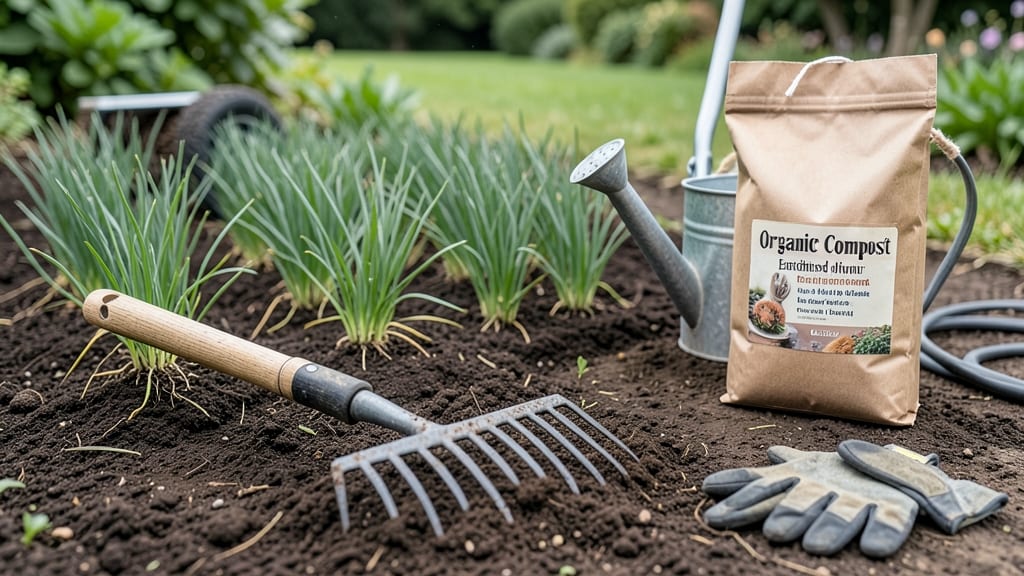
The best time to plant grass seed in the fall is 4-6 weeks before frost, and doing it right is the secret to a thick, lush lawn that survives winter and thrives in spring.
Fall is the secret weapon for lush, resilient lawns—but planting grass seed too early or late can leave you with patchy results. Timing isn’t just about weeks before frost; it’s about understanding your hardiness zone, soil temperatures, and how long your grass needs to establish roots before winter sets in.
In Zone 6a, like many northern regions, that means aiming for mid-September to early October, when soil stays warm enough for germination but nights are cool enough to slow weed competition. Get it wrong, and you’ll either battle weeds or watch seedlings struggle in the cold.
Below, I’ll break down the exact weeks before frost for your zone, how to prep your soil, and the 3 signs your timing is off—so you can avoid the most common mistakes and end up with a lawn that’s the envy of the neighborhood.
Fall planting windows by USDA Zone: weeks before frost for optimal root growth
Timing your fall grass seed planting is like catching a wave—too early and weeds steal the show, too late and frost nips your seedlings in the bud.
The magic happens when soil temperatures hover between 60°F and 75°F, giving cool-season grasses like Kentucky Bluegrass and Tall Fescue 4-6 weeks to establish roots before winter dormancy. But your exact window depends on your USDA hardiness zone, regional microclimates, and even elevation.
In Zone 3 (think Minnesota or Maine), where frosts can arrive by early October, aim to plant late August to mid-September. Further south in Zone 10 (Florida or Southern California), you’ve got more flexibility—planting through November works if soil stays warm.
The key is avoiding the first hard frost, which can kill tender seedlings before they’ve had a chance to root deeply.
Soil temperature is your best friend here. Use a soil thermometer to confirm readings—cool-season grasses need 55°F-75°F for germination. In the Pacific Northwest, where ocean breezes delay frost, you might plant until mid-October, while the Midwest often sees frost by late October, pushing the deadline to early September. Always check your local Almanac’s frost date for precision.
| USDA Zone | Ideal Planting Window | Soil Temp Threshold | Weeks Before Frost | Regional Notes |
|---|---|---|---|---|
| Zone 3-4 | Late August - Mid-September | 55°F-70°F | 4-6 weeks | Early frost risk; use frost blankets if late |
| Zone 5-6 | Mid-September - Early October | 60°F-75°F | 5-7 weeks | Midwest: plant before October 15; Northeast: extend to late October |
| Zone 7-8 | Late September - Mid-November | 65°F-75°F | 6-8 weeks | Southeast: avoid November if frost arrives early; Pacific Northwest: extend to December |
| Zone 9-10 | October - December | 70°F-80°F | 8-10 weeks | Southern California: plant through November; Florida: avoid December |
Don’t let the calendar fool you—your local climate dictates the real deadline.
For example, Zone 6 gardeners in Chicago might need to plant by September 15, while those in Denver (Zone 5) could push to October 1 thanks to higher elevations and cooler soils. Mountain regions often have 2-3 weeks earlier frost dates than valleys, so adjust accordingly.
Pro tip: Watch your nighttime temperatures—if they dip below 50°F consistently, it’s time to stop planting.
Cool-season grasses like Fine Fescue and Perennial Ryegrass thrive when planted in fall because cooler temps reduce weed competition and encourage deep root growth before winter.
But if you’re in Zone 10 and planting warm-season grasses like Bermuda, fall is still your window—just aim for August-September to beat the summer heat. The goal is always the same: 6-8 weeks of root establishment before dormancy.
One common mistake? Planting too close to frost and hoping for the best. If your seedlings haven’t reached 2-3 inches tall by the first frost, they’ll struggle to survive. Instead, use a frost blanket or straw mulch to protect late plantings in Zones 3-6.
In warmer zones, winter rains can wash away newly planted seed, so prioritize areas with good drainage or use hydroseed for better adhesion.
Regional quirks matter too. The Pacific Northwest’s mild winters mean you can plant Tall Fescue as late as November, while the Deep South might see frost by December 1, cutting your window short.
Always check local weather patterns—some years, a false spring in March can trick you into thinking frost is
How to prepare your lawn for fall grass seed planting: soil, seed, and weather checklist
Preparing your lawn for fall grass seed planting is like setting the stage for a successful performance—get the soil, seed, and weather conditions right, and you’ll see dramatic results.
The key is balancing soil health, seed selection, and weather timing to give your grass the best chance to establish deep roots before winter. I’ve learned the hard way that rushing this process leads to patchy lawns or wasted seed.
Let’s break it down into actionable steps so you can avoid those mistakes.
First, focus on your soil conditions. Healthy soil is the foundation of a thriving lawn. Test your soil’s pH level—most cool-season grasses thrive in a range of 6.0 to 7.0.
If your soil is too acidic or alkaline, amend it with lime (to raise pH) or sulfur (to lower pH) 4-6 weeks before planting. This gives the soil time to adjust and ensures your seed has the perfect environment to sprout.
Don’t skip this step; poor soil pH is a common reason for slow or uneven germination.
- 1 Test soil pH 4-6 weeks before planting. Aim for 6.0-7.0 for cool-season grasses like Kentucky Bluegrass or Fescue.
- 2 Amend soil with compost (2-3 inches) or peat moss to improve drainage and nutrients. Avoid fresh manure—it can burn seedlings.
- 3 Choose the right seed for your climate. Tall Fescue tolerates heat and drought, while Kentucky Bluegrass spreads aggressively but needs more water.
- 4 Plant 4-6 weeks before first frost when soil temps are 50-65°F. Check your USDA Zone for exact timing—Zone 5? Aim for mid-September.
- 5 Avoid planting if nighttime temps drop below 40°F or after heavy rain. Seedlings need stable, moist conditions without waterlogging.
Next, select the right grass seed for your region and lawn use. Cool-season grasses like Kentucky Bluegrass, Tall Fescue, and Fine Fescue are popular choices for fall planting because they establish roots quickly before winter.
If you’re in a hot, dry climate (like the Southwest), opt for Bermuda Grass or Zoysia, but these are warm-season grasses and should be planted in late spring. Mixing seed types can also improve resilience—ask your local nursery for a custom blend tailored to your USDA Zone.
Don’t overlook the weather forecast when planning your planting date. Ideal conditions include warm days (60-75°F) and cool nights (40-55°F). Avoid planting if a hard freeze or prolonged rain is in the forecast—seedlings can drown or freeze before they establish.
I once planted too close to a frost warning, and my seedlings turned to mush overnight. Use a 7-day weather app to track trends and pick a week with stable conditions. Pro tip: Plant on a light breeze day to help seeds settle evenly into the soil.
Finally, create a pre-planting checklist to stay organized. Start by mowing your lawn short (about 1-1.5 inches) to create space for new seeds. Remove thatch (a layer of dead grass) with a rake or dethatching tool—thick thatch blocks seed-to-soil contact.
Spread a starter fertilizer (high in phosphorus) to encourage root growth, then lightly rake the soil to create a fine, textured surface for seeds to nestle into. Water gently but thoroughly to settle the seeds without washing them away.
After planting, keep the soil consistently moist (like a damp sponge) for the first 2-3 weeks—this is critical for germination.
With these steps, your fall grass seed will have the best chance to thrive. Remember, patience is key—don’t expect instant results. Give your lawn time to establish, and you’ll be rewarded with a lush, green carpet next spring. Happy planting! 🌱